Senator Archibald Dixon
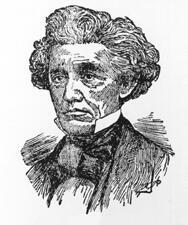
Here you will find contact information for Senator Archibald Dixon, including email address, phone number, and mailing address.
| Name | Archibald Dixon |
| Position | Senator |
| State | Kentucky |
| Party | Whig |
| Status | Former Representative |
| Term Start | January 1, 1852 |
| Term End | March 3, 1855 |
| Terms Served | 1 |
| Born | April 2, 1802 |
| Gender | Male |
| Bioguide ID | D000367 |
About Senator Archibald Dixon
Archibald Dixon served as a Senator from Kentucky in the United States Congress from 1851 to 1855. A member of the Whig Party, Archibald Dixon contributed to the legislative process during 1 term in office.
Archibald Dixon’s service in Congress occurred during a significant period in American history. As a member of the Senate, Archibald Dixon participated in the democratic process and represented the interests of constituents.
Archibald Dixon (April 2, 1802 – April 23, 1876) was a U.S. Senator from Kentucky. He represented the Whig Party in both houses of the Kentucky General Assembly, and was elected the 13th lieutenant governor of Kentucky in 1844, serving under Governor William Owsley. In 1851, the Whigs nominated him for governor, but he lost to Lazarus W. Powell, his former law partner. Dixon represented Henderson County at the Kentucky constitutional convention of 1849. In this capacity, he ensured that strong protections of slave property were included in the Kentucky Constitution of 1850. Later, the General Assembly chose Dixon to fill the unexpired Senate term of Henry Clay. He served from September 1, 1852, to March 3, 1855, and did not stand for re-election. During his short tenure, Dixon’s major accomplishment was convincing Stephen Douglas to include language in the Kansas–Nebraska Act that explicitly repealed the Missouri Compromise’s prohibition on slavery north of latitude 36°30’. Despite his pro-slavery views, Dixon was loyal to the Union during the Civil War. He represented his county and his state in a number of failed conventions that sought to resolve the upcoming conflict before it began. In 1864, he joined Kentucky governor Thomas E. Bramlette in an audience with President Abraham Lincoln protesting the recruitment of former slaves as Union soldiers in Kentucky. Dixon died on April 23, 1876.