Senator Arnold Naudain
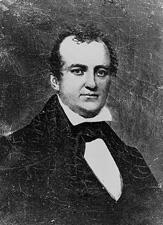
Here you will find contact information for Senator Arnold Naudain, including email address, phone number, and mailing address.
| Name | Arnold Naudain |
| Position | Senator |
| State | Delaware |
| Party | Unknown |
| Status | Former Representative |
| Term Start | January 1, 1830 |
| Term End | March 3, 1837 |
| Terms Served | 2 |
| Born | January 6, 1790 |
| Gender | Male |
| Bioguide ID | N000010 |
About Senator Arnold Naudain
Arnold Snow Naudain (January 6, 1790 – January 4, 1872) was an American physician and politician from Odessa in New Castle County, Delaware, who served as a United States Senator from Delaware from 1829 to 1837. A veteran of the War of 1812 and a member of the Whig Party, he was active in state and national politics during a significant period in American history, contributing to the legislative process over two terms in the Senate and serving earlier in the Delaware General Assembly.
Naudain was born on January 6, 1790, in Delaware, in what would later be associated with the community of Odessa in New Castle County. He came from a family of French Huguenot descent that had settled in the Mid-Atlantic region, and he grew up in a state that was still in the early decades of the American republic. His early life in Delaware exposed him to the agricultural and commercial interests that would later shape his political outlook and his understanding of the needs of his constituents.
Naudain pursued a formal education that prepared him for a professional career in medicine. After receiving his early schooling in Delaware, he studied medicine and qualified as a physician, entering practice in his home region. His medical training and subsequent work as a physician established him as a respected figure in his community. This professional standing, combined with his family background and local connections, provided a foundation for his later entry into public life.
During the War of 1812, Naudain served as a veteran in defense of the United States, an experience that deepened his engagement with national affairs. His wartime service occurred at a time when Delaware and other coastal states were directly affected by British naval activity. This period helped shape his sense of public duty and contributed to his reputation as a citizen-soldier, which would later support his transition into political office.
Following the war, Naudain entered politics in Delaware and became a member of the Delaware General Assembly. As a legislator, he represented the interests of his constituents at the state level, participating in debates over economic development, internal improvements, and the evolving party system of the early nineteenth century. Aligning himself with the emerging Whig Party, he supported policies that emphasized legislative authority, economic modernization, and a cautious approach to executive power, reflecting the broader Whig platform of the era.
Naudain’s state-level service led to his election to the United States Senate as a Senator from Delaware, where he served from 1829 to 1837. His tenure in the Senate coincided with the presidency of Andrew Jackson and the rise of the second party system, a period marked by intense national debates over the Bank of the United States, tariffs, internal improvements, and the balance of power between the federal government and the states. As a member of the Whig Party, Naudain participated in the democratic process and represented the interests of Delaware’s citizens in these controversies, contributing to the legislative work of the Senate over two terms in office. His service placed him among the principal national lawmakers during a transformative era in American political life.
After leaving the Senate in 1837, Naudain returned to private life in Delaware, resuming his medical and civic activities while remaining a figure of public respect. He continued to be identified with the Whig Party and with the professional and political class that had guided Delaware through the early and middle decades of the nineteenth century. Arnold Snow Naudain died on January 4, 1872, just two days short of his eighty-second birthday. He was remembered in Delaware as both a physician and a statesman, a veteran of the War of 1812, and a former member of the Delaware General Assembly and the United States Senate who had represented his state during a critical period in the nation’s development.