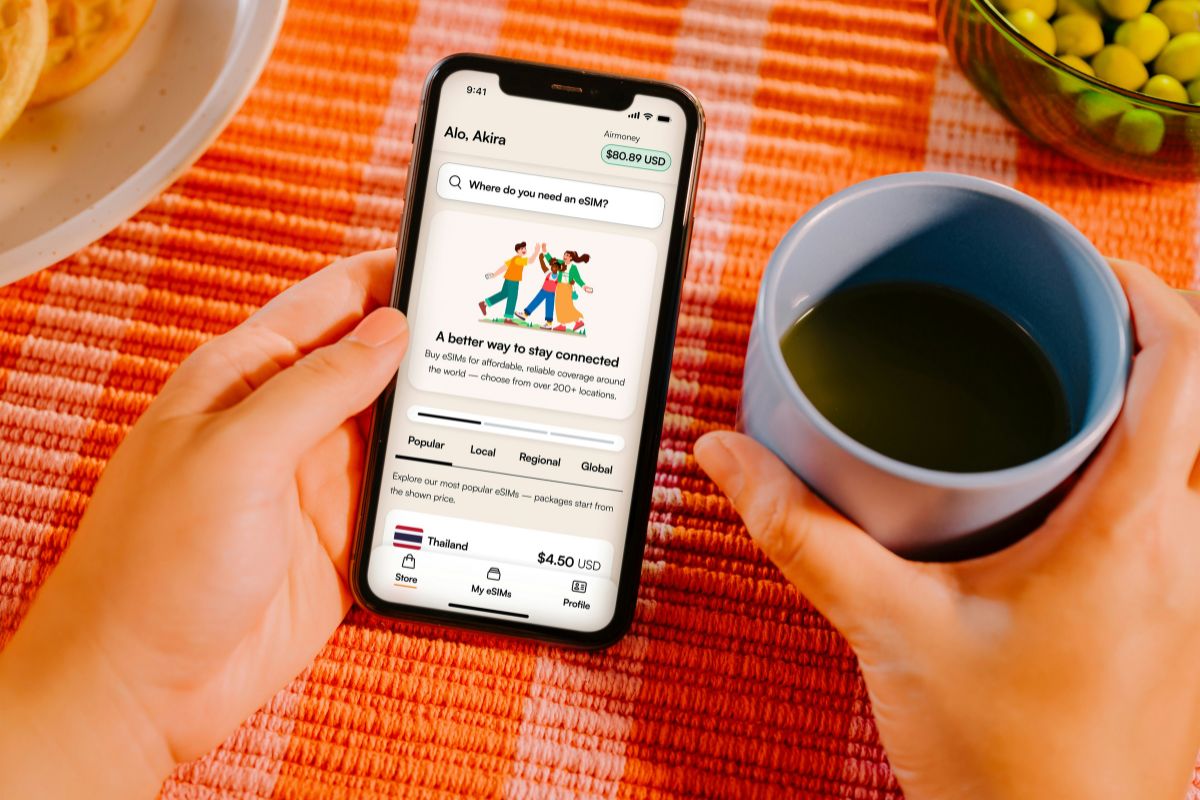

On This Page
Many smartphone users are becoming more interested in digital SIM technology and often ask are eSIMs safe compared with traditional physical SIM cards. Because eSIMs are embedded directly into the device hardware, they cannot be easily removed, lost, or swapped without authorization. This design can improve security and reduce the risk of SIM-swap fraud in some situations.
1. Common Question: Are eSIMs Safe?
Yes, eSIMs are generally considered safe and secure. Unlike traditional SIM cards that can be physically removed or swapped, an eSIM is embedded directly into the device hardware, which makes it harder to tamper with or steal. Mobile carriers also use encrypted provisioning systems to securely download and activate eSIM profiles on a device.
In addition, modern smartphones protect eSIM data with built-in security features such as device encryption, biometric authentication, and secure operating system controls, helping ensure that your mobile connection and personal information remain protected.
2. How eSIM Security Works?
To better understand are eSIMs safe, let’s look at their mechanism.
eSIM technology was designed with several security layers to protect users’ mobile connections and personal data. Understanding these protections can help answer the common question many users ask: are eSIMs safe compared to traditional physical SIM cards?
- **Embedded hardware protection: **An eSIM is built directly into the smartphone’s motherboard instead of being a removable card. Because it cannot be physically removed or swapped easily, it reduces risks such as SIM theft or unauthorized SIM replacement.
- **Encrypted carrier provisioning: **When a carrier activates an eSIM, the profile is downloaded through a secure and encrypted provisioning system. This process ensures that only authorized carriers can install a mobile plan on the device.
- **Secure device authentication: **Most smartphones require user authentication before changes can be made to cellular settings. Features such as PIN codes, fingerprints, or facial recognition help prevent unauthorized users from modifying eSIM profiles.
- **Carrier account verification: **Mobile carriers usually require identity verification before transferring or activating an eSIM profile. This additional step helps protect users from unauthorized account changes or SIM-swap attempts.
- **Device-level security features: **Modern smartphones use system-level protections such as encrypted storage and secure operating systems. These protections help ensure that sensitive data, including your eSIM profile and network credentials, remains protected.
Once knowing are eSIMs safe or not, through providers of the Lifeline Program, you may apply for a free phone and eSIM. (Image by Unsplash)
3. eSIM vs Physical SIM: Which Is Safer?
As more smartphones adopt digital SIM technology, many users naturally compare it with traditional removable SIM cards. If you’re wondering are eSIMs safe, looking at the key differences between eSIM and physical SIM security can help clarify how each technology protects your mobile connection.
| Security Factor | eSIM | Physical SIM |
|---|---|---|
| Physical Access | Embedded inside the device and cannot be easily removed. | Removable card that can be taken out or swapped between devices. |
| Risk of SIM Theft | Lower risk because the chip is soldered into the phone hardware. | Higher risk if the SIM card is removed or stolen from the device. |
| Activation Method | Activated digitally through encrypted carrier provisioning. | Activated by inserting a physical SIM card provided by the carrier. |
| Carrier Switching | Users can switch carriers digitally without replacing hardware. | Requires obtaining and inserting a new SIM card. |
| Device Protection | Often protected by device-level security like biometrics and encryption. | Security mainly depends on the device rather than the SIM itself. |
| Convenience | Easier to manage multiple profiles on one device. | Limited to one physical SIM per slot unless using dual-SIM hardware. |
4. A Secure Smartphone Setup Matters as Much as the SIM Technology
Although the use of eSIM technology is convenient and eliminates the risks of SIM card use, the security of the connection is still up to the smartphone used. Smartphones play an important part in the security of your cellular connection, as well as your personal information and eSIM.
For users who want a secure and reliable mobile experience, having an updated smartphone with strong built-in protections can make a significant difference. However, the cost of a new device and mobile service can be a barrier for some households. In the United States, the Lifeline program helps address this issue by providing discounted or free telecommunications services to eligible low-income consumers.
This federal assistance program allows qualifying households to receive reduced-cost phone service or internet service so they can stay connected for work, education, healthcare, and emergency communication.
The application process typically involves verifying eligibility based on income or participation in government assistance programs like SNAP, Medicaid, SSI, or Federal Public Housing Assistance. Once approved, users can receive their device and activation instructions, helping them stay connected with a secure and reliable mobile setup.
5. Final Words
As digital connectivity continues to evolve, many users naturally ask are eSIMs safe before switching from a traditional SIM card. In most cases, the answer relates to how eSIM technology is built directly into the smartphone’s hardware rather than existing as a removable plastic card. Because the chip is embedded in the device, the risks of losing a SIM card, damaging it, or having it physically swapped without permission are significantly reduced.