
On This Page
Buying a smartphone today is no longer as simple as walking into a carrier store and signing a two-year contract. More consumers are now searching for the best SIM free phones because they want flexibility, lower monthly costs, and more control over how they use their devices.
In this guide, let’s see what makes the best SIM free phones worth considering, how to choose the right device for your lifestyle, and why some buyers may actually benefit more from affordable carrier-supported alternatives instead.
1. What Makes the “Best” SIM Free Phones Today?
The definition of the best SIM free phones has changed dramatically in recent years. Consumers no longer judge smartphones based only on brand reputation or price. Instead, buyers now focus on flexibility, long-term value, software support, and overall ownership costs.
A great smartphone today should balance performance, battery life, camera quality, storage, and network compatibility. However, one of the biggest advantages of the best SIM-free phones is the freedom they offer.
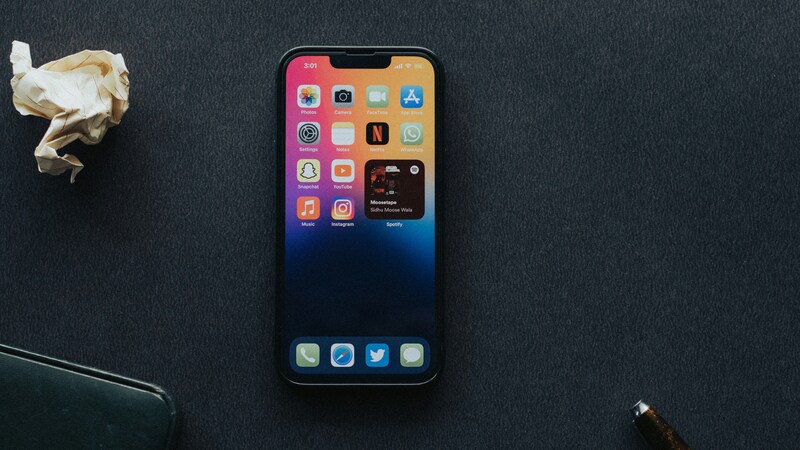
What makes the best SIM free phones (Image by Unsplash)
Unlike carrier-locked devices, unlocked phones allow users to choose their preferred wireless provider instead of being restricted to one network. This flexibility has become increasingly important as prepaid plans and eSIM technology continue growing worldwide.
Many users searching for the best SIM free phones also want better financial control. Instead of paying hidden fees through monthly financing agreements, they prefer to purchase a phone separately and choose a lower-cost service plan.
Another important factor is longevity. The SIM-free phones typically receive longer software support and security updates, helping users keep their devices for several years without performance issues.
Consumers should also remember that “best” does not always mean “most expensive.” For some users, the best SIM-free phones are affordable mid-range devices that handle everyday tasks efficiently without unnecessary premium features.
2. SIM Free vs Locked Phones: Why More People Are Switching
The increasing demand for the best SIM-free phones reflects a broader shift in consumer behavior. People want more freedom, fewer restrictions, and clearer control over mobile expenses.
Freedom to choose any carrier
Traditional locked phones are usually tied to one wireless network for a certain period of time. In contrast, many unlocked devices allow users to switch between compatible carriers based on pricing, coverage, or travel needs.
This flexibility is especially useful for travelers, freelancers, remote workers, and users who regularly compare wireless plans to reduce monthly costs.
Many SIM-free mobile phones also support eSIM activation, making it easier than ever to switch providers digitally without replacing a physical SIM card.
As competition among carriers increases, consumers appreciate the ability to move freely rather than remain tied to expensive long-term agreements.
Avoiding contracts and hidden fees
Carrier financing agreements sometimes appear affordable at first, but monthly bills often include activation fees, upgrade costs, insurance add-ons, and financing charges that increase the total cost significantly over time.
With the SIM-free phones, consumers usually pay for the device separately and then choose the service plan that best matches their needs. This approach allows users to compare pricing more easily and avoid unexpected costs hidden inside complicated contracts.
For budget-conscious consumers, this flexibility can create meaningful long-term savings.
Long-term cost comparison
At first glance, buying a SIM-free phone outright may seem more expensive than carrier installment plans. However, many consumers eventually realize that financing agreements can cost more overall after several years of monthly payments.
Unlocked devices also allow users to switch to lower-cost prepaid providers whenever needed, helping reduce recurring expenses even further.
3. How to Choose the Best SIM Free Phone for You
Not every smartphone works for every type of user. Choosing among the best SIM free phones requires understanding your priorities instead of simply buying the newest or most expensive model available.
Check network compatibility (very important)
One of the biggest mistakes consumers make when shopping for the best SIM free phones is assuming every device works perfectly on every network.
In reality, smartphones support different wireless bands and technologies. A phone designed for international markets may not fully support all U.S. carrier frequencies.
Before purchasing one of the best SIM-free phones, buyers should always verify compatibility with their preferred wireless provider. This is especially important when buying refurbished or imported devices online.
Match your usage (gaming, work, travel)
A traveler may prioritize dual SIM support and international compatibility. A gamer might focus on processor speed and cooling performance. Business users may care more about battery life, productivity features, and software reliability.
Consumers should think carefully about how they use their devices each day before spending extra money on premium features they may never use.
For many users, mid-range phones now provide an excellent balance between affordability and performance.
Battery life, storage, and updates
Storage capacity also matters more as apps, photos, and videos continue growing larger every year. Buyers planning to keep a device long term should consider future storage needs carefully.
Software updates are equally important. The best SIM-free phones generally receive regular security patches and operating system updates that improve device longevity and protection against security risks.
Choosing a phone with strong long-term software support often provides better value than focusing only on hardware specifications.
4. A Recommended Alternative: Do You Even Need to Buy a Phone?
When people search for the best SIM-free phones, they are often focused on flexibility and saving money. But there is another question worth asking first: Do you actually need to spend hundreds of dollars on a new phone at all?
For many eligible consumers, the answer may be no.
This can make a major difference for people balancing tight budgets, especially households already managing rising living expenses, transportation costs, or internet bills. Instead of committing to a costly flagship device, some users simply need a reliable smartphone that handles everyday tasks smoothly.
5. FAQs About Best SIM Free Phones
Are SIM free mobile phones better than locked phones?
It depends on your priorities. SIM free mobile phones provide greater flexibility and carrier freedom, while locked phones may offer lower upfront costs through financing programs or affordable wireless providers.
Can I use any SIM card with these phones?
Most of the best SIM free phones support multiple compatible carriers, but compatibility still depends on network bands and regional support. Buyers should always confirm compatibility before purchasing.
Are cheaper SIM free phones worth it?
Yes, many affordable devices now offer excellent performance for everyday use. Some of the best SIM free phones today are mid-range models that balance battery life, storage, and reliability without premium pricing.
Final Verdict: Best SIM Free Phones vs Best Value
The growing popularity of the best SIM free phones shows how much consumer priorities have changed. Buyers increasingly value flexibility, transparency, and control over their wireless experience instead of being tied to restrictive carrier agreements.
Ultimately, the best choice depends on what matters most to you: maximum freedom or maximum savings.