

On This Page
Flexible work schedules often raise the question of whether part-time employees can get health insurance. While many part-time roles do not include employer-sponsored coverage, eligibility can still come from other sources, such as Medicaid or ACA Marketplace plans, depending on income and household size.
1. Can Part Time Employees Get Health Insurance?
Can part time employees get health insurance? Yes, part-time employees can get health insurance, but access to coverage is not always guaranteed through an employer. This helps answer the question can part time employees get health insurance, as eligibility often depends on company policy rather than federal requirements.
Under the Affordable Care Act, businesses are generally only required to provide health insurance to full-time employees, usually those working 30 hours or more per week.
Even without employer-sponsored coverage, part-time workers still have practical alternatives. Some companies choose to offer benefits to part-time staff, but many individuals turn to options like Medicaid or ACA Marketplace plans.
These programs focus on income and household size instead of work hours, making them accessible solutions for maintaining consistent health coverage.
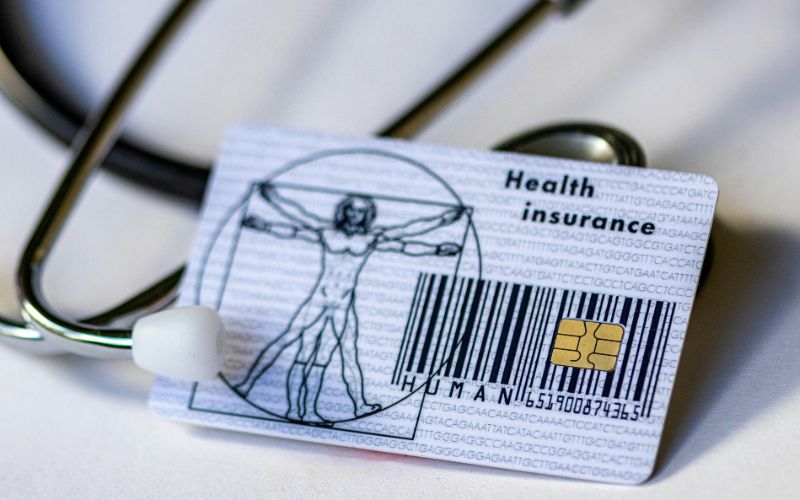
Some health insurance options for part-time employees. (Image by Unsplash)
2. Health Insurance Options for Part-Time Employees
If you’ve already looked into can part time employees get health insurance, you’ll know that coverage often comes from options outside traditional employer plans. When employer coverage is unavailable, part-time workers may need other health insurance options to stay covered.
Employer-Sponsored Insurance (If Offered)
Some part-time employees may still access health insurance through their employer, although this benefit is not guaranteed.
Under federal law, companies are generally only required to offer coverage to full-time staff working around 30 hours per week. However, some employers voluntarily extend benefits to part-time workers to attract and retain talent.
Eligibility depends on company-specific rules, including hours worked, role, or length of employment. Not all part-time workers qualify, even when benefits exist. Reviewing employer policies carefully helps avoid assumptions and ensures you understand whether this option is available in your situation.
ACA Marketplace Plans
ACA Marketplace plans are one of the most reliable alternatives for part-time employees without employer coverage.
These plans are available through ACA and allow you to compare options based on your healthcare needs and budget. Eligibility for financial assistance depends on income and household size, not job status.
Since ACA rules mainly require coverage for employees working 30+ hours per week, many part-time workers fall outside employer plans. Marketplace coverage fills this gap by offering essential benefits and potential subsidies.
Medicaid (Best Low-Cost Option)
Medicaid is often the most affordable option for part-time employees with limited income. Eligibility is based on income thresholds and household size rather than employment type. This makes it especially useful for those who do not receive employer-sponsored insurance.
Coverage typically includes essential services such as doctor visits, hospital care, and preventive treatments at low or no cost. For individuals managing tight budgets, Medicaid provides a stable and reliable safety net while ensuring access to necessary healthcare services.
Short-Term Health Insurance
Short-term health insurance can serve as a temporary solution for part-time workers who need immediate coverage. These plans are designed to fill gaps, such as waiting for new coverage to begin or transitioning between jobs. They are usually more affordable and quicker to enroll in than traditional plans.
However, these plans often come with limitations. They may not cover pre-existing conditions, preventive care, or certain essential services. Because of these restrictions, short-term insurance is best used as a temporary option rather than a long-term healthcare solution.
3. How to Qualify for Medicaid as a Part-Time Worker
Qualifying for Medicaid as a part-time worker often depends more on your income and where you live than on how many hours you work. Federal guidelines set the foundation, but states apply their own rules, which can affect eligibility in different ways.
Income-Based Eligibility
Medicaid eligibility is primarily determined by income, making it a practical option for part-time workers with limited or fluctuating earnings. Most states use the Modified Adjusted Gross Income (MAGI) system to evaluate applicants, which standardizes how income is calculated across households.
In states that expanded Medicaid, individuals typically qualify if their income falls at or below about 138% of the federal poverty level. Because this threshold is tied to income rather than job type, many part-time employees meet the requirements even without employer-sponsored insurance.
State Rules
Medicaid programs are administered at the state level, so eligibility rules can differ depending on where you live. While all states follow federal standards, they have flexibility in setting income limits, defining covered groups, and applying additional criteria.
Some states have expanded Medicaid to include more low-income adults, while others maintain stricter requirements. Additional factors such as age, disability status, or household composition may also influence eligibility.
Reviewing your state’s specific guidelines is essential for accurate planning, as it ensures you understand both the opportunities and limitations before applying for coverage.
4. Why Staying Connected Matters for Part-Time Workers
Balancing part-time work often means managing multiple responsibilities, making reliable technology essential for staying organized and informed. From scheduling shifts to accessing healthcare updates, having consistent connectivity can directly impact both productivity and well-being.
- Unlimited talk and text for everyday communication
- Data (up to around 16GB, depending on state)
- Free international calling to 200+ countries
- Wi-Fi calling and essential features like voicemail, caller ID, and call waiting
- Nationwide coverage with access to a reliable network
- 911 emergency access and always-on connectivity features
5. Final Words
If you already understand can part time employees get health insurance, you’ll know that options can vary depending on the employer and available programs. Finding stable health coverage while working part-time can feel uncertain, especially when employer benefits are limited or unavailable.