
On This Page
A Medicare card may look simple, but it contains some of the most important healthcare information a beneficiary carries.
Because the card is frequently stored inside wallets, purses, and medical folders, many people eventually wonder whether protecting it with lamination is a good idea. At the same time, concerns about Medicare scams, damaged cards, and identity protection have made card safety more important than ever for older adults managing healthcare appointments and insurance paperwork.
That is one reason questions like can you laminate your Medicare card continue to appear frequently among Medicare beneficiaries trying to keep their information protected without causing future problems.
1. Can You Laminate Your Medicare Insurance Card?
Technically, Medicare does not completely prohibit lamination in every situation. However, many experts still recommend avoiding permanent lamination when possible.
While the card may seem simple, concerns surrounding can you laminate your Medicare insurance card often involve long-term readability, replacement access, and protection against everyday damage.
The concern is that lamination may sometimes:
- Make future updates harder
- Affect card scanning readability
- Create issues if replacement information changes
- Prevent easy modification or copying when needed

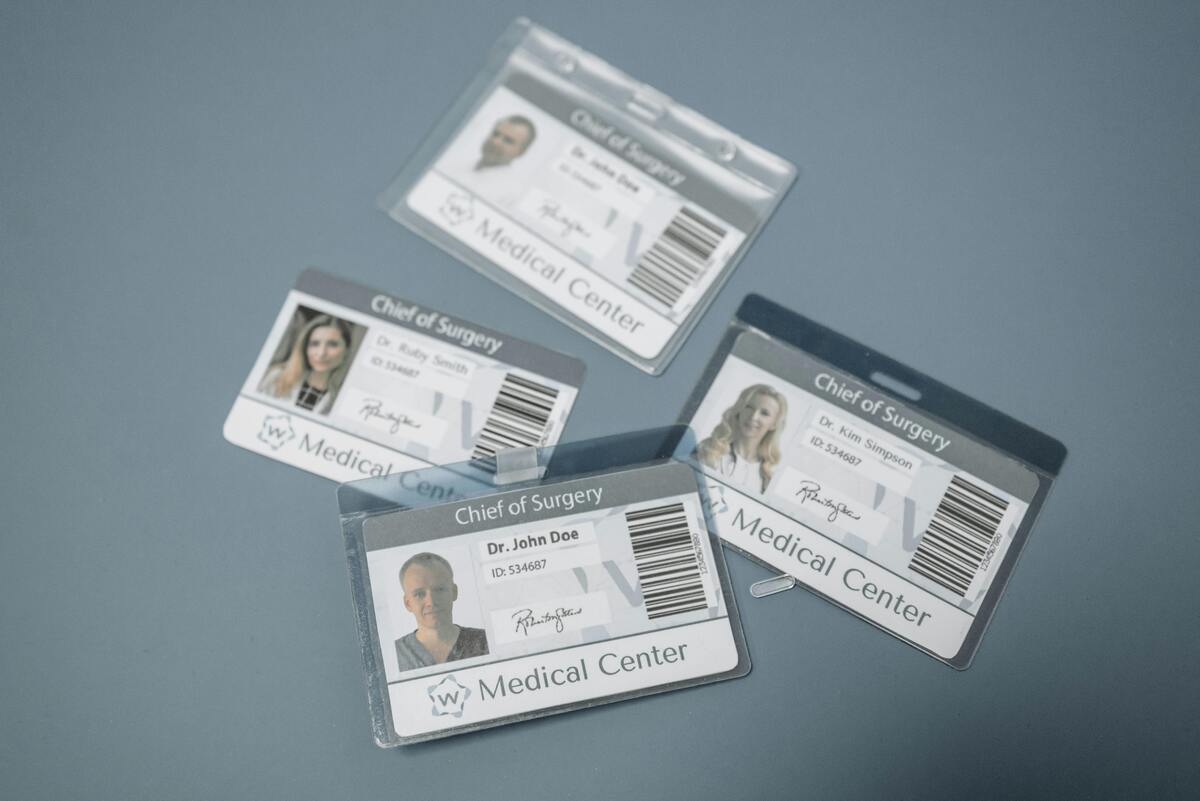
Many Medicare beneficiaries wonder whether card lamination is safe. (Image by Pexels)
According to Medicare, beneficiaries should protect their Medicare Number carefully because the card contains sensitive personal healthcare information.
Instead of permanent lamination, some users prefer removable plastic sleeves or protective card holders that reduce wear without permanently sealing the card itself.
For beneficiaries asking “can you laminate your Medicare card**”**, preserving flexibility and readability may be safer than fully laminating the card permanently.
2. What Happens if You Laminate Your Medicare ID Card?
In many cases, laminating the card does not automatically invalidate Medicare coverage.
However, can you laminate your Medicare id card becomes a more important question when beneficiaries later need to:
- Scan the card
- Replace damaged information
- Present updated coverage details
- Copy the card for healthcare providers
Permanent lamination may sometimes create glare, scanning difficulties, or visibility issues depending on the card condition and lamination quality.
Some beneficiaries also accidentally damage the card during the lamination process itself, especially if heat-based lamination affects printed information.
Because some beneficiaries carry the card daily for appointments and prescriptions, can you laminate your Medicare card continues to be one of the most commonly searched Medicare card protection questions.
3. When You Should Replace Your Medicare Card?
In some situations, beneficiaries researching can you laminate your Medicare card eventually decide replacement may be safer once the card becomes damaged, faded, or difficult to read clearly.
This may include:
- Damaged or unreadable cards
- Lost or stolen cards
- Incorrect personal information
- Severe fading or tearing
- Identity theft concerns
According to the Social Security Administration, replacement Medicare cards can usually be requested online through official government account systems.
Replacement access may become more important if the card becomes difficult to read after lamination or everyday wear.
4. Important Medicare Card Safety Tips
Protecting Medicare information today involves much more than simply carrying the card safely inside a wallet.
Healthcare scams, identity theft, and phone-based fraud targeting seniors have increased significantly in recent years, making Medicare card security especially important.
Protect Your Medicare Number
A Medicare Number should be treated similarly to other sensitive personal information.
Beneficiaries should avoid doing these:
- Sharing the number unnecessarily
- Posting card photos online
- Giving information to unknown callers
- Carrying damaged cards with visible information exposed
Keeping personal healthcare information secure may help reduce risks involving medical identity theft and fraud.
Watch for Medicare Scams
Scammers sometimes contact seniors pretending to represent Medicare, insurance companies, or healthcare providers.
Common scam tactics may involve:
- Requests for Medicare Numbers
- Fake replacement card offers
- Threats involving coverage cancellation
- Requests for banking information
Because of that, beneficiaries asking “can you laminate your Medicare card” should also pay close attention to broader Medicare security practices beyond physical card protection alone.
Carry Only What You Need
Some seniors prefer carrying photocopies or storing Medicare information securely at home unless medical visits require the physical card directly.
This may help reduce:
- Theft risks
- Card damage
- Information exposure
- Loss during travel or errands
Using protective sleeves instead of permanent lamination may also help keep the card safer while maintaining flexibility for future updates or replacement needs.
5. Staying Connected Helps Seniors Manage Healthcare More Safely
Managing Medicare today often involves regular communication through healthcare portals, telehealth appointments, prescription notifications, insurance updates, and fraud alerts.
Because of that, reliable mobile access can become an important part of protecting healthcare information and staying informed about account activity.
The federal Lifeline Program was established to help eligible low-income households maintain wireless access without the burden of full monthly costs. And it is delivered not through a government office, but through certified carriers who bring the benefit directly to qualifying users.
- Samsung Galaxy A smartphone series
- Apple iPhones (iPhone 7, iPhone 11, iPhone SE 2, etc.)
- Discounted or free tablets
- Bundles of phone-and-tablet, or phone-and-smartwatch (limited stock)
Final Thoughts
Questions surrounding “can you laminate your Medicare card” often come from a good intention, protecting important healthcare information from damage or wear.
While lamination does not necessarily invalidate the card itself, many beneficiaries may find removable protective sleeves safer and more flexible long term, especially if future updates, scanning, or replacement become necessary.
Protecting Medicare information carefully, watching for scams, and keeping healthcare communication secure can help beneficiaries reduce risks involving fraud, identity theft, and damaged insurance records.