

On This Page
An old phone sitting in a drawer may still be far more useful than most people think.
Even without active carrier service, many smartphones today can still stream videos, connect to Wi-Fi, run apps, join video calls, and store photos almost like small tablets. So can you use a phone without a SIM card after upgrading devices, canceling service, or switching to eSIM?
In some situations, removing the SIM changes surprisingly little. In others, it completely cuts off traditional mobile features such as texting, calling, and cellular data.
The difference mainly depends on which functions rely on Wi-Fi and which still depend on carrier connectivity behind the scenes.
1. Can a Phone Work Without a SIM Card?
Yes, many smartphones can still function normally in several ways even without an active SIM card installed.
Today, can you use a phone without a SIM card is no longer a simple yes-or-no question because modern phones rely heavily on Wi-Fi connectivity, cloud accounts, and app-based services instead of only carrier networks.
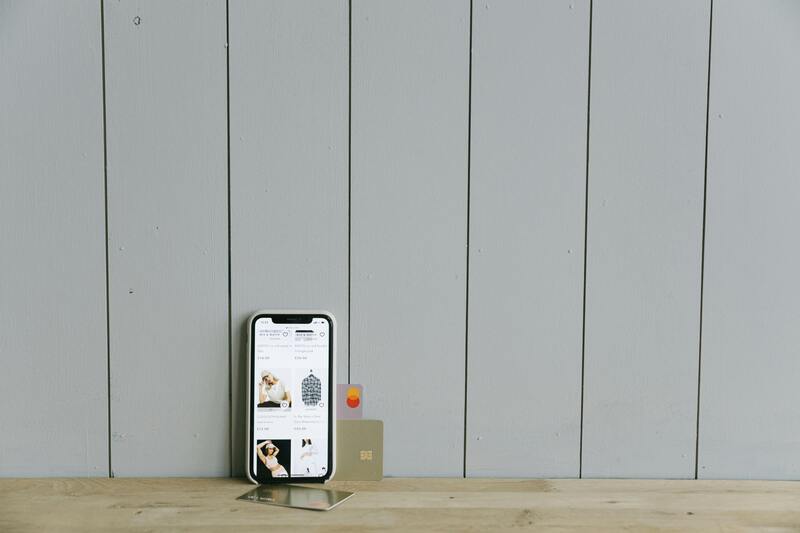
A phone can still work on Wi-Fi without a SIM card. (Image by Pexels)
A phone without a SIM card can still handle many everyday activities through Wi-Fi, including:
- Web browsing
- Video streaming
- Social media apps
- Bluetooth accessories
- GPS navigation
- Cloud photo access
- Internet-based video calls
Some users testing whether can you use a phone without a SIM card works for daily use are often surprised by how many modern apps continue functioning normally over Wi-Fi alone.
Why Some Phones Still Show Service Without a SIM?
Some smartphones may still display signal bars or emergency service indicators even after the SIM card has been removed.
This usually happens because the device can still scan nearby carrier towers, connect to emergency calling systems, or remain linked to previously activated eSIM profiles.
Apple also explains that some newer devices can continue carrier activation digitally through eSIM without relying on a removable SIM card physically inserted into the phone.
Features That Usually Stop Working
Even though many apps continue functioning through Wi-Fi, several traditional mobile features usually stop working without active carrier service.
These commonly include:
- Standard cellular calls
- SMS texting
- Mobile data outside Wi-Fi
- Carrier voicemail access
What happens if you use a phone without a SIM card? This is usually the biggest limitation. The phone itself still works, but normal carrier-based communication features disappear once no active SIM or eSIM profile remains connected.
2. What Happens if You Use a Phone Without a SIM Card?
Without a SIM card, the phone behaves more like a Wi-Fi-connected smart device than a fully connected cellular phone.
The exact experience depends on:
- Wi-Fi availability
- App usage
- Device settings
- Cloud account access
- Whether eSIM remains active
One important thing many users do not realize is that removing the SIM card usually does not erase personal content from the device.
For users asking “What stays on the phone when the SIM card is removed?”, most data typically remains stored normally, including:
- Photos and videos
- Installed apps
- Downloaded files
- Phone-stored contacts
- Music and media
That is because most modern smartphones store personal information either internally or through cloud services rather than directly on the SIM card itself.
This is another reason can you use a phone without a SIM card remains highly relevant today. Even without carrier service, the device may still remain useful for many daily activities.
3. SIM Card vs eSIM: Why Some Phones No Longer Need Physical SIMs?
Many newer smartphones now support eSIM technology, which allows users to activate carrier service digitally instead of inserting a removable SIM card physically.
An eSIM performs the same core function as a traditional SIM card, but activation happens through software configuration instead of a physical chip.
Apple expanded eSIM-only support heavily on newer U.S. iPhone models, including devices sold without physical SIM trays entirely.
This transition explains why some users researching “can you use a phone without a sim card” may still notice carrier connectivity working on certain devices even after removing the physical SIM.
Modern phones may now support:
- eSIM-only activation
- Dual SIM + eSIM setups
- Multiple carrier profiles stored digitally
As more manufacturers adopt eSIM technology, physical SIM cards may become less necessary on some future devices.
4. When You Need More Than Wi-Fi on Your Phone?
Using a phone without carrier service may work fine for home entertainment or temporary backup use, but most users eventually run into limitations once they leave stable Wi-Fi coverage.
For users who have reached that wall and are looking for a way to add reliable LTE, 5G, or eSIM connectivity without paying full carrier prices, the Lifeline program is worth understanding.
Lifeline is a federal assistance program that helps eligible low-income households access mobile service at reduced or no cost, and it is delivered through certified providers rather than a government office. This means the experience of enrolling and receiving service is handled by a carrier directly.
Users focused on photography and larger displays may prefer devices such as the Samsung Galaxy S22, while users looking for premium iOS performance and long-term software support may consider the iPhone 15.
For more budget-friendly everyday usage, devices like the TCL 20 XE or newer Motorola models may work well for streaming, messaging, browsing, and LTE connectivity without requiring flagship pricing.
- SIM card activation
- eSIM-compatible devices
- Monthly talk, text, and data plans
- BYOD support for compatible phones
Available devices, supported features, SIM options, and monthly data amounts may vary by state and may change over time depending on inventory availability. Get started now and complete the application in several simple steps to get one for yourself!
Final Thoughts
The answer to can you use a phone without a sim card is yes in many situations, especially for Wi-Fi-based activities such as streaming, web browsing, social media apps, cloud storage access, and internet-based messaging.
However, removing the SIM card still limits traditional carrier features such as standard cellular calls, SMS texting, and mobile data outside Wi-Fi coverage.
As eSIM technology becomes more common, some phones may continue supporting carrier connectivity even without a physical SIM card installed at all.
For users testing whether can you use a phone without a sim card fits their daily routine, the experience usually depends on how often they rely on mobile networks outside Wi-Fi access.