

On This Page
1. Can You Use EBT on Thrive Market?
Many SNAP recipients wonder: “Can you use EBT on Thrive Market?” The good news is that Thrive Market now accepts SNAP EBT for eligible grocery purchases. This makes it easier for low-income families to access organic, natural, and specialty foods that may be hard to find in local stores.
To use EBT on Thrive Market, customers can link their EBT card to their online account at checkout. SNAP funds can then be applied to approved food items, which include most groceries such as fresh produce, canned goods, and pantry staples. It’s important to note, however, that non-food items like vitamins, supplements, hygiene products, or membership fees cannot be purchased with SNAP benefits. Alcohol and gift cards are also excluded.
While Thrive Market supports EBT nationwide, availability may vary slightly by state due to state-level regulations, so it’s always a good idea to confirm that your state supports EBT payments during checkout. Using EBT on Thrive Market allows families to stretch their food budget while still enjoying high-quality groceries delivered directly to their door.
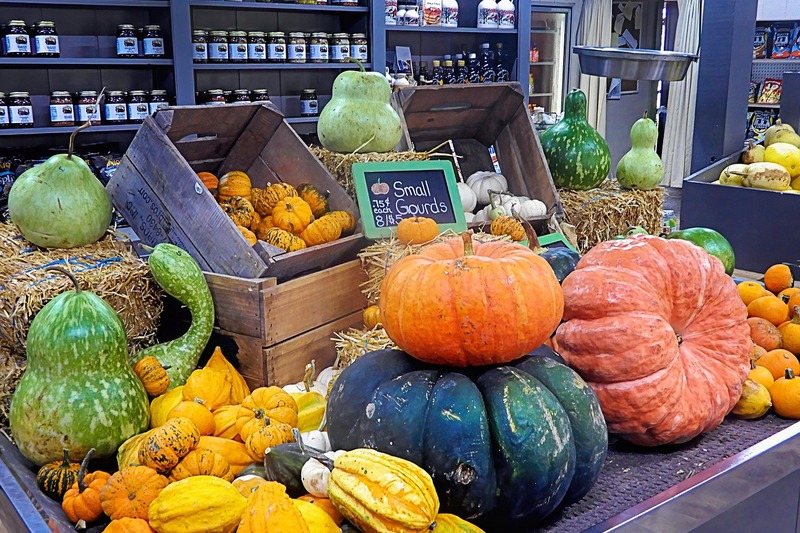
Can you use EBT on Thrive Market? Learn the rules before shopping online. (Image by Pixabay)
2. What EBT Users Need to Know Before Shopping on Thrive
For SNAP households interested in Thrive Market, awareness is key:
- Membership Costs: Thrive Market requires an annual membership fee, which cannot be paid with EBT. However, first-time users can sometimes access trial memberships or special discounts. Using these promotions wisely can help low-income families gain access to high-quality products without overspending.
- Eligible vs. Non-Eligible Items: Many Thrive Market products are not covered under SNAP. However, knowing which items are SNAP-eligible in local stores can help families plan: use your EBT card for those essentials in-store and use Thrive Market for specialty, organic, or non-SNAP items.
- Shipping Fees: Unlike EBT payments, Thrive Market requires that shipping costs be covered with a standard payment method. Budgeting carefully ensures that online shopping does not reduce funds available for EBT-covered purchases.
- Promotional Offers: Thrive Market frequently rotates discounts, seasonal promotions, and bulk offers. Staying updated via newsletters or the website can maximize savings, even for items that aren’t covered by EBT.
By understanding these nuances, SNAP recipients can make informed decisions about when and how to shop on Thrive Market while optimizing their overall grocery spending.
3. Alternatives If You Want to Use EBT Online
If the main goal is to use your EBT card online, several platforms support SNAP directly:
- Amazon: Offers EBT for groceries in all states where SNAP online purchasing is approved. Eligible items include pantry staples, fresh produce, and select household necessities.
- Walmart: Accepts EBT for online grocery orders, allowing customers to pay for SNAP-eligible items online and either pick them up in-store or have them delivered.
- Regional Chains: Some local supermarkets offer online ordering with EBT for pickup or delivery. Policies vary by location, so it is important to check your store’s website before placing an order.
- State-Approved Retailers: Certain states have agreements with specific online retailers to accept EBT payments. Consulting your state’s SNAP website provides a full list of approved vendors.
These alternatives allow families to enjoy the convenience of online shopping without compromising their SNAP benefits. In some cases, combining these retailers with Thrive Market memberships allows households to purchase both essential and specialty items effectively.
4. How Thrive Market Supports SNAP Families Even Without EBT
Even without accepting EBT, Thrive Market offers several advantages:
- Discounted Specialty Foods: Thrive Market’s membership model provides access to organic and non-GMO products at lower prices than conventional stores, helping families maximize their food budget for non-SNAP items.
- Meal Planning Resources: Thrive Market offers guides for meal prep, nutrition, and shopping strategies tailored for families. SNAP households can benefit from these tips to plan balanced and cost-efficient meals.
- Convenience and Accessibility: Online shopping reduces travel time and makes it possible to access a broader range of products. For families with transportation limitations, Thrive Market helps provide convenient access to healthy options.
Ultimately, Thrive Market acts as a valuable supplement for low-income families looking for specialty foods, even when direct EBT usage is not possible.
Online shopping requires reliable internet and device access, which is essential for EBT users managing multiple accounts, comparing prices, or applying for online promotions. Many SNAP recipients qualify for Lifeline, a federal program that allows eligible users to receive free or discounted phones and monthly service through approved providers. This support makes it easier for families to stay connected and manage their benefits without extra cost.
- Free Smartphones**:** Eligible households can obtain a smartphone at no cost, enabling online access for shopping, budgeting, and benefit management.
- Enhanced Budgeting: Using Lifeline in tandem with EBT allows families to track online deals, participate in loyalty programs, and maximize monthly grocery budgets without overspending.
This combination ensures that SNAP households can access online resources safely and efficiently, bridging the gap between digital accessibility and government assistance programs.

Final Thoughts
So, can you use EBT on Thrive Market? The answer is yes, but only for eligible food items. SNAP users can now take advantage of Thrive Market’s wide selection of organic and specialty products without worrying about missing out on essential groceries.
By understanding which items are EBT-eligible on Thrive Market and pairing SNAP with programs like Lifeline, low-income families can stretch their budgets further, access healthier food options, and stay connected with essential services.