

On This Page
As food delivery apps become more popular, many families using nutrition assistance programs are asking the same question: can you use WIC on Doordash? For WIC participants who manage tight schedules, childcare, and transportation challenges, delivery services may seem like a convenient solution.
However, WIC follows very specific federal and state rules that differ from other programs like SNAP. This article explains whether WIC can be used on DoorDash, why restrictions exist, and how WIC families can still access essential support services beyond food.
1. Can You Use WIC on DoorDash? The Clear Answer Explained
The clear and accurate answer to can you use WIC on Doordash is no. At this time, WIC benefits cannot be used on DoorDash for food delivery or grocery purchases.
Even though DoorDash partners with grocery stores and retailers that may accept WIC in person, WIC benefits cannot be processed through the DoorDash platform. This applies nationwide and is based on how the WIC program is structured and regulated.
So if you are wondering “can you use your WIC card on Doordash“, the answer remains the same: WIC cards are not compatible with DoorDash transactions.

Can you use WIC on DoorDash remains limited, making planning ahead essential (Image by Pexels)
2. Why WIC Benefits Cannot Be Used on DoorDash?
WIC Requires In-Store or Approved Retail Transactions
One of the main reasons can you use WIC on Doordash has a negative answer is because WIC requires strict transaction controls.
Under federal WIC regulations administered by the USDA Food and Nutrition Service (FNS), WIC purchases must occur at authorized WIC vendors using approved point-of-sale systems. These systems verify:
- Eligible food items
- Package sizes
- Brand requirements
- Participant benefit balances
DoorDash does not operate as a WIC-authorized vendor and does not use WIC-approved transaction systems. Because of this, WIC cards cannot be processed through the app.
How WIC Differs From SNAP in Online and App-Based Purchases
Many families are confused between WIC and SNAP.
SNAP (EBT) allows online purchasing through approved retailers and platforms, including DoorDash in some locations.
WIC, however, is fundamentally different. WIC benefits are prescriptive, meaning they are tied to specific foods for nutritional health, not general grocery spending.
3. Why DoorDash Accepts SNAP but Not WIC?
DoorDash accepts SNAP EBT for grocery orders in select areas because SNAP has been federally approved for online purchasing under pilot and expansion programs.
WIC has not received similar nationwide approval for app-based or third-party delivery services. The USDA requires WIC transactions to remain closely monitored, which is difficult to enforce through third-party delivery platforms.
4. Are There Any Ways to Use WIC for Online or Delivery Grocery Orders?
Currently, WIC participants must shop in person at authorized WIC retailers. Some states have tested limited online WIC ordering pilots, but these are not widely available and do not include DoorDash.
If you are searching for alternatives after learning can you use WIC on Doordash, here are realistic options:
- Use WIC benefits in-store for approved foods
- Use SNAP (if eligible) for online grocery delivery
- Combine WIC for nutrition-specific items and SNAP or cash for delivery services
Understanding these limits helps avoid declined transactions and checkout issues.
5. Why Reliable Internet and Phone Access Still Matter for WIC Families?
Technology continues to play a critical role in how WIC households manage benefits and access essential services. While WIC benefits must be used in person at authorized retailers, many administrative and support functions related to WIC now depend on reliable phone and internet access.
For WIC families, consistent connectivity helps with:
- Scheduling and confirming WIC clinic appointments
- Receiving benefit updates, recertification notices, and clinic reminders
- Accessing online nutrition education and breastfeeding resources
- Communicating with healthcare providers, pediatric offices, and prenatal care services
In many states, WIC agencies use digital portals, text alerts, or mobile apps to share important information. Missing a message due to lack of phone or internet access can result in delayed appointments, interrupted benefits, or missed education requirements.
This is why reliable connectivity remains essential for WIC households, even though can you use WIC on Doordash remains restricted under current federal rules.
While WIC benefits cannot be applied to delivery apps, staying connected ensures families can fully manage their benefits, maintain eligibility, and access the health and nutrition support WIC is designed to provide.
6. Lifeline Support Options for Households Receiving WIC
This is where other assistance programs come into play. The Lifeline program, overseen by the Federal Communications Commission (FCC), helps low-income households afford phone and internet services.
In some states, participation in WIC may be accepted as a qualifying program for Lifeline, depending on provider policies and local eligibility rules. This means that WIC participation can support access to affordable communication services.
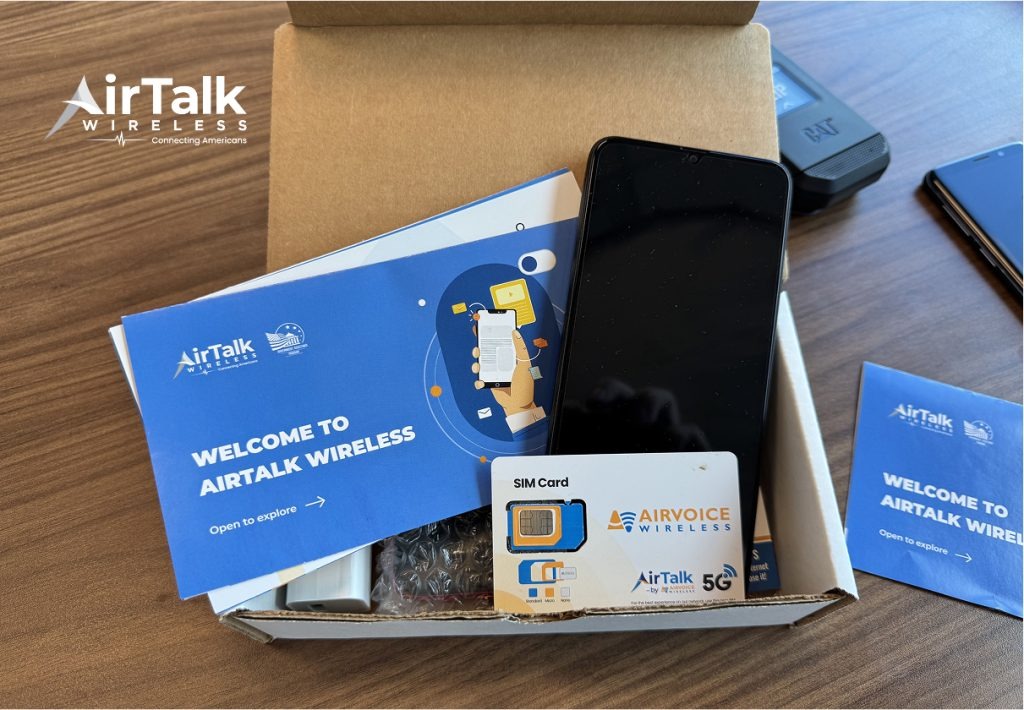
- A free or discounted smartphone
- Free monthly talk, text, and data
- Affordable wireless plans with no long-term contracts
For WIC families, this connectivity supports:
- Timely communication with WIC clinics
- Appointment reminders and benefit updates
- Access to online health and nutrition resources
- Emergency communication and school coordination
Final Thoughts
If you are asking can you use WIC on Doordash, the answer is clearly no under current federal WIC rules. WIC benefits cannot be used on DoorDash or similar delivery apps due to strict authorization and transaction requirements.
However, understanding how WIC differs from SNAP, knowing your shopping options, and staying connected through programs like Lifeline can still make managing benefits easier. While food delivery may not be available through WIC, reliable phone and internet access help families stay informed, organized, and supported.