
On This Page
Not every SIM card is designed for traditional phone calls and texting anymore.
As tablets, mobile hotspots, smartwatches, laptops, and connected devices become more common, many users now look for mobile plans focused entirely on internet access instead of voice service. That is where a data only SIM card becomes useful.
Unlike traditional mobile plans, data-only SIM options are designed mainly for internet connectivity. These plans are commonly used in devices that need mobile data access but may not require standard calling or SMS features.
This guide explains how data-only SIM cards work, which devices typically use them, and how to choose the right amount of data for daily usage.
1. What Is a Data Only SIM Card?
A data only SIM card is a SIM card designed primarily for mobile internet access rather than traditional voice calling or SMS texting.
Instead of focusing on standard phone service, these SIM cards mainly provide:
- Mobile data connectivity
- Internet access on cellular networks
- LTE or 5G support for compatible devices
A data-only SIM may be used in:
- Tablets
- Mobile hotspots
- Laptops with cellular support
- Smartwatches
- Backup internet devices
- Secondary travel phones
Some smartphones can also use a data only SIM card, especially when users rely mainly on internet-based communication apps instead of traditional carrier calling.
This type of setup has become more common as apps such as WhatsApp, Telegram, FaceTime, and Google Meet increasingly replace standard voice and SMS usage for many users.
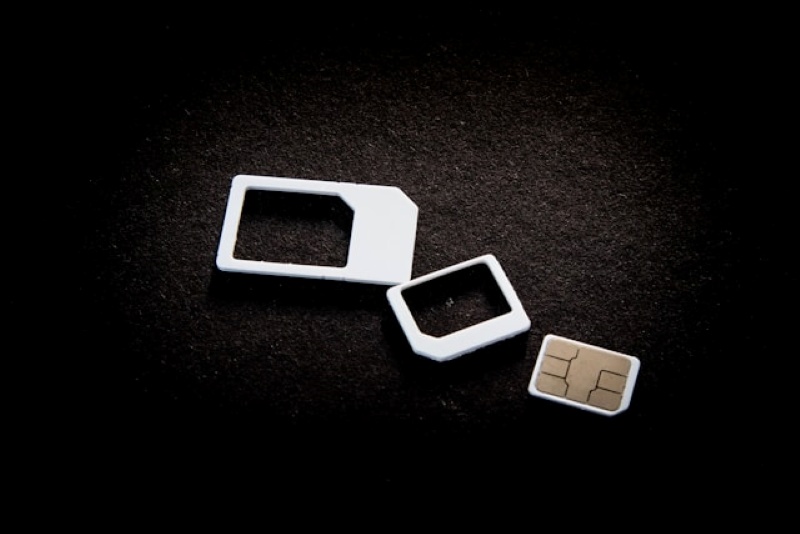
A SIM card with only data is designed primarily for mobile internet access.
2. Can You Buy a SIM Card With Data Only?
Yes, many carriers and wireless providers now offer plans specifically designed around mobile data usage only.
Can you buy a SIM card with data only? Absolutely yes, although plan types and supported devices may vary depending on the carrier.
Some providers offer standalone data-only plans, while others bundle data access together with hotspot devices, tablets, or connected products.
Where Data-Only SIM Cards Are Available?
A data only SIM Card can usually be purchased through:
- Wireless carriers
- Online mobile providers
- Retail electronics stores
- Tablet plan providers
- Mobile hotspot services
Some plans are activated digitally through eSIM technology, while others still rely on physical SIM cards.
As eSIM support continues expanding, many newer devices now allow data plans to activate remotely without inserting a removable SIM manually.
Different Types of Data-Only Plans
Data-only plans now come in several different formats depending on how the device will be used.
Common plan types include:
- Tablet data plans
- Mobile hotspot plans
- Laptop connectivity plans
- eSIM-based travel data plans
- Shared family data plans
- BYOD data-only activation
Some plans may provide:
- Fixed monthly data amounts
- Unlimited data with speed throttling
- Prepaid short-term access
- International roaming data support
For users asking “Can I get a SIM card with only data?”, the best option often depends on the device type and expected monthly usage.
What Usually Comes With the Plan?
Most data only SIM Card plans focus primarily on internet access rather than full mobile service features.
Depending on the provider, a plan may include:
- LTE or 5G mobile data
- Hotspot access
- eSIM compatibility
- BYOD support
- Multi-device connectivity
However, many data-only plans may not include:
- Traditional voice calling
- Standard SMS texting
- Carrier voicemail features
Instead, users often rely on:
- Wi-Fi calling apps
- VoIP services
- Internet messaging platforms
3. What You Can and Cannot Do With a Data Only SIM?
A data only SIM card can support many internet-based activities normally as long as the device remains connected to the carrier network.
Common activities may include:
- Video streaming
- Social media access
- Internet browsing
- GPS navigation
- Video conferencing
- Cloud storage access
- App downloads
- Messaging apps
Many users now use data-only plans almost entirely through internet communication platforms rather than traditional phone service.
However, certain limitations still exist depending on the carrier and device setup.
A data-only SIM may not support:
- Standard cellular voice calls
- Traditional SMS texting
- Carrier voicemail access
- Emergency calling in some situations
This is one reason some users combine:
- A traditional SIM plan
- A secondary data only SIM card
- eSIM-based travel data
on the same device for additional flexibility.
4. How Much Data Do You Actually Need?
The right amount of data depends heavily on how the device is used daily.
Light users who mainly browse websites, check email, and use maps occasionally may need only a few gigabytes per month.
Moderate users who stream music, attend video meetings, or use social media regularly may require significantly more.
Heavy users who rely on mobile hotspots, video streaming, or remote work setups often consume much larger monthly data amounts.
Video streaming remains one of the biggest sources of mobile data consumption globally. Ericsson’s Mobility Report noted that video traffic continues accounting for the majority of worldwide mobile network data usage.
5. Claim the Right Data Amount for Your Devices
Different devices often require very different amounts of monthly data.
For example:
- Tablets used mainly for browsing may need only moderate data usage
- Mobile hotspots for remote work may require larger monthly plans
- Streaming devices and shared connections usually consume data much faster
- Lifeline Basic/Standard Plan (Free): approximately 5GB-16GB of monthly data depending on state availability
- Plus Plan ($10/month): approximately 10GB-18GB of monthly data depending on the selected offer
- Unlimited Plan ($20/month): approximately 16GB-25GB of monthly data depending on local availability and supported devices
- BYOD (SIM-only) Options: Users bringing their own compatible devices may also find SIM-only plans, offering 10GB-30GB of monthly data depending on eligibility and state-specific offers.
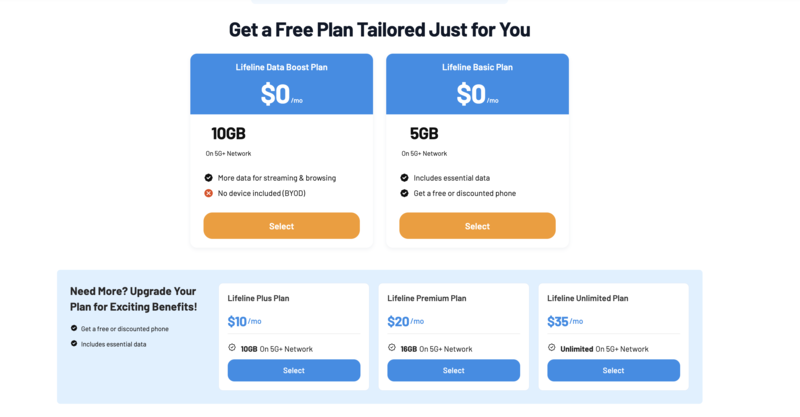
Standard Plan is a popular Lifeline plan for eligible customers, offering free talk, text, data
Some supported devices and plans may also include:
- LTE and 5G support
- eSIM activation on compatible phones
- Hotspot capability
- BYOD activation
- Dual SIM compatibility
The application process generally includes:
- Checking eligibility through qualifying programs or income requirements
- Entering a ZIP code to confirm local plan availability
- Choosing either a device plan or BYOD SIM option
- Uploading verification documents for approval
- Completing the online application securely
- Activating service after approval using either a physical SIM card or eSIM setup
Available devices, monthly data amounts, supported features, and SIM options may vary by state and may change over time depending on inventory and carrier availability.
Choosing the right data only SIM card setup can help users avoid paying for unnecessary services while still maintaining reliable mobile internet access across their devices.
Final Thoughts
Tablets, hotspots, laptops, travel devices, and even some smartphones can benefit from data-focused plans that prioritize mobile internet access over standard calling and texting features.
As more communication shifts toward internet-based apps and cloud-connected devices, questions like “Can you buy a SIM card with data only?” and “Can I get a SIM card with only data?” will likely continue becoming more common.
Understanding how these plans work can make it much easier to choose the right mobile setup while avoiding unnecessary monthly costs.