
On This Page
Finding a dermatologist Medicaid patients can use helps make skin care more affordable and accessible. Medicaid may cover dermatologist visits for medically necessary conditions, such as rashes, infections, or chronic skin diseases, though coverage rules and provider availability vary by state and plan.
1. What Does Medicaid Cover for Dermatology?
Medicaid typically covers medically necessary dermatology services, including evaluations, diagnosis, and treatment of skin conditions that affect your health. Covered care often includes treatment for acne, eczema, psoriasis, dermatitis, skin infections, and mole or lesion removals when deemed medically necessary, which means when these conditions cause pain, infection, functional impairment, or other medical concerns.
Can I see a dermatologist without a referral with Medicaid? In many cases, the answer depends on your state and whether you are enrolled in a managed care plan or fee-for-service Medicaid. Medicaid may also cover skin cancer screenings and follow-up care, while cosmetic procedures are generally excluded, so it’s important to review your specific plan details.
2. What Skin Conditions Are Treated by a Dermatologist Medicaid?
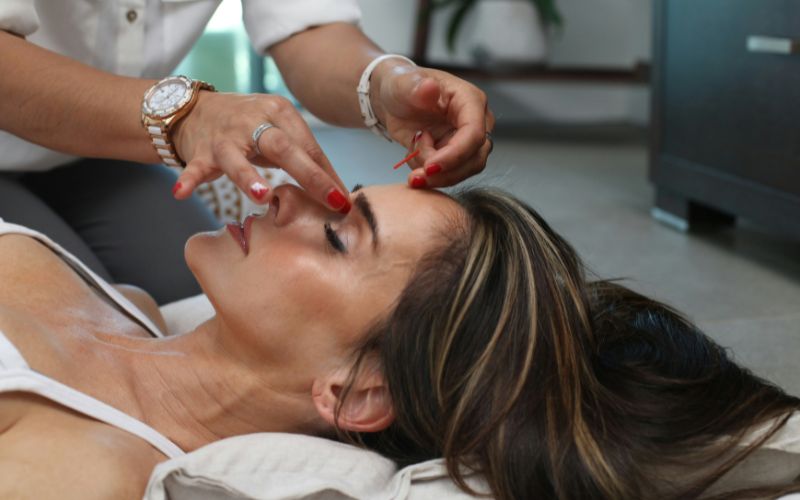
Some skin conditions that dermatologist Medicaid may treat. (Image by Unsplash)
Dermatologist Medicaid coverage focuses on diagnosing and treating skin conditions that are considered medically necessary rather than cosmetic. A Medicaid dermatologist can help manage both chronic skin diseases and urgent skin concerns that affect your health or quality of life.
Common Medical Skin Conditions Covered
A dermatologist Medicaid patients see commonly treats conditions such as acne, eczema, and psoriasis when they cause pain, inflammation, infection, or long-term skin damage. Skin infections and persistent rashes, including bacterial, fungal, or allergic reactions, are also typically covered if medical treatment is required.
In addition, suspicious moles, abnormal skin growths, and skin cancer screenings may be covered, especially when there is a concern about melanoma or when they are considered medically necessary.
Dermatology Procedures Medicaid May Pay For
Medicaid may cover dermatology procedures that are necessary to diagnose or treat a medical condition, such as skin biopsies, lesion removals, wart treatments, and minor surgical procedures. Follow-up visits, lab testing related to skin disorders, and prescribed topical or oral medications are often included as part of treatment. Coverage can vary by state, so patients should confirm which procedures their Medicaid plan approves.
3. Extra Medicaid Benefits That May Not Be Known About
In addition to medical coverage, Medicaid enrollment can also make you eligible for the federal Lifeline Program, which helps lower the cost of phone and data service. Lifeline focuses on providing monthly service support, making it easier for eligible individuals to stay connected for healthcare appointments, job searches, education, and daily communication.
Check the phone list below to explore available devices and apply online if you qualify.
If you receive Medicaid benefits, applying for a free government phone in 2026 can be a straightforward process when you follow the right steps. Understanding what to prepare and how the Lifeline application works will help you move faster and avoid common delays.
Step 1: Check Eligibility and Prepare Your Documents
Before choosing any provider, you should first confirm that your Medicaid benefits are active and eligible for the Lifeline program, even if you are already a dermatologist Medicaid patient. This step can be completed through eligibility checks or by some assistant programs like Medicaid, SNAP, or household income. It’s strongly recommended that you prepare key documents in advance, such as proof of Medicaid participation and basic personal information, so you are ready when it’s time to apply.
Step 3: Enter Personal Information and Upload Documents if Required
During the application, you will need to provide personal details such as your full name, residential address, date of birth, and the last four digits of your Social Security Number. In many cases, the system can verify Medicaid eligibility automatically.
However, if automatic verification is not possible, you may be asked to upload proof of eligibility, such as a benefits letter or official documentation, to complete the review.
Step 4: Submit Form and Receive Your Devices
After filling in all required fields, carefully review your information to ensure accuracy before submitting the application for approval. If approved, your Lifeline provider will process the order and ship the device directly to your address.