
On This Page
Traveling internationally often changes the way a phone connects to mobile networks.
A device that works perfectly at home may suddenly lose service overseas, trigger roaming charges, or struggle to connect to local carriers depending on the SIM setup. That is why many travelers start researching “do I need a SIM card for international travel” before leaving the country.
In some situations, keeping the current SIM card works perfectly fine. In others, travelers save far more money by switching to local SIM cards, travel eSIMs, or temporary international data plans instead of relying entirely on roaming service.
The best option usually depends on trip length, destination, phone compatibility, and how heavily mobile data will be used during travel.
1. Do I Need a SIM Card for International Travel?
In most cases, yes. A SIM card or eSIM profile is usually necessary if you want mobile service, data access, texting, or standard calling while traveling internationally.
For travelers researching “do I need a SIM card for international travel**”**, the answer depends mostly on how they plan to use their phones abroad.
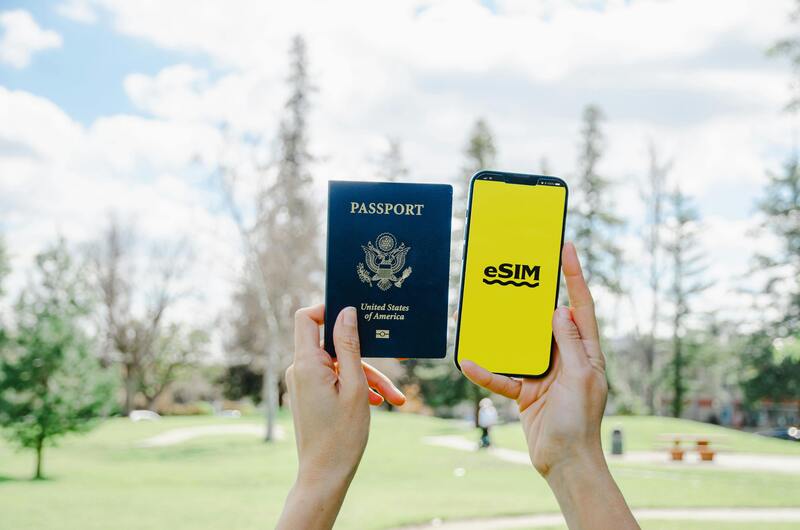
Do I need a SIM card for international travel? International travel may require different SIM or eSIM setups. (Image by Pexels)
Without active mobile service, a smartphone may still work through Wi-Fi for:
- Streaming
- Web browsing
- Messaging apps
- Offline downloads
- Cloud access
However, once outside stable Wi-Fi coverage, travelers often need carrier connectivity for:
- Navigation
- Ride-share apps
- Mobile payments
- Emergency communication
- Booking confirmations
- International calls and texts
This is why many international travelers either keep their original SIM active temporarily or switch to a local SIM or eSIM solution during the trip.
2. Can You Use Your Regular SIM Card Internationally?
Yes, many carriers allow international usage through roaming agreements with foreign mobile networks.
However, roaming availability and pricing vary heavily depending on the carrier and destination country.
For some travelers, whether you need a SIM card for international travel becomes more about avoiding expensive roaming costs than simply maintaining connectivity.
How International Roaming Works?
International roaming allows a phone to connect to foreign carrier towers while still using the original carrier account from home.
Instead of replacing the SIM card physically, the home carrier temporarily partners with overseas networks to provide service access abroad.
This allows travelers to continue using:
- Their original phone number
- Existing texting service
- Carrier billing accounts
- Mobile data access in supported countries
depending on roaming availability.
Why Roaming Can Become Expensive?
Roaming charges can increase very quickly, especially for heavy mobile data usage.
These activities may consume large amounts of international data unexpectedly:
- Video streaming
- GPS navigation
- Social media uploads
- Video calls
- Background app syncing
This is one reason many users researching “do I need a SIM card for international travel**”** eventually choose local SIM cards or temporary travel eSIM plans instead of relying completely on roaming service.
When Keeping Your Current SIM Makes Sense?
In some situations, keeping the original SIM card remains the simplest option.
This may work well when:
- The trip is short
- International roaming is included in the carrier plan
- Travelers mainly rely on Wi-Fi
- Maintaining the original phone number is important
Business travelers, for example, often keep their home SIM active to continue receiving verification texts, banking alerts, and work-related calls while abroad.
3. Different SIM Options for International Travel
Travelers today have several ways to stay connected internationally depending on phone compatibility and budget.
The most common options include:
- Keeping the original SIM with roaming enabled
- Buying a local SIM card after arrival
- Activating an international travel eSIM
- Using temporary prepaid travel SIM plans
Each option offers different advantages depending on:
- Data usage
- Trip duration
- Number of countries visited
- Device compatibility
For users asking “do I need a SIM card for international travel”, eSIM technology has become especially popular because many newer phones now allow travelers to activate foreign data plans digitally without physically replacing the original SIM card.
4. What to Check Before Using Your Phone Overseas?
Before traveling internationally, users should confirm that both the phone and SIM setup will actually work abroad.
Important things to verify include:
- Whether the phone is carrier unlocked
- LTE and 5G band compatibility
- eSIM support availability
- Roaming pricing details
- International calling limitations
- Supported countries and networks
A phone locked to a specific carrier may not accept foreign SIM cards properly, even if the SIM size fits physically.
This is another reason “do I need a SIM card for international travel” often depends on carrier restrictions as much as the trip itself.
5. SIM Card vs eSIM for International Travel
Many international travelers now compare physical SIM cards with newer eSIM solutions before traveling.
| Feature | Physical SIM | eSIM |
|---|---|---|
| Requires physical installation | Yes | No |
| Can be purchased locally | Yes | Often activated online |
| Allows keeping home SIM active | Sometimes | Often easier |
| Device compatibility required | Standard SIM slot | eSIM-supported phone |
| Easy switching between carriers | Moderate | Usually faster |
| Risk of losing SIM card | Possible | None physically |
For many users researching do I need a SIM card for international travel, eSIM solutions have become increasingly attractive because they reduce the hassle of physically swapping SIM cards during trips.
6. Staying Connected While Traveling with Free Phone Services
For users who travel mainly within the United States but still need occasional international communication, some wireless providers may offer plans that support international calling from the U.S.
Depending on eligibility and local availability, qualified users may receive access to:
- Monthly talk, text, and data service
- LTE and 5G-ready smartphones
- SIM or eSIM activation options
- BYOD support for compatible devices
Some currently available devices may include:
- Google Pixel devices for travelers who want clean Android software and strong camera performance
- Samsung Galaxy S Series options for larger batteries, international roaming compatibility, and high-speed connectivity
- iPhone 15 devices for users interested in eSIM-ready international travel support
Available devices, supported features, SIM options, and monthly data amounts may vary by state and may change over time depending on inventory availability and Lifeline participation rules.
Final Thoughts
The answer to “do I need a SIM card for international travel” depends heavily on how you plan to use your phone overseas.
Short trips with limited mobile usage may work fine through roaming and Wi-Fi alone, while longer travel often becomes cheaper and more reliable with local SIM cards or travel eSIM plans.
Checking carrier compatibility, roaming costs, and phone support before departure can help travelers avoid expensive surprises while staying connected more reliably abroad.