

On This Page
Family planning decisions often come with practical questions about cost and coverage, especially for permanent procedures. For many people, that leads to a common question: does Medicaid cover a vasectomy?
While Medicaid does provide coverage for certain family planning services, vasectomy coverage is not automatic and depends on eligibility rules, consent requirements, and state-specific policies. Understanding what Medicaid considers covered, how state restrictions apply, and what limits may affect access can help individuals make informed decisions without unexpected delays or denials.
1. Does Medicaid Cover a Vasectomy?
Yes, Medicaid may cover a vasectomy, but coverage is not automatic and comes with specific federal and state requirements. In general, Medicaid treats vasectomy as a family planning service, which means it can be covered when all eligibility rules are met, and the procedure is provided by an approved provider.
However, coverage depends on more than just medical eligibility. Medicaid requires strict compliance with consent rules, waiting periods, and documentation before the procedure can be approved. Even when a vasectomy is covered, failure to meet any of these requirements can result in denial. This is why people asking Does Medicaid cover a vasectomy often receive different answers depending on their state, provider network, and timing.
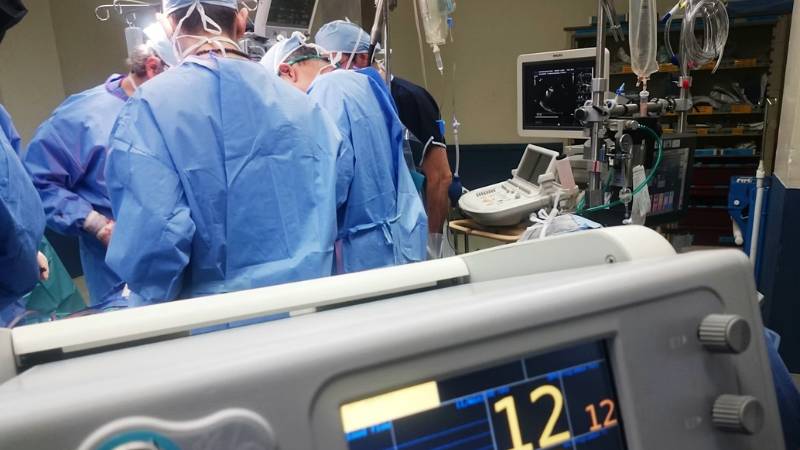
Does Medicaid cover a vasectomy? Yes, Medicaid may cover a vasectomy as a family planning service, but approval depends on meeting strict consent, waiting period, and state-specific requirements. (Image by Unsplash)
2. What Qualifies Me for a Vasectomy Under Medicaid?
To qualify for a vasectomy under Medicaid, several conditions usually must be met. First, the individual must be eligible for Medicaid family planning services under their state program. This typically includes adults who meet income and enrollment requirements, though exact eligibility can vary by state.
Second, Medicaid requires informed consent before a vasectomy can be performed. This involves signing a specific consent form that explains the permanent nature of the procedure. Federal rules generally require the consent form to be signed well in advance of the procedure, rather than on the same day, to ensure the decision is made voluntarily and without pressure.
Third, the procedure must be performed by a Medicaid-approved provider within the state’s provider network. Even if a vasectomy would otherwise qualify for coverage, Medicaid may not pay if the provider or facility is out of network or does not meet program requirements.
Meeting all of these conditions is essential. If any step is missed, Medicaid may deny payment even when the procedure itself would normally be considered a covered family planning service.
3. State Rules and Restrictions That Affect Vasectomy Coverage
Even though federal Medicaid guidelines allow coverage for vasectomy as a family planning service, state-level rules strongly influence whether coverage is approved in practice. These rules determine timing, documentation, and where the procedure can be performed, which is why answers to “Does Medicaid cover a vasectomy?” often differ by location.
Waiting Periods and Consent Requirements
One of the most common restrictions involves mandatory waiting periods and formal consent. Medicaid requires informed consent to confirm that the decision is voluntary and fully understood. In many states, this consent must be signed a specific number of days before the procedure, not on the same day.
If the waiting period is not met, or if the consent form is incomplete, expired, or improperly documented, Medicaid may deny coverage even if all other eligibility requirements are satisfied. These rules are strictly enforced and are one of the main reasons vasectomy claims are rejected under Medicaid.
Provider Availability and Network Limits
Provider access is another major factor. Medicaid will only cover a vasectomy if it is performed by a provider who participates in the state’s Medicaid network and follows program guidelines. In some areas, especially rural regions, finding an in-network provider who performs vasectomies can be difficult.
If the procedure is performed by an out-of-network provider or at a facility not authorized under Medicaid, coverage may be denied. This limitation affects practical access, even in states where vasectomy is technically covered.
4. What Medicaid Will Not Cover Related to Vasectomy
Understanding what Medicaid will not cover helps avoid unexpected costs. Medicaid generally does not pay for services related to a vasectomy that fall outside approved family planning coverage.
This often includes procedures that do not meet consent or waiting period requirements, follow-up services provided by non-participating providers, or additional services that are considered elective rather than medically or programmatically necessary. Medicaid may also deny coverage if documentation is incomplete or if the procedure does not align with state-specific family planning policies.
Medicaid coverage is focused on the approved procedure itself, not convenience-based services or care that falls outside defined benefit rules.
»> Also read: Does Medicaid Cover Weight Loss Shots 2026? The Truth Behind Popular Injections
5. What to Do If Medicaid Does Not Cover a Vasectomy in Your State
If Medicaid does not cover a vasectomy in your state, there may still be other paths to explore. Some individuals qualify for state-funded family planning programs or reduced-cost services offered by public health clinics. These programs often operate separately from full Medicaid coverage and may have different eligibility criteria.
Others may find assistance through community health centers or nonprofit organizations that offer vasectomy services on a sliding fee scale based on income. In some cases, clinics provide lower-cost options specifically designed to improve access to permanent contraception.
When coverage is denied, staying informed and responsive matters. Providers or program coordinators may contact patients to discuss alternatives, documentation issues, or referral options. Being reachable helps ensure that the process does not stop at a denial, but continues toward other available solutions.
6. Why Staying Connected Matters During Family Planning Care
Family planning care often looks simple on paper, but in practice, it moves through a sequence of checkpoints rather than a straight line. When people search Does Medicaid cover a vasectomy, they are usually trying to understand the rules. What they may not expect is how much of the process depends on communication rather than eligibility alone.
Vasectomy coverage under Medicaid is closely tied to timing. Consent forms must be completed correctly, waiting periods must be observed, and providers must confirm documentation before scheduling the procedure. Missed calls or delayed responses can quietly reset timelines, forcing individuals to repeat steps they already completed.
Family planning decisions also tend to involve coordination across more than one office. A clinic may handle consent, while Medicaid or a managed care plan confirms coverage details. Updates about approvals, rescheduling, or provider availability are often shared by phone, not through formal notices. When communication breaks down, access does not stop because of policy, but because the process loses momentum.
For many people, this stage is where confusion sets in. They may technically qualify, yet still feel stuck waiting. Staying reachable helps keep decisions moving forward, especially when family planning care is governed by strict rules that leave little room for flexibility.
- Reliable phone access for consent verification, scheduling updates, and provider follow-ups
- Supported device options, depending on state availability, to maintain consistent connectivity
- Fewer missed calls that could affect waiting periods or procedure timelines
- Ongoing service stability, even during multi-step approval processes
In family planning care, staying connected supports clarity, continuity, and timely progress through each required step.
Conclusion
Understanding “Does Medicaid cover a vasectomy” means looking beyond eligibility alone. While Medicaid may cover vasectomy as a family planning service, access depends on state rules, consent requirements, provider availability, and timing.
Knowing what qualifies, what Medicaid will not cover, and how to respond when coverage is limited helps individuals make informed decisions without unnecessary delays. Staying connected throughout the process plays an important role in keeping family planning care on track and avoiding setbacks tied to missed communication.
Related SenGov Guides
- Does Medicaid Cover Vasectomy 2026? Coverage Rules, Eligibility, and What to Expect
- Does Medicaid Cover Birth Control in 2026? Covered Methods, Rules, and Eligibility Explained
- Is TMS Covered by Medicaid 2026? Coverage Rules, Eligibility, and What to Expect
- Does Medicaid Cover Braces in 2026? What’s Covered, Who Qualifies, and Real Alternatives