
On This Page
Breast reduction surgery is often associated with cosmetic change, but for many patients, it is a medical necessity. Chronic pain, posture problems, and skin conditions caused by overly large breasts can significantly impact daily life. This leads many people to ask: does Medicaid cover breast reduction?
The answer depends on medical necessity, documentation, and state-specific Medicaid rules. Understanding how Medicaid evaluates this procedure can help you prepare for the approval process and avoid unnecessary delays.
1. Does Medicaid Cover Breast Reduction Surgery?
In general, does Medicaid cover breast reduction surgery? The answer is sometimes.
Medicaid may cover breast reduction only when the procedure is medically necessary. Surgeries performed solely to improve appearance are not covered. However, when breast size causes documented physical health problems, Medicaid may approve coverage after prior authorization.
Each state operates its own Medicaid program, which means coverage rules and approval criteria can vary. Still, all states rely on the same core principle: medical necessity.
Why Medicaid Does Not Cover Cosmetic Breast Reduction
One major reason people ask “Does Medicaid cover breast reduction?” is confusion between cosmetic and medical care.
Medicaid does not pay for procedures considered cosmetic, including breast reduction, when:
- There is no chronic pain or functional limitation
- Symptoms are mild or undocumented
- No conservative treatments have been attempted
If the surgery is primarily intended to change appearance, Medicaid will deny coverage.
When Medicaid May cover Breast Reduction
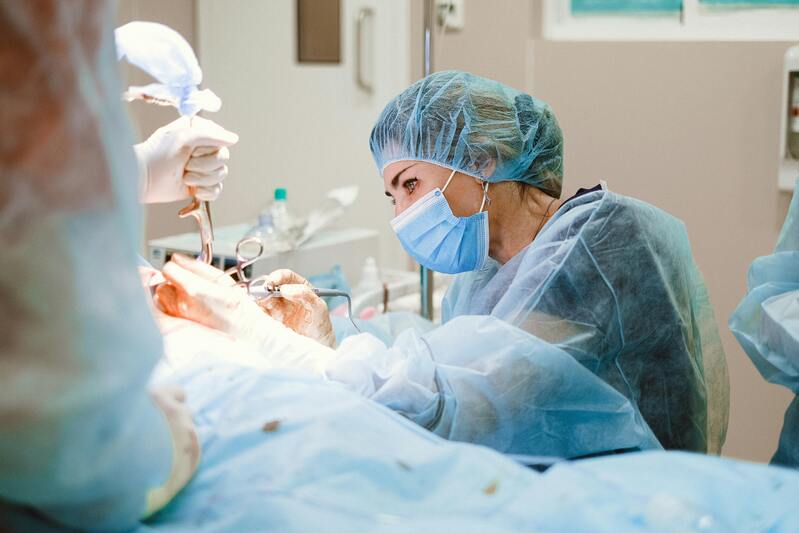
Breast reduction coverage depends on health impact, not appearance. (Image by Pexels)
Medicaid may approve breast reduction if large breasts cause ongoing medical issues that significantly affect a patient’s health and daily functioning. Common qualifying conditions include:
- Chronic neck, shoulder, or back pain that persists despite treatment
- Nerve compression or numbness in the shoulders, arms, or upper back
- Recurrent skin infections, rashes, or open sores beneath the breast folds
- Difficulty exercising, maintaining posture, or performing routine daily activities
To move beyond theory and into actual approval, Medicaid typically requires objective medical evidence.
This may include imaging studies, physician notes documenting long-term symptoms, and records showing that conservative treatments such as physical therapy, pain management, or supportive garments failed to provide relief.
In many states, surgeons must also estimate the amount of breast tissue to be removed and explain how the reduction will directly improve physical health. Without this level of detail, claims are often denied.
In these cases, Medicaid breast reduction becomes less about basic eligibility and more about whether the medical necessity is clearly demonstrated and supported by comprehensive documentation.
2. What Makes Breast Reduction Medically Necessary
Medical necessity is the foundation of Medicaid approval. To determine whether Medicaid covers breast reduction, reviewers focus on whether the surgery is required to treat a documented medical condition rather than to improve appearance.
Breast reduction may be considered medically necessary when large breasts (macromastia) cause persistent physical symptoms that interfere with normal daily life and have not responded to conservative treatment.
In many Medicaid programs, medical reviewers also look for consistency across providers. For example, pain complaints noted by a primary care physician should align with findings from orthopedic specialists, physical therapists, or dermatologists.
Importantly, Medicaid does not require patients to prove cosmetic dissatisfaction. Instead, the decision centers on whether breast reduction is likely to relieve symptoms, restore function, and prevent further health complications.
The more comprehensive and well-documented your medical history, the stronger your case becomes when evaluating whether Medicaid covers breast reduction in your specific situation.
3. How to Qualify for a Breast Reduction Through Medicaid
Qualifying involves multiple steps and coordination among providers. Patients asking does Medicaid cover breast reduction should expect a structured approval process.
Key requirements usually include:
- Referral from a primary care provider
- Specialist evaluations
- Proof that non-surgical treatments failed
- Surgical plan outlining expected health benefits
Incomplete documentation is one of the most common reasons for denial.
4. What Size Breasts Qualify for Reduction Under Medicaid?
There is no universal cup-size requirement. Instead, Medicaid evaluates:
- Body proportions
- Severity of symptoms
- Amount of tissue to be removed
This individualized approach ensures coverage decisions focus on health impact, not appearance alone. Once again, does Medicaid cover breast reduction depends on medical effect.
5. How to Get a Free Phone with Medicaid
These benefits make it easier to stay connected, manage medical appointments, use telehealth services, and access essential online resources.
Can Medicaid recipients get a free phone? How?
- Choose a Lifeline plan and select from available devices, which may include phones, tablets, smartwatches, or device bundles. Device options vary by location and stock.
- Enter your personal information and select Medicaid as your eligibility method. Medicaid participation automatically qualifies you for Lifeline.
- Upload any required documents for verification.
- Review your application and submit it. Once approved, your free or discounted device will be shipped directly to your home.
Final Thoughts
So, does Medicaid cover breast reduction? The answer depends far more on medical necessity than personal preference. Medicaid does not cover breast reduction when the procedure is considered cosmetic.
However, coverage may be approved when large breasts cause ongoing physical health problems that are well-documented and resistant to non-surgical treatment. Understanding how Medicaid evaluates breast reduction claims is critical.
Approval typically requires a clear medical history, supporting physician records, and evidence that conservative treatments have failed. This means that the question of does Medicaid cover breast reduction is not a simple yes-or-no, it is a process driven by documentation, diagnosis, and state-specific rules.
Related SenGov Guides
- Does Medicaid Cover Breast Reduction? Understanding Medical Necessity
- Breast Reduction Doctors That Accept Medicaid Near Me: How to Get Approved and Find Real Appointments
- Does Illinois Medicaid Cover Ozempic? Coverage Rules & Eligibility
- Does Medicaid Cover a Vasectomy? What’s Covered, Eligibility Rules in 2026