
On This Page
Vision care is an essential part of overall health, yet many Medicaid recipients are unsure what eye-related services are actually covered. One of the most common questions is does Medicaid cover contacts, especially for adults who rely on contact lenses for daily activities like work, school, or driving.
This guide breaks down when Medicaid may pay for contact lenses, what is typically excluded, and how staying connected can help you manage your benefits more effectively.
1. Does Medicaid Cover Contacts?
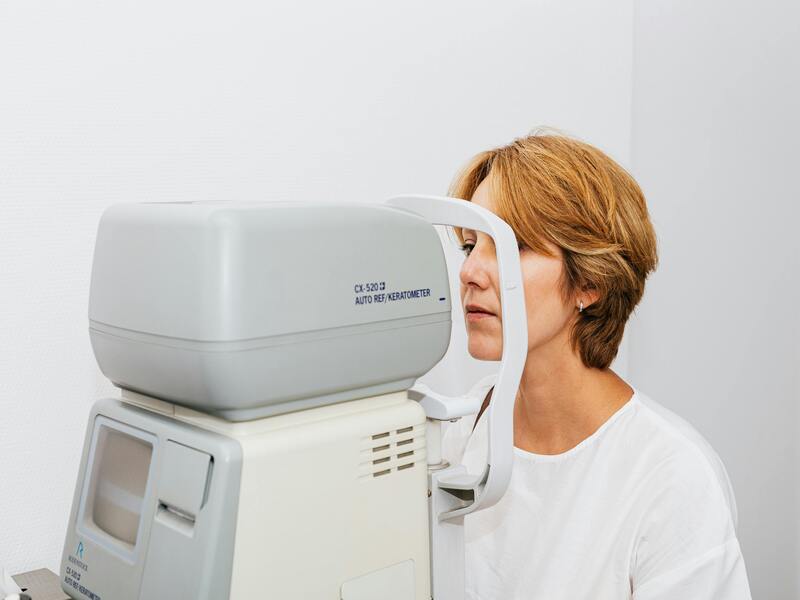
Understanding Medicaid vision benefits helps you plan eye care with confidence. (Image by Pexels)
The short answer: sometimes, but not routinely. Whether “does Medicaid cover contacts” depends on your state’s Medicaid program, your age, and whether the lenses are considered medically necessary.
4. How to Check If Your Medicaid Plan Covers Contacts?
Because rules vary by state and plan type, the best way to confirm coverage is to verify directly. Here’s how:
- Review your state Medicaid benefits handbook
- Call the number on your Medicaid ID card
- Ask your eye care provider to verify coverage before prescribing lenses
- Request written confirmation for medically necessary contact lenses
Taking these steps saves time and avoids denied claims, especially important when navigating whether “does Medicaid cover contacts” in your state.
5. Managing Medicaid Benefits Requires Reliable Access
Medicaid benefits are not static. Renewal notices, prior authorization requests, and provider communications often happen online or by phone. Missing a message can delay care or cause coverage gaps.
This is especially true for vision care approvals, where documentation and follow-ups are required to prove medical necessity. For beneficiaries asking does Medicaid cover contacts, timely communication is critical, as coverage decisions often depend on medical documentation, provider verification, and follow-up requests. Staying connected ensures you can respond quickly and protect your benefits.
6. How a Free Phone With Medicaid Can Support Ongoing Care?
Many Medicaid recipients don’t realize that healthcare access today depends heavily on connectivity, not just insurance coverage. Appointments, benefit notices, prior authorizations, and even vision care approvals are now handled primarily through phone calls, text alerts, or online portals.
This is particularly important when navigating questions like does Medicaid cover contacts, which may require coordination between eye doctors and Medicaid plans. Through the federal Lifeline program, Medicaid can qualify you for a free phone with Medicaid, making it easier to stay informed and avoid disruptions in care.
Without a reliable phone or internet access, beneficiaries may miss important updates, fail to submit required documents on time, or lose contact with providers, issues that can delay treatment or lead to denied coverage.
A free phone with Medicaid helps bridge that gap by ensuring continuous communication between you, your healthcare providers, and your Medicaid plan.
Free Phone With Medicaid as an Access Tool
A free phone with Medicaid is more than a convenience, it is a practical tool for managing ongoing healthcare needs. With consistent phone access, Medicaid recipients can:
- Receive timely Medicaid renewal reminders and eligibility notices
- Call eye care providers, specialists, and Medicaid support lines
- Access telehealth services and vision benefit portals
- Upload or submit documents needed for prior authorization
- Stay reachable for appointment confirmations, follow-ups, or coverage questions
When coverage decisions determine whether “does Medicaid cover contacts”, reliable communication becomes essential.
Missing a single call or message from your provider or Medicaid office can slow approvals or result in denied services. A free phone with Medicaid helps ensure you stay connected at every step, supporting smoother care coordination and fewer interruptions in your benefits.
- A free smartphone (in qualifying states)
- Free monthly talk, text, and data
- Nationwide coverage
- No contracts or monthly bills
Final Thoughts
So, does Medicaid cover contacts? In most cases, only when contact lenses are medically necessary and properly documented. Routine contact lenses for everyday vision correction are usually not covered, especially for adults.
Understanding what is not covered under Medicaid, what insurance covers contact lenses, and staying connected through programs like Lifeline can help you navigate your options more confidently. With the right information, and reliable access, you can make informed decisions about your vision care without unexpected costs.
Related SenGov Guides
- Does Medicaid Cover Vision? 7 Essential Facts You Should Know About Eye Care Benefits
- 3 Things to Know Before Choosing a Pediatric Dentist Near Me That Accepts Medicaid
- Does Medicaid Cover Dental Implants? 7 Critical Facts You Should Know
- Does Medicaid Cover LASIK? What Patients Need to Know Before Surgery