
On This Page
Sleep apnea is a serious medical condition that affects breathing during sleep and increases the risk of heart disease, stroke, and daytime fatigue. For patients diagnosed with this condition, CPAP therapy is often essential, but the cost of equipment can be a major concern. This leads many patients to ask: “Does Medicaid cover CPAP machines?”
The answer is often yes, but coverage depends on medical necessity, proper documentation, and state Medicaid rules. This guide explains how CPAP coverage works under Medicaid, what is required for approval, and what options exist if affordability remains an issue.
1. Does Medicaid Cover CPAP Machines?
In most states, Medicaid does cover CPAP machines when they are medically necessary to treat diagnosed obstructive sleep apnea. CPAP devices are generally classified as durable medical equipment (DME), which Medicaid covers under specific conditions.
However, Medicaid coverage rules, replacement schedules, and documentation requirements can vary. While many plans answer “Does Medicaid cover CPAP machines” with a “yes,” approval is never automatic.
Typically, Medicaid covers:
- CPAP machines
- Necessary masks and tubing
- Replacement supplies at approved intervals
Coverage applies only after all medical and administrative requirements are met.
2. What You Need for Medicaid to Approve a CPAP Machine?

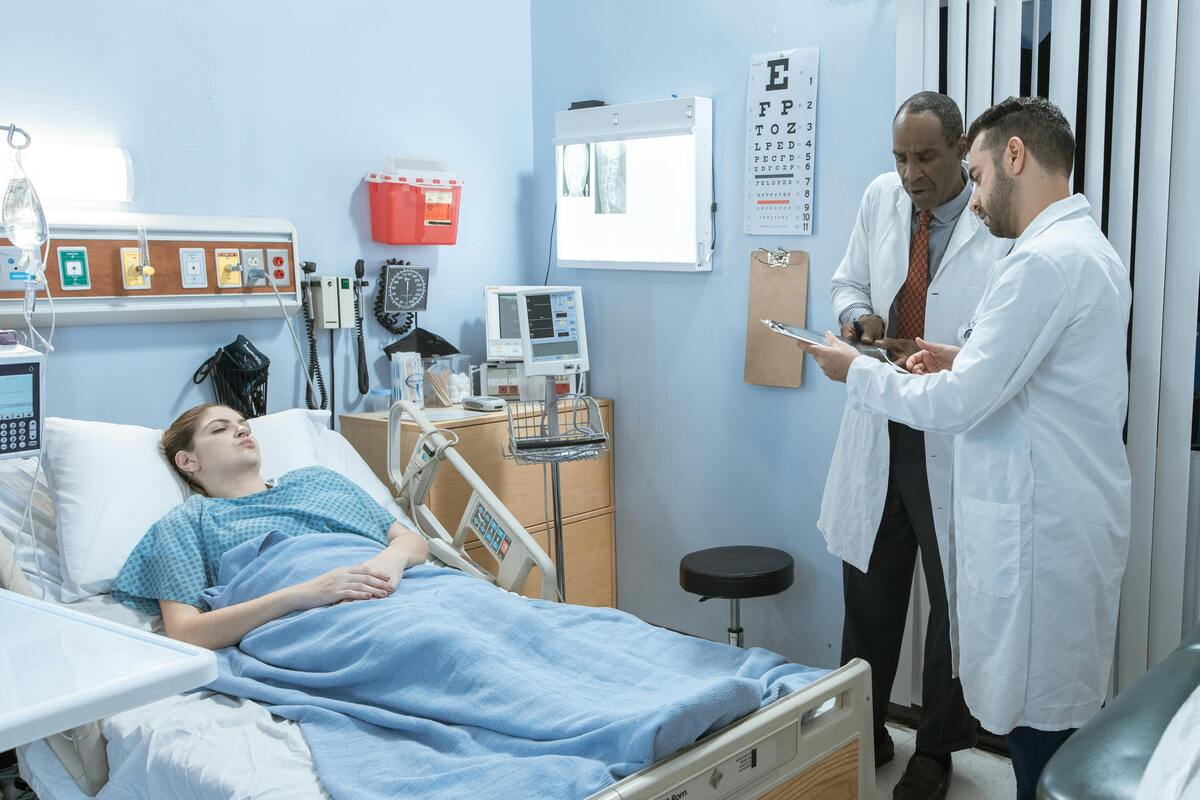
CPAP coverage under Medicaid depends on diagnosis and authorization. (Image by Pexels)
Understanding “Does Medicaid cover CPAP machines” also means understanding what Medicaid requires before approval. CPAP machines are not provided based on symptoms alone. Approval is tied to documented medical need.
Medical diagnosis and sleep study
A confirmed diagnosis of sleep apnea is required. Most Medicaid programs mandate:
- A clinical evaluation by a qualified provider
- A sleep study (in-lab or approved home study) documenting sleep apnea severity
Without a valid diagnosis, Medicaid will not approve CPAP coverage, even if symptoms are severe. This step is foundational to answering “Does Medicaid cover CPAP machines” accurately.
Prescription and prior authorization
After diagnosis, a licensed healthcare provider must issue a prescription for CPAP therapy. In many states, prior authorization is also required. This process allows Medicaid to review:
- Medical records
- Sleep study results
- Provider justification
Approval timelines vary, but incomplete paperwork is one of the most common reasons CPAP requests are delayed or denied.
3. What Can I Do If I Can’t Afford a CPAP Machine?
Many patients still ask “What can I do if I can’t afford a CPAP machine?” especially if approval is pending or denied.
If Medicaid has not yet approved coverage, you may consider:
- Asking your provider or supplier about temporary rental options
- Checking hospital-based financial assistance programs
- Exploring nonprofit organizations that assist with sleep apnea equipment
If coverage is denied, you have the right to appeal the decision. Appeals often succeed when additional medical documentation is provided.
4. Why Communication Matters During CPAP Approval?
When patients ask “Does Medicaid cover CPAP machines”, they often underestimate how much the approval process depends on timely communication. CPAP approval usually involves multiple parties, including your healthcare provider, the Medicaid office, and the durable medical equipment (DME) supplier.
During this process, you may be contacted to:
- Request additional medical records or sleep study results
- Confirm current Medicaid eligibility
- Clarify prescription details or prior authorization information
- Schedule CPAP delivery, setup, or follow-up appointments
Medicaid and DME suppliers typically work within strict processing timelines. If calls, letters, or messages go unanswered, your request may be placed on hold or returned as incomplete, even if you otherwise meet all medical requirements.
This means that missing a single call or notice can significantly delay approval, postpone treatment, or require resubmitting documents.
5. Staying Connected Helps You Get Medical Equipment Approved Faster
Reliable communication plays a critical role in medical equipment approvals. Medicaid agencies, sleep clinics, and DME suppliers rely on phone calls and notices to move applications forward.
This is where the federal** Lifeline program **becomes relevant but with an important clarification.
Lifeline does not provide free phones, data, or devices directly. Instead, it allows eligible individuals, such as those approved for Medicaid, to receive discounted or no-cost phone service through participating providers.
For patients navigating CPAP approval, staying reachable can make the difference between weeks of delay and timely treatment.
6. How Connectivity Supports Ongoing CPAP Coverage?
After a CPAP machine is approved, Medicaid coverage does not automatically continue without conditions. Many state Medicaid programs require ongoing verification to confirm that the CPAP device is being used as prescribed and remains medically necessary.
Common post-approval requirements may include:
- Proof of CPAP usage compliance, often tracked through data recorded by the machine
- Periodic equipment reviews to confirm continued medical need
- Supply replacement confirmations, such as masks, tubing, or filters, within approved timeframes
Medical equipment suppliers or Medicaid plans may contact you to request usage reports, schedule follow-ups, or resolve documentation issues. If these requests go unanswered, coverage for supplies, or in some cases the CPAP device itself, may be paused or discontinued.
This is where reliable communication becomes essential. Having consistent phone access allows patients to respond promptly to suppliers, clinics, or Medicaid caseworkers. For eligible individuals, a free phone with medicaid, received through an approved provider, not directly from Lifeline, can help ensure that important calls, messages, and notices are not missed.
Staying reachable supports uninterrupted CPAP therapy, timely supply replacements, and continued Medicaid coverage, helping patients maintain effective treatment over the long term.
Final Thoughts
So, does Medicaid cover CPAP machines? In most cases, yes, but coverage depends on medical diagnosis, proper documentation, and state-specific Medicaid rules.
If you’re asking “What can I do if I can’t afford a CPAP machine?”, options exist while waiting for approval or appealing a decision. Just as important, staying connected during the process helps prevent delays and ensures smoother coordination with Medicaid and medical suppliers.
By understanding the requirements and maintaining reliable communication, patients can access CPAP therapy more efficiently and protect their long-term health.
Related SenGov Guides
- Does Medicaid Cover a Hysterectomy? Approval Rules and Real Costs Explained
- Does Medicaid Cover CT Scans? Costs, Approval Rules, and What to Expect
- Does Medicaid Cover TMS Therapy? Approval Rules, State Differences, and Hidden Requirements in 2026
- Does Medicaid Cover Weight Loss Surgery? Eligibility, Approval, and Coverage