

On This Page
CT scans are powerful diagnostic tools that help doctors detect injuries, infections, tumors, and other serious conditions. But many patients worry about coverage and cost before scheduling imaging. A very common question is: Does Medicaid cover CT Scans?
In many cases, yes, but only when specific medical and authorization rules are met. In this guide, we’ll explain when does Medicaid cover CT Scans, what approvals you may need, and what to expect if coverage is denied.
1. Does Medicaid Cover CT Scans?
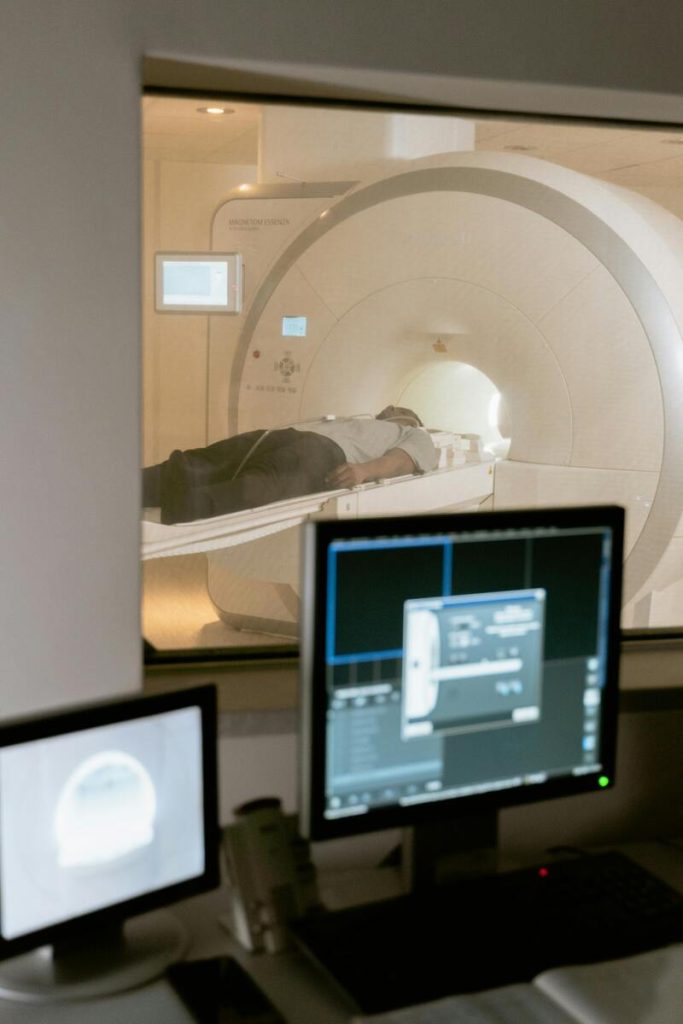
Patient checking does Medicaid cover CT scans before scheduling a diagnostic imaging appointment. (Image by Pexels)
In most states, Medicaid covers CT Scans when medically necessary. Medicaid generally pays for diagnostic imaging that a qualified provider orders to evaluate a medical condition.
However, coverage is not automatic. Whether does Medicaid cover CT Scans applies depends on:
- Medical necessity
- Proper physician order
- Prior authorization (in many cases)
- Use of an in-network imaging provider
- State Medicaid rules
If these requirements are met, Medicaid typically covers the scan with little or no cost to the patient.
2. When a CT Scan Is Considered Medically Necessary
The key factor behind “Does Medicaid cover CT Scans” is medical necessity. Your doctor must document that the scan is needed to diagnose or manage a specific health concern.
Common medically necessary reasons include:
- Head injuries or suspected brain conditions
- Severe abdominal pain
- Suspected internal bleeding
- Tumor evaluation
- Stroke symptoms
- Serious infections
- Complex fractures
If the scan is ordered for screening or convenience rather than clear clinical need, Medicaid may deny coverage, even if patients believe “Will Medicaid cover a CT scan?” should be yes.
Proper documentation from your provider is critical.
3. Do You Need Prior Authorization for a CT Scan With Medicaid?
In many states, yes. Prior authorization is one of the biggest factors affecting whether “Does Medicaid cover CT Scans” results in approval.
Prior authorization means:
- Your doctor submits a request to Medicaid (or the managed care plan)
- The plan reviews medical necessity
- Approval must be granted before the scan (in most cases)
Not all CT scans require pre-approval, but many non-emergency outpatient scans do.
Important: Emergency room CT scans are often handled differently and may not require advance authorization.
Because policies vary, always ask your provider or plan when confirming Does Medicaid cover CT Scans for your specific situation.
4. How Much Is It to Pay for a CT Scan Without Medicaid?
Many patients understandably ask “How much is it to pay for a CT scan?”
Without insurance, CT scan costs can vary widely based on:
- Body area scanned
- Facility type
- Geographic location
- Use of contrast dye
Typical self-pay ranges:
- Basic CT scan: $300–$1,000
- With contrast: $500–$3,000+
- Hospital-based imaging: often higher
These costs explain why confirming “Does Medicaid cover CT Scans” before scheduling is so important.
If you do not have coverage, ask providers about:
- Cash-pay discounts
- Imaging centers vs. hospitals
- Payment plans
- Financial assistance programs
5. What to Do If Medicaid Denies Your CT Scan
Even when medically necessary, coverage is not always approved on the first try. Understanding why Medicaid covers CT Scans sometimes results in denial can help you respond quickly.
Common Reasons Medicaid May Deny a CT Scan
Denials often occur due to:
- Lack of documented medical necessity
- Missing prior authorization
- Out-of-network imaging provider
- Duplicate or recent imaging
- Incomplete clinical notes
- Incorrect billing codes
If your plan says no, don’t panic, many denials can be fixed.
Steps to Take After a Denial
If your CT scan is denied:
- Ask your provider for the denial reason
- Request prior authorization if missing
- Submit additional medical records
- Confirm the imaging center is in-network
- File an appeal with your Medicaid plan
Many patients ultimately receive approval after correcting documentation issues related to “Does Medicaid cover CT Scans.”
CT scans rarely happen in a single step. Patients often move through a chain of updates, prior authorization reviews, imaging center scheduling, reminder calls, and results follow-ups. During this process, staying reachable can make a real difference in how quickly care moves forward.
Many Medicaid members rely heavily on their phones to keep track of:
- Authorization approvals
- Imaging appointment confirmations
- Provider instructions
- Patient portal alerts
- Rescheduling requests
When connectivity is unreliable, delays can happen.
For patients managing imaging appointments after asking “Does Medicaid cover CT scans”, dependable phone access can play a practical role in staying on track with approvals, scheduling, and follow-up care.
Eligible applicants may receive access to a range of device and service options, which often include:
- Free smartphone choices from popular brands such as Apple iPhone (select models), Samsung Galaxy series, Motorola devices, and other Android phones (availability rotates)
- Monthly talk, text, and data service designed to support ongoing communication with healthcare providers
- Bring Your Own Device (BYOD) capability for users who prefer to keep their current compatible phone
- Discounted tablet opportunities in certain promotions, which can be useful for telehealth visits or patient portal access
- Nationwide network coverage to help users stay reachable at home or on the go
Many Medicaid households use these features to manage real-world healthcare tasks like confirming imaging times, receiving authorization updates, accessing electronic health records, and communicating with care teams.
Because CT scan approvals and scheduling often involve multiple touchpoints, having consistent wireless service can help reduce missed calls and avoid unnecessary delays in care.
Final Thoughts
For most medically necessary situations, the answer to “Does Medicaid cover CT Scans” is yes, but approval depends on proper documentation, prior authorization when required, and using an in-network provider.
Before scheduling imaging, always confirm coverage details with your doctor and Medicaid plan. If a denial occurs, review the reason carefully, many issues can be corrected through resubmission or appeal.
Staying organized, proactive, and connected throughout the process can help ensure you receive the diagnostic care you need without unnecessary delays or costs.