

On This Page
Does Medicaid cover home health care is a common question for patients who need medical support at home instead of in a hospital or nursing facility. Medicaid does provide home health care coverage in many situations, but the benefit follows strict rules tied to medical necessity, provider approval, and state-specific policies.
Coverage can vary by service type, hours allowed, and how care is managed, which often leads to confusion for patients and caregivers. This guide explains how Medicaid home health care works, who qualifies, what services are covered, and what limits apply.
1. Does Medicaid Cover Home Health Care
Yes. does Medicaid cover home health care is generally answered with yes, but only when care is medically necessary and approved under Medicaid rules. Medicaid can pay for home health care services when a patient needs medical support at home instead of treatment in a hospital or nursing facility.

Medicaid covers home health care when services are medically necessary, approved by a doctor, and provided through a Medicaid-approved agency. (Image by Unsplash)
Home health care under Medicaid focuses on health-related services, not general household help. Coverage usually requires a doctor’s order and must be delivered by a Medicaid-approved home health agency.
Coverage rules vary by state. For example, many people ask does Florida Medicaid cover home health care, and the answer is yes when services are medically necessary and part of an approved care plan. As in other states, Florida Medicaid requires physician authorization and ongoing review of the patient’s condition.
Medicaid does not automatically approve home health care just because someone prefers to stay at home. Approval depends on medical need, functional limitations, and whether home care is considered appropriate for the patient’s condition.
2. What Types of Home Health Care Medicaid Covers
Medicaid covers several categories of home health care services when they are medically required. The exact scope depends on state policy and the patient’s care plan.
Skilled Nursing and Medical Care
Medicaid covers skilled nursing care at home when services must be provided by a licensed nurse. These services are ordered by a physician and are tied directly to medical treatment.
Covered nursing care may include wound care, injections, medication management, monitoring chronic conditions, and post hospital recovery. Skilled nursing visits are usually limited in duration and reviewed regularly to confirm continued medical necessity.
Therapy Services at Home
Medicaid may cover therapy services at home, including physical therapy, occupational therapy, and speech therapy. These services are approved when they help treat a medical condition or support recovery and daily functioning.
Therapy must be prescribed by a healthcare provider and delivered by licensed professionals. Coverage is often based on measurable progress and ongoing need.
Home-based therapy is commonly used after surgery, injury, stroke, or illness that limits mobility or communication.
Home Health Aide Services
Medicaid can cover home health aide services when they support medical care. Home health aides assist with personal care tasks such as bathing, dressing, mobility, and basic daily activities related to health.
Home health aide services are usually approved alongside skilled nursing or therapy services. They are not intended to replace family caregivers or provide full-time personal assistance.
Many applicants also ask how many hours of home health care does Medicaid cover. There is no fixed number that applies nationwide. Approved hours depend on medical necessity, the type of service provided, and state-specific limits. Some patients receive only a few hours per week, while others with more complex medical needs may qualify for more frequent visits.
Medicaid reviews care plans regularly, and approved hours can increase or decrease as a patient’s condition changes.
3. Who Qualifies for Medicaid Home Health Care
Qualifying for Medicaid home health care depends on both medical need and basic Medicaid eligibility. Coverage is not based on age alone or personal preference. Patients must meet specific requirements tied to health condition and functional ability.
Medical Necessity Requirements
Medicaid home health care is approved only when services are medically necessary. This means a healthcare provider must determine that home-based care is required to treat, manage, or monitor a medical condition.
Medical necessity usually involves one or more of the following:
- A condition that requires skilled nursing or therapy services
- Limited mobility or functional ability that makes clinic visits difficult
- Ongoing treatment needs following hospitalization or illness
- A health condition that can be safely managed at home with professional support
A physician must order home health care services and confirm that care at home is appropriate. Medicaid reviews this information before approving services and may request updates if the patient’s condition changes.
Medicaid Eligibility Basics
In addition to medical necessity, the patient must be actively enrolled in Medicaid. Standard Medicaid eligibility rules apply, including income limits and program-specific requirements.
Some Medicaid categories, such as those tied to disability or long-term care, may involve additional eligibility reviews. Approval for home health care does not change basic Medicaid enrollment rules.
Because Medicaid is administered by each state, eligibility details can vary. Patients should confirm their enrollment status and coverage category before requesting home health services.
4. How Medicaid Home Health Care Is Approved and Managed
Once eligibility and medical necessity are established, Medicaid home health care follows a structured approval and management process.
Referral and Care Plan Process
Home health care usually begins with a referral from a doctor or hospital. The healthcare provider evaluates the patient’s condition and determines which services are needed.
A care plan is then created, outlining:
- The type of services approved
- How often will visits occur
- Which licensed professionals will provide care
- How progress will be monitored
The care plan must be approved by Medicaid and delivered by a Medicaid approved home health agency. Medicaid may review the plan regularly to confirm that services remain medically necessary.
Changes to the care plan, including visit frequency or service type, require updated documentation and approval.
Why Communication Matters During Home Care
Communication is a key part of successful home health care. Providers, home health agencies, and Medicaid offices rely on timely communication to coordinate visits, update care plans, and address changes in medical condition.
Missed calls or delayed responses can lead to skipped visits, delays in treatment, or interruptions in approved services. Clear communication helps ensure that care continues as planned and that adjustments are made when needed.
For patients receiving care at home, staying reachable supports consistent treatment and smoother coordination between medical providers and Medicaid.
5. How Lifeline Helps Medicaid Users Stay Connected During Home Health Care
Home health care depends on steady communication. Nurses, therapists, and home health agencies often call to confirm visit times, report changes in care, or request updated information. Medicaid offices may also need to reach patients to review or renew approved services.
Medicaid Recipients Automatically Qualify for Lifeline
Lifeline is a federal assistance program that provides a monthly discount on phone or internet service for eligible low-income households. Active Medicaid enrollment qualifies users for Lifeline under program-based eligibility.
Lifeline itself does not provide phones or wireless service directly. Instead, Medicaid users apply through FCC-approved Lifeline providers. These providers deliver the actual service plans and may also offer free or discounted devices, such as smartphones or tablets, as part of their own promotions.
For many patients, access to a free phone with Medicaid through a Lifeline provider helps keep communication consistent during home health care. Staying reachable allows patients to confirm appointments, respond to care plan updates, and avoid missed visits that can interrupt treatment.
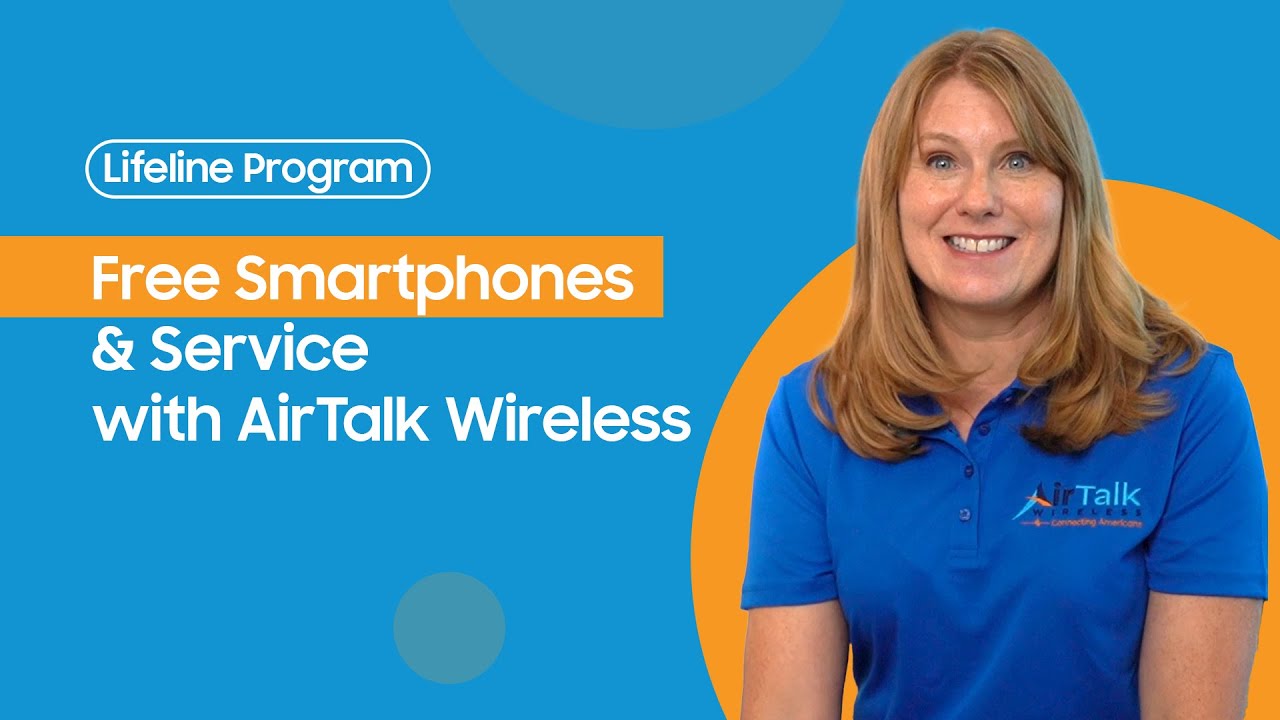
- Free or discounted phones through Lifeline-supported plans
- Free monthly talk and text for approved users
- Mobile data access for care coordination
- Online application support using Medicaid eligibility
- Ongoing service without long-term contracts
For patients receiving home health care, this phone access helps ensure they can stay in contact with nurses, therapists, home health agencies, and Medicaid offices throughout their care period.
Conclusion
So, does Medicaid cover home health care? In many cases, yes, when services are medically necessary and properly approved. Coverage depends on the type of care, provider authorization, and state rules.
Related SenGov Guides
- Does Medicaid Cover Physical Therapy? Coverage Limits, Adult Benefits, and At-Home Care Explained
- Does Medicaid Cover Birth Control in 2026? Covered Methods, Rules, and Eligibility Explained
- PA Medicaid Income Limits for Seniors: Eligibility Rules Explained
- Do Retirement Accounts Count as Assets for Medicaid? Rules, Exceptions, and Eligibility Explained