
On This Page
Medicaid often covers home health care services, including skilled nursing, therapy, and personal assistance, helping eligible individuals receive care safely at home. Coverage under does Medicaid cover home health care depends on state rules and medical necessity, so beneficiaries should review their specific Medicaid plan for accurate details.
1. What Is Home Health Care?
Home health care refers to a range of medical and therapeutic services provided in a patient’s own home, designed to support recovery, manage chronic conditions, or assist those with limited mobility without requiring a hospital or facility stay.
This type of care is delivered by licensed professionals such as registered nurses, physical therapists, occupational therapists, and other specialists who create individualized care plans based on each person’s needs. Home health care can include skilled nursing, wound management, medication monitoring, rehabilitation therapies, and support for daily health tasks, all in the comfort of familiar surroundings.
The goal is to help patients heal from illness or injury, prevent hospital readmissions, and maintain independence while receiving high-quality medical care at home. This approach is often more cost-effective and convenient than long-term facility care, making it a valuable option for many families.
2. Medicaid and Its Support for Home Health Care

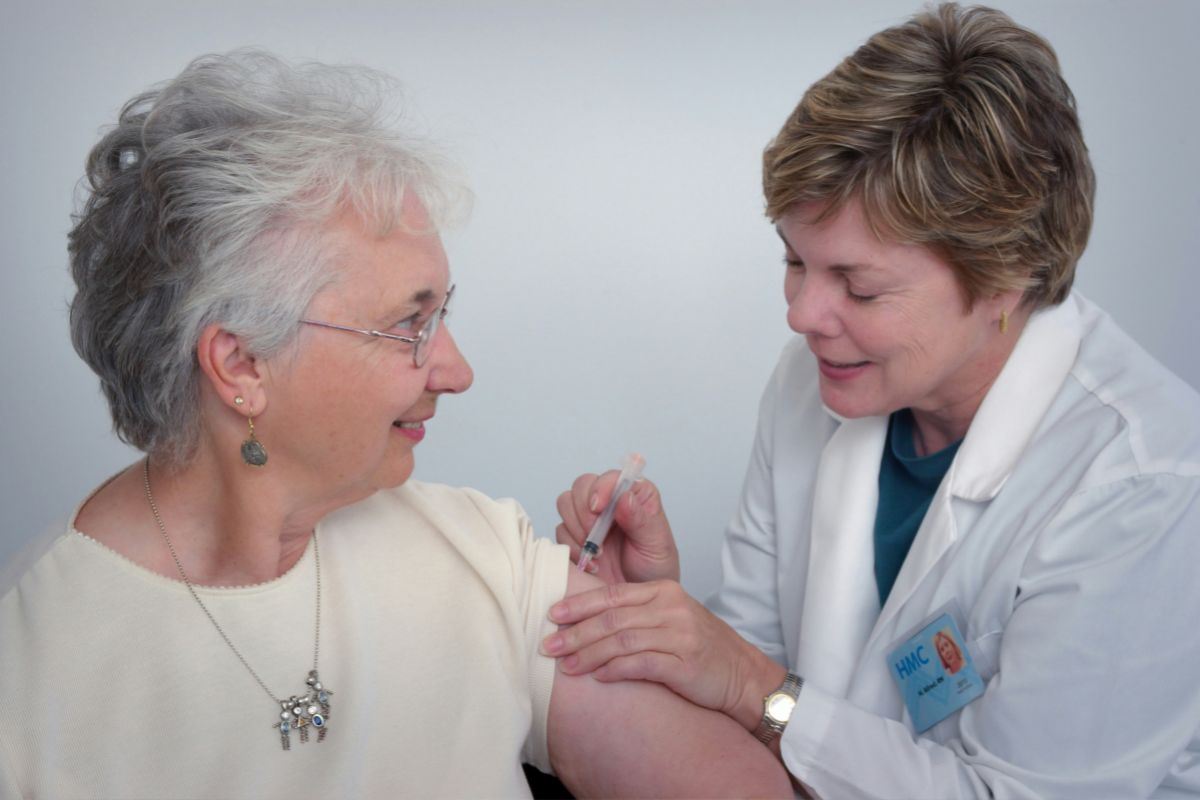
Explore how and does Medicaid cover home health care. (Image by Unsplash)
Medicaid is the primary payer for long-term home health care in the United States, supporting over 5.1 million Medicaid enrollees who use home care. The program helps eligible low-income seniors and individuals with disabilities receive skilled nursing, personal care, and therapy services while remaining outside of nursing facilities.
Through Home- and Community-Based Services (HCBS), Medicaid funds state-specific programs that allow beneficiaries to receive care at home, with family caregivers, or in assisted living settings, promoting independence and reducing the need for institutional care.
3. Does Medicaid Cover Home Health Care?
Yes, Medicaid does cover home health care, including medical services such as skilled nursing and physical, occupational, or speech therapy, as well as non-medical assistance like help with activities of daily living (ADLs). However, the scope of coverage, eligibility rules, and service limits vary significantly by state, so beneficiaries should always check their specific Medicaid plan details.
4. Types of Home Health Care Services Medicaid May Cover
Medicaid home health benefits are designed to help eligible individuals receive essential care while remaining safely at home. While coverage varies by state, many Medicaid programs pay for a range of medical and supportive services that address both health needs and daily living assistance.
Skilled Medical Services at Home
Medicaid may cover medically necessary skilled nursing care, including wound care, injections, medication management, and monitoring chronic conditions. Doctor-ordered therapy services such as physical, occupational, and speech therapy are also commonly covered when they help maintain or improve daily functioning. These services directly answer the question what does Medicaid pay for home health care? and must meet medical-necessity rules.
Personal Care and Support Services
Through Home- and Community-Based Services (HCBS) waivers, Medicaid often pays for personal care assistance, such as help with bathing, dressing, eating, toileting, and mobility. Some state programs also include limited homemaker services, meal preparation, and caregiver support when these services are essential for the person to safely remain at home rather than enter institutional care.
Services Medicaid Typically Does Not Cover
Understanding what is not covered under Medicaid is just as important.
Medicaid generally does not pay for 24/7 live-in care, private housekeeping unrelated to medical needs, rent or housing costs, or non-medical convenience services. Coverage varies by state, so beneficiaries should always review their specific Medicaid plan for exact home health care benefits.
5. Why Reliable Phone Access Matters for Medicaid Home Health Care
Reliable phone access plays a critical role in making Medicaid home health care work smoothly, especially for seniors and individuals managing ongoing medical needs at home. For many beneficiaries, having a free phone with Medicaid ensures they can stay connected to care teams, support services, and state programs without added financial stress.
Coordinating Care, Appointments, and Home Visits
Home health care often involves multiple providers, including nurses, therapists, and personal care aides. A reliable phone allows patients and caregivers to confirm visit schedules, respond quickly to changes, and avoid missed appointments that could disrupt care. For Medicaid recipients, consistent communication helps ensure services are delivered as approved and on time.
Using Telehealth and Care Management Tools
Many Medicaid programs now support telehealth check-ins, remote monitoring, and digital care coordination tools. With dependable phone access, beneficiaries can attend virtual visits, receive follow-up instructions, and communicate symptoms early, reducing unnecessary hospital visits and improving care continuity.
Staying Connected With Caseworkers and Providers
Medicaid home health care often requires ongoing contact with caseworkers for eligibility reviews, service approvals, and care plan updates. Having a phone makes it easier to ask questions, submit documentation, and resolve issues quickly, helping beneficiaries maintain uninterrupted home health services.
Step 1: Check Eligibility
Before applying with any provider, take a moment to confirm that you qualify. You can do this through your participation in assistance programs like Medicaid, SNAP, SSI, or Federal Public Housing Assistance, or by meeting income-based requirements.
It’s a smart idea to prepare documents in advance, such as proof of address and proof of program participation or income, so the application goes smoothly later.
Step 3: Enter Required Information and Documents
During the application, you’ll be asked to provide basic personal details such as your full name, date of birth, home address, and the last four digits of your Social Security number. In many cases, eligibility can be verified automatically. If not, the system may request that you upload documents showing Medicaid enrollment or income to complete verification.
Step 4: Complete Application and Wait for Delivery