
On This Page
If you are asking, does Medicaid cover incontinence supplies, the answer depends on medical necessity and your state’s Medicaid rules. Incontinence products such as adult briefs, protective underwear, underpads, and related supplies may be covered when prescribed by a healthcare provider.
However, coverage is not automatic and often requires documentation, prior authorization, or supplier verification. Understanding when Medicaid pays for incontinence supplies and how to request them properly can help prevent delays and ensure you receive the products you need.
1. Does Medicaid Cover Incontinence Supplies?
Many people ask, does Medicaid cover incontinence supplies, especially when these products are needed daily. In many states, the answer is yes, but only when they are considered medically necessary and prescribed by a licensed healthcare provider.
A common related question is: Are incontinence products considered medical supplies? In most Medicaid programs, they are classified as disposable medical supplies or durable medical equipment when used to treat a documented medical condition. This means items such as adult briefs, protective underwear, underpads, and liners may be covered if a provider confirms the medical need.
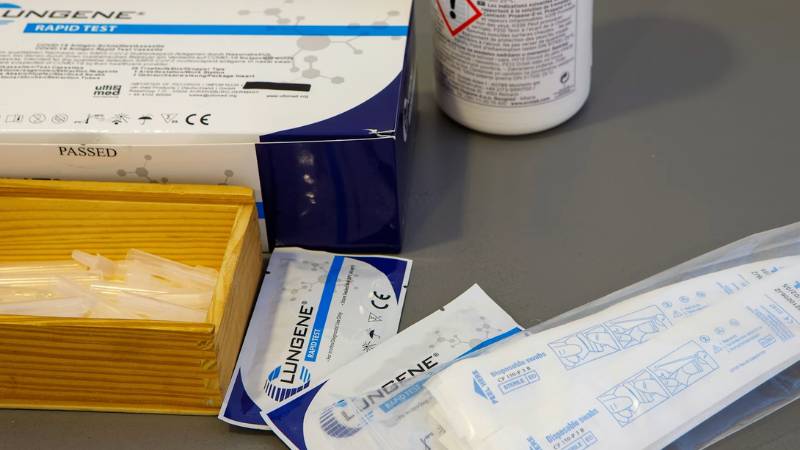
Medicaid may cover incontinence supplies such as adult briefs and underpads when they are medically necessary and prescribed by a licensed provider, but coverage rules and approval requirements vary by state. (Image by Unsplash)
Coverage typically requires:
- A formal diagnosis causing incontinence
- A prescription or medical order
- Documentation supporting ongoing need
- Use of a Medicaid-approved medical supplier
It is important to understand that buying products over the counter without a prescription usually does not qualify for reimbursement. Many Medicaid programs also set monthly quantity limits based on medical necessity.
Because Medicaid rules vary by state, checking your specific plan’s coverage policy is essential before ordering supplies independently.
2. Who Qualifies for Incontinence Supplies Through Medicaid
Qualifying for incontinence supplies depends on both Medicaid enrollment and medical documentation. Being approved for Medicaid alone does not automatically guarantee supply coverage. A provider must confirm that incontinence is related to a diagnosable medical condition requiring ongoing use of supplies.
Individuals who may qualify include:
- Children with developmental or neurological disorders
- Adults with chronic illnesses affecting bladder control
- Seniors with medically documented incontinence
- Patients recovering from certain surgeries
- Individuals receiving home health services
Some families also ask, what free stuff can you get with Medicaid? Medicaid may cover doctor visits, hospital services, prescription medications, preventive screenings, and certain medically necessary equipment and supplies. Incontinence products fall into this category only when they meet state medical necessity criteria.
Once approved, supplies are typically ordered through a contracted medical supplier that bills Medicaid directly. Proper documentation from your healthcare provider plays a critical role in determining whether your request is approved without delay.
3. How to Get Free Incontinence Supplies With Medicaid
If you are wondering how to get free incontinence supplies with Medicaid, the process usually involves coordination between your healthcare provider, your Medicaid plan, and an approved medical supplier. Supplies are not automatically shipped simply because you are enrolled in Medicaid.
Here is how the process typically works:
First, speak with your primary care provider or specialist. The provider must document a medical diagnosis related to incontinence and confirm that ongoing supplies are medically necessary. This documentation often includes the frequency of use and the estimated monthly quantity.
Second, obtain a prescription or written medical order. Many Medicaid programs require a formal prescription before a supplier can process the request.
Third, choose a Medicaid-approved medical supply company. Not all suppliers participate in every Medicaid managed care plan, so confirming network participation is important.
Fourth, the supplier may submit paperwork to your Medicaid plan for authorization. Some states require prior authorization before shipments begin.
Finally, once approved, supplies are typically delivered to your home on a recurring schedule. You may need periodic renewal documentation to continue receiving shipments.
Because each state sets its own Medicaid policies, timelines and documentation requirements may vary.
4. Why Incontinence Supply Requests Often Get Delayed or Denied
Even when medical necessity is clear, supply requests can face delays. Understanding common issues can help you prevent interruptions.
- Incomplete Documentation: If the prescription does not clearly state diagnosis, quantity, or duration of need, the supplier may be unable to process the request.
- Missing Prior Authorization: Some Medicaid plans require formal approval before supplies are shipped. If authorization is not submitted or approved, delivery cannot proceed.
- Quantity Limits: Most Medicaid programs impose monthly caps. Requests exceeding those limits may be denied unless additional medical justification is provided.
- Non-Participating Supplier: Ordering through a company that does not contract with your specific Medicaid plan can result in automatic rejection.
- Expired Medical Orders: Prescriptions may need renewal after a certain period. If documentation is outdated, shipments may pause until updated paperwork is submitted.
Proactively confirming requirements with both your provider and the supplier can significantly reduce the risk of denial or shipment delays.
5. Missed Calls Can Delay Your Incontinence Supply Approval
When asking, does Medicaid cover incontinence supplies, most people focus on prescriptions and paperwork. What often gets overlooked is communication. Incontinence supply requests usually involve coordination between your doctor, your Medicaid plan, and a medical supplier. If one step stalls, shipments may pause.
A missed call can mean your order sits in review instead of moving forward.
How Medicaid and Suppliers Confirm Incontinence Supply Requests
After your provider submits documentation, suppliers often verify details before shipping. This may include:
- Confirming diagnosis and prescription details
- Verifying Medicaid eligibility is active
- Checking monthly quantity limits
- Clarifying shipping address
- Requesting updated documentation if needed
Sometimes the supplier calls to confirm usage frequency or to explain partial approvals if quantity limits apply. Medicaid plans may also reach out directly if additional clarification is required.
If there is no response, suppliers may place the order on hold. Unlike retail purchases, medical supply orders tied to Medicaid cannot move forward without complete verification.
For families relying on regular shipments, even a short delay can disrupt daily care routines.
Why Reliable Phone Access Helps You Get Supplies Faster
Staying reachable can make the difference between a shipment going out this week or next month. Supply companies often work on tight authorization timelines. Quick confirmation calls help prevent resubmissions, expired paperwork, or unnecessary denials.
For households with limited income, maintaining stable phone service is not always easy. Service interruptions, changed numbers, or limited minutes can make it harder to respond when suppliers or Medicaid representatives call.
The Lifeline program is a federal initiative designed to help eligible low-income households reduce the cost of phone or internet service. While Lifeline does not decide whether Medicaid covers incontinence supplies, it helps ensure that individuals can stay connected during approval and renewal periods.
Consistent phone access cannot change Medicaid policy, but it can help you respond quickly, confirm details, and avoid unnecessary shipment delays when requesting incontinence supplies.
Conclusion
So, does Medicaid cover incontinence supplies? In many cases, yes, when they are medically necessary and properly documented. Approval depends on diagnosis, prescription details, supplier participation, and clear communication throughout the process. Understanding the requirements and staying responsive during verification can help you secure ongoing shipments without avoidable interruptions.