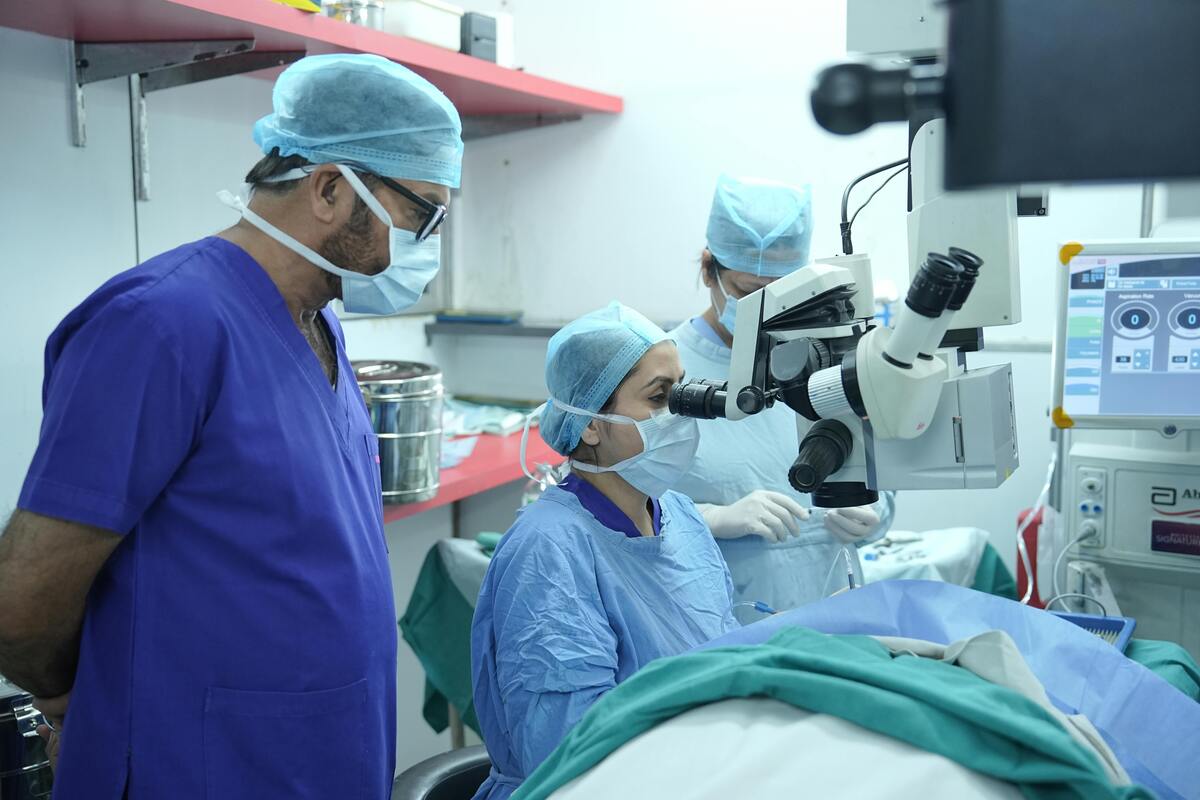

On This Page
LASIK eye surgery has helped millions of people reduce their dependence on glasses and contact lenses. However, for patients relying on public health coverage, one question comes up repeatedly: Does Medicaid cover LASIK?
Understanding how Medicaid views LASIK is essential before considering surgery, especially since vision correction can involve high out-of-pocket costs.
This article explains whether LASIK is covered, who may qualify, who does not, and what alternative benefits Medicaid recipients can still access. All information is based on official guidance from Medicaid and Medicare.
1. Does Medicaid Cover LASIK Surgery?
In most cases, the answer is simple: No. Medicaid generally does not cover LASIK because it is classified as an elective or cosmetic procedure rather than a medically necessary treatment.
LASIK is designed to correct refractive errors such as nearsightedness, farsightedness, and astigmatism. While these conditions affect vision quality, they are typically manageable with glasses or contact lenses. Medicaid prioritizes treatments that are essential to prevent illness, disability, or serious health complications.
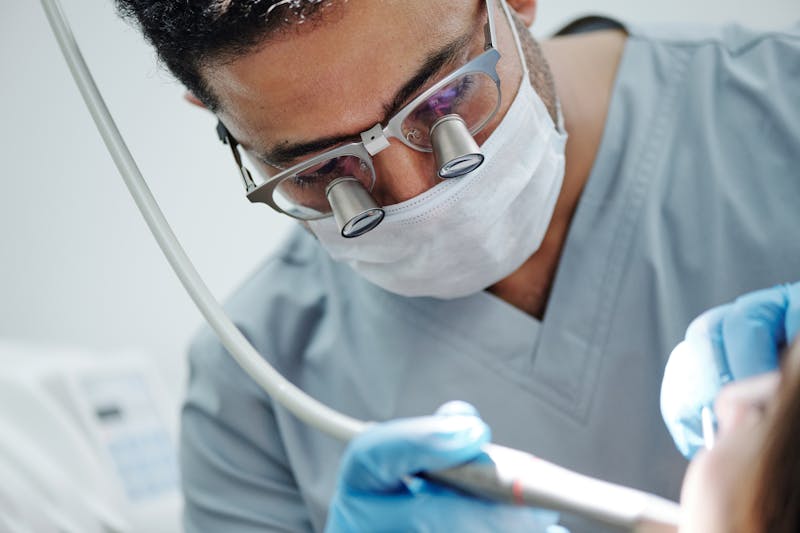
Does Medicaid cover LASIK? Can you get LASIK surgery with Medicaid? (Image by Pexels)
Does Medicaid cover LASIK? It is usually answered in the negative across most states. Only extremely rare medical exceptions may be considered, and even then, approval is uncommon.
2. Can You Get LASIK Surgery With Medicaid? Eligibility Explained
Many patients still ask “Can you get LASIK surgery with Medicaid”. The reality is that eligibility is extremely limited and highly dependent on strict medical criteria and state policies.
Medical Requirements
For LASIK to even be considered, the procedure would need to be deemed medically necessary rather than elective. This would require documentation showing that standard vision correction methods, such as glasses or contact lenses, are ineffective or medically contraindicated.
Examples might include severe corneal disease, trauma, or other rare conditions where traditional lenses cannot be used safely. Even in these cases, Medicaid often favors alternative medical treatments over LASIK surgery.
This is why, in practical terms, “Does Medicaid cover LASIK?” remains no for the overwhelming majority of beneficiaries.
State-by-State Differences
Medicaid programs are administered at the state level, which means coverage rules can vary. Some states provide broader adult vision benefits than others, but LASIK is still almost universally excluded.
3. Who Is Not Eligible for LASIK Surgery?
Understanding who is not eligible for LASIK is important regardless of insurance status.
LASIK is not suitable for everyone, even if someone is willing to pay out of pocket.
Patients may be ineligible if they have unstable vision prescriptions, thin corneas, certain autoimmune disorders, uncontrolled diabetes, severe dry eye syndrome, or eye infections. Pregnant individuals are also typically advised to wait due to temporary vision changes.
4. More Benefits If You’re on Medicaid
Although LASIK itself is not covered, Medicaid eligibility often opens the door to other valuable benefits that support overall daily life.
Did You Know You May Qualify for a Free Phone or Tablet?
Medicaid recipients are automatically eligible for the Lifeline program that provides communication support.
By lowering the cost of phone and internet access, Lifeline helps millions of Americans stay connected to the services they rely on every day.
Through participating Lifeline providers, eligible individuals, including Medicaid recipients, may receive a** free smartphone or a discounted tablet**, along with free or low-cost monthly service that includes talk, text, and data.
Staying connected helps patients manage appointments, communicate with healthcare providers, and access telehealth services. Lifeline benefits help ensure that financial barriers do not prevent individuals from maintaining their health or staying informed.
How To Apply for a Free Phone with Medicaid:
- Browse and select from the available Lifeline plans, then choose your preferred devices, including smartphones, tablets, smartwatches, and device bundles. Available device options may vary by inventory and location.
- Enter basic personal details and select your eligibility method. Since you’re a Medicaid recipient, choose the Medicaid option. Medicaid participation automatically qualifies you for Lifeline.
- Upload the documents if required.
- Carefully review all your information for accuracy, then submit it for review. Once approved, your free or discounted device will be shipped to your address.
5. FAQs
Does Medicaid Cover Vision Care at All?
The answer is yes, but coverage is limited.
For children, Medicaid must cover comprehensive vision services, including exams and corrective lenses. For adults, vision coverage is optional for states and varies widely. Many states cover eye exams and glasses, but not elective procedures like LASIK.
Is LASIK Eye Surgery Covered by Medicare?
Original Medicare does not cover LASIK or other refractive surgeries. Like Medicaid, Medicare considers LASIK elective.
Some Medicare Advantage plans may offer vision discounts or partnerships, but full LASIK coverage is still rare. Patients should always check plan details carefully.
What to Do If You Want LASIK but Medicaid Won’t Cover It?
If Medicaid does not cover LASIK, patients still have options. Some eye surgery centers offer financing plans, payment installments, or discounts for upfront payment. Others partner with medical credit providers.
It is also wise to consult an ophthalmologist to explore non-surgical alternatives or confirm whether surgery is truly necessary. Understanding the risks, benefits, and long-term outcomes is critical before pursuing LASIK independently.
Final Thoughts
So, does Medicaid cover LASIK? In almost all cases, the answer is no. LASIK is classified as an elective vision correction procedure and falls outside Medicaid’s definition of medically necessary care.
While it is technically possible to get LASIK surgery with Medicaid in extremely rare situations, most patients should not expect coverage. However, Medicaid still plays a vital role in covering essential vision care, eye exams, and treatment for eye diseases.
Additionally, Medicaid eligibility may unlock other valuable support programs, such as communication assistance through Lifeline. Understanding the full scope of benefits helps patients make informed decisions and plan realistically for their vision care needs.