

On This Page
1. Does Medicaid Cover LASIK?
No, Medicaid generally does not cover LASIK surgery. Medicaid considers LASIK an elective vision correction procedure, meaning it is not medically necessary to treat or prevent disease. Because glasses or contact lenses are accepted alternatives, LASIK is classified as optional in most states.
This often leads people to ask, What makes LASIK medically necessary? In limited circumstances, such as severe eye trauma, corneal damage, or conditions where corrective lenses cannot restore functional vision. A state Medicaid program may review LASIK on a case-by-case basis. These situations usually require detailed medical documentation and prior authorization.
2. What Vision Services Does Medicaid Actually Cover?
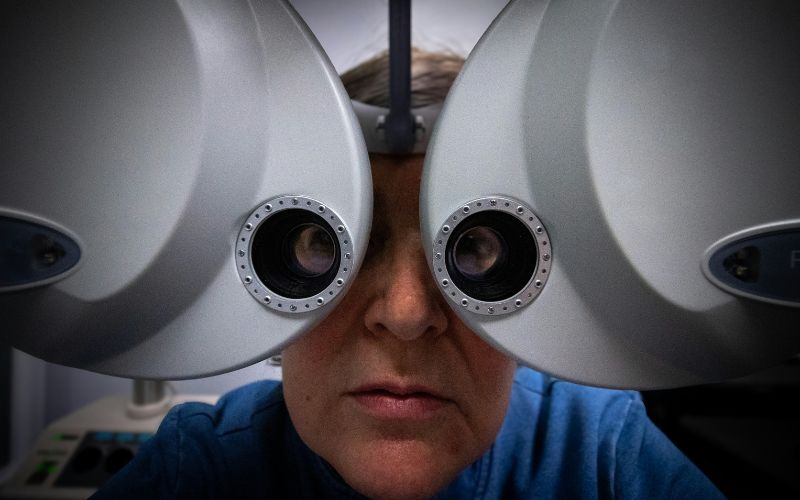
People searching for “Does Medicaid cover LASIK?”. (Image by Unsplash)
Medicaid vision benefits vary by state, but many plans include essential eye care services beyond elective procedures, such as LASIK in the question “Does Medicaid cover LASIK?”.
Understanding what specific vision services are covered can help you get the care you need without unexpected costs, especially if you’re wondering, How much is LASIK eye surgery with Medicaid?, since the procedure is usually not covered and must be paid out of pocket.
Eye Exams Covered By Medicaid
Although the answer to ” Does Medicaid cover LASIK?” is no, it does cover routine eye exams for children under federal Early and Periodic Screening, Diagnostic, and Treatment (EPSDT) requirements. For adults, eye exam coverage depends on state Medicaid rules but often includes medically necessary exams related to infections, injuries, or chronic eye conditions. Exam frequency may vary by state, typically ranging from once a year to every 12–24 months.
Glasses And Contact Lenses Under Medicaid
Many state Medicaid programs provide coverage for eyeglasses for children and, in some cases, adults who meet specific medical criteria. Coverage usually includes basic frames and lenses. Contact lenses may be covered when they are medically necessary, such as following eye surgery or when glasses cannot adequately correct vision.
Medically Necessary Eye Surgeries
Medicaid typically covers eye surgeries that are considered medically necessary, including cataract removal and procedures used to treat serious or vision-threatening eye conditions. In contrast, elective refractive surgeries such as LASIK are generally excluded because they are not required to preserve eye health or prevent disease.
3. Can Medicaid Help You Get Other Benefits Like A Free Phone?
Yes. Individuals enrolled in Medicaid may also qualify for the Lifeline program, a federal assistance benefit designed to help eligible households afford essential phone service. Medicaid is one of the most commonly accepted qualifying programs for Lifeline eligibility.
Applying for a free phone online in 2026 is a straightforward process when you understand each step ahead of time. Just as many Medicaid recipients research benefits like does Medicaid cover LASIK before making healthcare decisions, it’s important to confirm eligibility and prepare documents before starting your Lifeline application.
Step 1: Check Eligibility and Prepare Documents
The first step is verifying that you qualify for the Lifeline program, and this can be done independently before visiting any provider’s website. Most applicants’ eligibility is based on participation in assistance programs such as Medicaid, SNAP, SSI, Federal Public Housing Assistance, or Veterans Pension benefits.
You may also qualify through household income if it falls within the Federal Poverty Guidelines. Preparing documents early, such as proof of program participation or income records, helps prevent delays later in the process.
Step 2: Apply Online With a Trusted Lifeline Provider
Once eligible plans appear, you can select a Lifeline plan and choose an available free device option, including a free iPhone when offered, all through a guided online application.
Step 3: Fill in Personal Information and Required Documents
During the application, you’ll be asked to provide personal details such as your full name, home address, date of birth, and the last four digits of your Social Security Number.
In many cases, the system verifies eligibility automatically. However, if automatic verification is unsuccessful, you may be prompted to upload proof of eligibility, such as a Medicaid award letter or income documentation, to complete the review.