

On This Page
If you’re facing an urgent situation and need emergency contraception, you may be wondering, Does Medicaid cover Plan B?
In this guide, we explain whether Medicaid covers Plan B, how to get it for free, and which eligibility requirements may apply. We’ll also cover related Medicaid benefits and show how qualifying for Medicaid may open the door to additional support programs.
1. Does Medicaid Cover Plan B?
Yes, in most states, Medicaid does cover Plan B and other forms of emergency contraception. Because Medicaid includes family planning and reproductive health services as essential benefits, Plan B is often available at low or no cost when obtained through a pharmacy, clinic, or healthcare provider that accepts Medicaid.
Coverage rules can vary slightly by state, and some plans may require the medication to be billed through your Medicaid card rather than purchased over the counter without documentation. If you’re unsure, contact your state Medicaid office or ask the pharmacy to confirm coverage before purchasing.
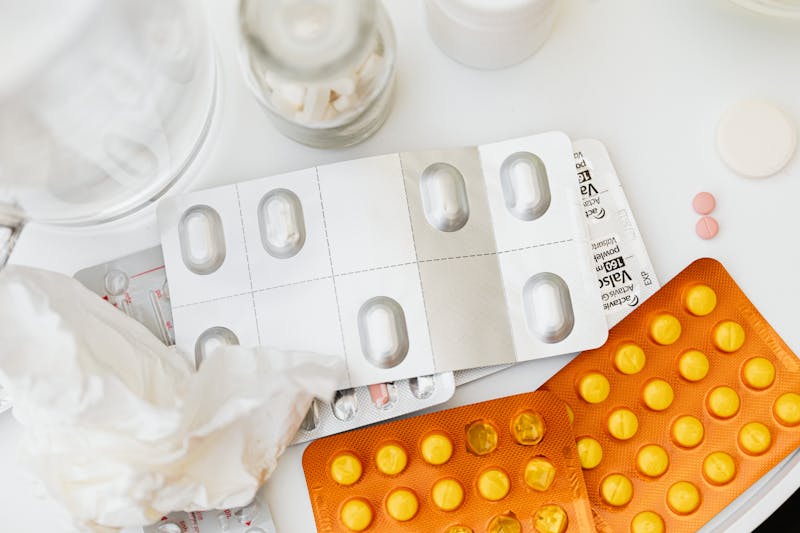
Does Medicaid cover Plan B? Yes, most states provide low or no-cost access through Medicaid (Image by Pexels)
2. How to Get a Plan B for Free?
Because emergency contraception is considered part of family planning services, Medicaid often covers it when obtained correctly. Acting quickly is important, as Plan B works best within 72 hours after unprotected sex. Here are the main ways to get Plan B for free:
- **Use your Medicaid card at a participating pharmacy: **Many pharmacies can bill Medicaid directly. Ask the pharmacist to process Plan B through your Medicaid coverage instead of paying out of pocket.
- **Visit a family planning clinic: **Clinics that accept Medicaid, such as community health centers, can provide Plan B at no cost if you’re eligible.
- Schedule a same-day appointment with a healthcare provider: A doctor or nurse practitioner can prescribe emergency contraception and bill Medicaid directly.
- **Check if your state allows over-the-counter billing: **In some states, Medicaid covers Plan B even without a prescription, as long as the pharmacy processes it properly.
- Ask about confidential services if needed: Some states offer confidential family planning benefits, especially for teens or young adults.
- **Explore state-specific family planning programs: **Even if you don’t have full Medicaid, you may qualify for limited family planning coverage that includes emergency contraception.
- **Confirm coverage before purchasing: **If you pay first without billing Medicaid, reimbursement may not always be guaranteed.
If you’re unsure about coverage, call your state Medicaid office or ask the pharmacy directly, “Does Medicaid cover Plan B in this state?”.
Acting quickly and verifying billing procedures can help ensure you receive emergency contraception without added financial stress.
3. Is Part B Paid by Medicaid? Egility Eligibility for Specific Programs
It’s important to separate two different topics: Medicare Part B and Medicaid coverage. Medicare Part B covers outpatient medical services, while Medicaid is a separate state-run program based on income. If someone qualifies for both programs (dual eligibility), Medicaid may help pay certain Medicare costs, including Part B premiums, through state-administered assistance programs.
Medicaid eligibility for help with Medicare costs generally depends on financial need and enrollment status.
To qualify for Medicaid assistance with Medicare Part B costs, you typically must:
- Be enrolled in Medicare Part A
- Meet state Medicaid income limits
- Fall within specific asset/resource limits (if applicable in your state)
- Apply through your state Medicaid office
States offer programs such as:
- Qualified Medicare Beneficiary (QMB)
- Specified Low-Income Medicare Beneficiary (SLMB)
- Qualifying Individual (QI)
Each program has its own income thresholds and coverage levels. Because Medicaid is administered at the state level, eligibility rules and benefit amounts can vary.
4. How to Qualify for a Free Phone via Medicaid?
If you’re enrolled in Medicaid, you may automatically qualify for a free phone through the federal Lifeline program. Lifeline is designed to help low-income individuals stay connected.
Because Medicaid participation meets Lifeline eligibility requirements, the application process is often simple.
To qualify, you may need to provide proof that you’re actively enrolled in Medicaid. Acceptable documents may include copies of:
- A current Medicaid approval or award letter
- A benefits statement showing active coverage
- A Medicaid ID card (if it shows eligibility dates)
- A free smartphone (based on availability)
- Unlimited talk and text and free international calls
- No contracts or credit checks
Applying is quick and can be completed online. Here’s how:
- Complete the online application form
- Choose your plan and device (if eligible options are available)
- Upload proof of Medicaid participation if required
- Submit your application for review
5. FAQs
What things are not covered by Medicaid?
Medicaid generally does not cover cosmetic procedures, most elective surgeries, luxury hospital amenities, and non-medically necessary treatments.
Is Plan B covered under Medicare?
No, Medicare typically does not cover Plan B because it is an over-the-counter medication and not usually included under Medicare Part B.
How much does the Plan B pill cost?
Without insurance, Plan B usually costs between $35 and $50 at most pharmacies, though prices can vary by location and brand.
Final Words
If you’ve been asking, Does Medicaid cover Plan B, the answer in most states is yes, especially when obtained through a participating pharmacy or clinic. Acting quickly and confirming billing procedures can help you access emergency contraception at no cost.