
On This Page
Plastic surgery is often associated with cosmetic procedures, but in many cases, it can be medically necessary. This leads to a common and important question: “Does Medicaid cover plastic surgery?”
The answer is not a simple yes or no. Medicaid may cover certain plastic surgery procedures when they are considered medically necessary, while purely cosmetic procedures are typically excluded. This article explains how Medicaid defines plastic surgery, when coverage is possible, how it differs from Medicare, and why understanding coverage rules matters before moving forward with any procedure.
1. Does Medicaid Cover Plastic Surgery?
So, does Medicaid cover plastic surgery? In general, Medicaid does not cover cosmetic plastic surgery, but it may cover reconstructive or medically necessary procedures.
Medicaid coverage decisions are based on Medical necessity, not appearance or patient preference. Because Medicaid is administered by individual states, coverage rules vary, but the underlying principle is consistent nationwide: the procedure must treat or correct a medical condition.
Examples where Medicaid may consider coverage include:
- Reconstruction after trauma or injury
- Surgery following cancer treatment (such as breast reconstruction after mastectomy)
- Procedures to correct congenital abnormalities
- Surgery required to restore function or prevent further medical complications
Understanding this distinction is key to answering “Does Medicaid cover plastic surgery” accurately.
2. What Counts as Plastic Surgery in Medicaid Policy?
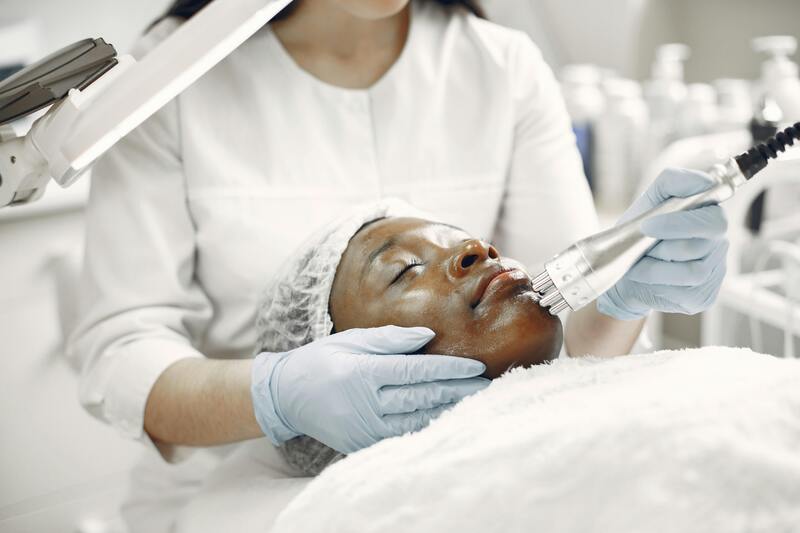
Does Medicaid cover plastic surgery depends on medical necessity, not appearance. (Image by Pexels)
Under Medicaid policy, plastic surgery generally falls into two categories: cosmetic and reconstructive.
Cosmetic surgery is performed to improve appearance without addressing a medical problem. These procedures are almost always excluded from Medicaid coverage.
Reconstructive surgery, on the other hand, aims to:
- Restore normal function
- Correct physical defects
- Treat conditions that cause pain, infection, or disability
This distinction explains why people asking “Does Medicaid cover plastic surgery” may hear different answers depending on the procedure involved.
Will Medicaid pay for plastic surgery if a doctor recommends it?
A common misconception is that a doctor’s recommendation automatically guarantees coverage. Will Medicaid pay for plastic surgery? In reality, it depends on more than a provider’s opinion.
Even if a doctor recommends surgery, Medicaid typically requires:
- Clear documentation of medical necessity
- Evidence that non-surgical treatments were attempted
- Prior authorization before surgery is scheduled
Without these steps, coverage may be denied, even when a healthcare provider supports the procedure.
How to check if a plastic surgery procedure is covered by Medicaid?
If you are considering surgery, do not assume coverage. To verify whether Medicaid covers plastic surgery in your situation:
- Ask your healthcare provider to explain the medical justification
- Contact your state Medicaid office or managed care plan
- Confirm whether prior authorization is required
- Request written confirmation of coverage
This process helps avoid unexpected bills and delays.
3. How Plastic Surgery Coverage Differs Between Medicaid and Medicare?
Another frequent question is “Is any plastic surgery covered by Medicare?”
Medicare, like Medicaid, generally does not cover cosmetic procedures. However, Medicare may cover reconstructive surgery when it is medically necessary, such as:
- Breast reconstruction after mastectomy
- Repair of accidental injuries
- Surgery to improve function, not appearance
The key difference is that Medicare coverage rules are federal and standardized, while Medicaid coverage varies by state. This explains why someone eligible for both programs may see different outcomes.
These differences also helps answer “What insurance pays for plastic surgery?” The answer depends on medical necessity and the type of insurance.
4. Why Plastic Surgery Coverage Decisions Matter?
Plastic surgery procedures often come with high upfront costs, and Medicaid coverage decisions directly affect whether patients can move forward safely and affordably. When coverage is denied or unclear, patients may face difficult choices between delaying care, taking on medical debt, or canceling treatment altogether.
Misunderstanding “Does Medicaid cover plastic surgery” can lead to several common problems, including:
- Scheduling surgery before prior authorization is approved
- Receiving unexpected bills for surgeon fees, facility costs, or anesthesia
- Delays in treating conditions that cause pain, infection, or functional limitations
Coverage decisions matter most because Medicaid approval is often tied to strict documentation and timing requirements. Even medically necessary procedures can be denied if approval steps are missed or paperwork is incomplete.
By understanding coverage rules in advance, patients can:
- Confirm whether a procedure qualifies as medically necessary
- Work with providers to submit proper documentation
- Explore appeals or alternative treatment options if coverage is denied
Clear knowledge of Medicaid plastic surgery coverage helps patients avoid financial surprises and make informed decisions about their care.
5. Free Phone Options Through Lifeline for Medicaid Beneficiaries
Navigating surgery approval under Medicaid often involves ongoing communication. Medicaid agencies and managed care plans may contact you to:
- Request additional documentation
- Confirm prior authorization details
- Notify you of approval or denial decisions
Reliable phone access helps beneficiaries:
- Respond quickly to authorization requests
- Stay updated on surgery approval status
- Avoid missed deadlines that could delay care
For individuals managing complex approval processes, consistent communication access supports smoother coordination between providers and Medicaid offices.
Final Thoughts
So, “Does Medicaid cover plastic surgery?” In most cases, Medicaid does not cover cosmetic procedures, but it may cover reconstructive or medically necessary plastic surgery when strict criteria are met.
Understanding how Medicaid defines plastic surgery, how coverage differs from Medicare, and how to verify approval before scheduling can help patients avoid unnecessary costs and delays. If you are considering surgery, start by confirming medical necessity and coverage requirements early in the process.
With the right information, and reliable communication support, Medicaid beneficiaries can better navigate plastic surgery coverage decisions and take informed next steps.