
On This Page
If you are experiencing severe tooth pain, a root canal may be necessary to save the tooth. This often leads to an important question: Does Medicaid cover root canals, or will you need to pay out of pocket?
Medicaid dental coverage depends on factors such as your age, state-specific rules, and whether the procedure is considered medically necessary. While children typically receive broader coverage, adult coverage varies widely by state, making it essential to understand how Medicaid applies to root canal treatment before scheduling care.
1. Does Medicaid Cover Root Canals?
Medicaid does cover root canals in certain situations, but it is not a universal benefit across all states and age groups.
For children and teens, Medicaid is required under federal law to cover medically necessary dental services, including root canals. This falls under the EPSDT benefit, which ensures comprehensive dental care for individuals under 21.
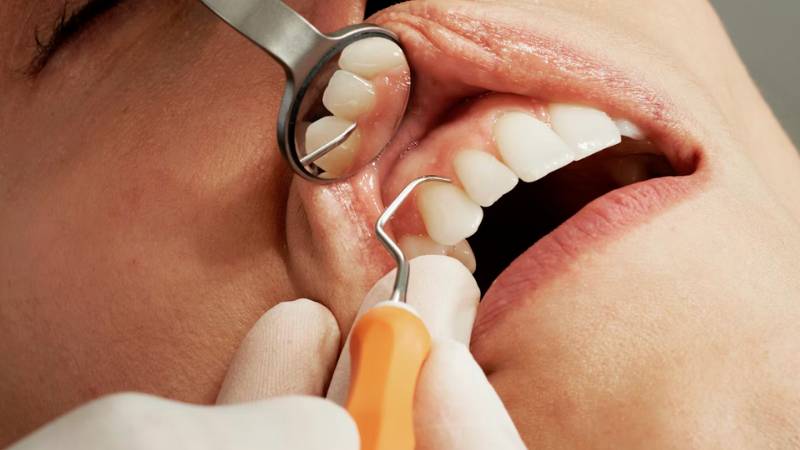
Medicaid covers root canals for children nationwide, while adult coverage depends on state-specific dental benefits. (Image by Unsplash)
For adults, coverage is more limited and varies by state. Medicaid is jointly run by federal and state governments, which means each state decides which adult dental services are included. Some states cover root canals for adults when the tooth can be saved, while others only cover extractions or emergency dental care.
In practice, Medicaid coverage for root canals depends on:
- Your age
- Your state’s Medicaid dental benefits
- Whether the procedure is considered medically necessary
- Whether prior authorization is required
Because of these differences, two Medicaid patients with the same dental issue may receive very different coverage depending on where they live.
»> Also read: Dentist That Accepts Medicaid for Adults: How to Find Affordable Dental Care Near You
2. When Medicaid Covers Root Canal Treatment
Medicaid can cover root canal treatment, but coverage is not automatic in every situation. Approval depends mainly on age, medical necessity, and state-level dental policies. Understanding how these rules differ helps avoid unexpected denials or out-of-pocket costs.
Coverage for Children Under Medicaid (EPSDT Rule)
For children and teens under age 21, Medicaid provides dental coverage through the Early and Periodic Screening, Diagnostic, and Treatment (EPSDT) benefit. Under EPSDT rules:
- Root canals are generally covered if the procedure is needed to treat pain, infection, or prevent tooth loss
- Medicaid must cover services that are medically necessary, even if a state limits adult dental benefits
- Coverage typically includes exams, X-rays, anesthesia, and follow-up care related to the root canal
Because EPSDT is a federal requirement, states have less flexibility to deny medically necessary dental treatment for children.
Coverage for Adults Depends on State Rules
For adults, Medicaid dental coverage varies widely by state. Some states include root canals as part of their adult dental benefits, while others limit coverage to extractions or emergency care only.
Adult root canals may be covered when:
- The state offers comprehensive or limited adult dental benefits
- The tooth can be restored and saved, rather than removed
- The procedure is considered medically necessary to treat infection or severe pain
In states with emergency-only dental coverage, Medicaid may approve a root canal only if it is required to address an active infection or prevent serious complications.
3. Who Qualifies for a Medicaid-Covered Root Canal
Qualification for a Medicaid-covered root canal depends on both eligibility status and treatment necessity. You may qualify if:
- You are actively enrolled in Medicaid with dental benefits
- A Medicaid-accepting dentist determines the root canal is medically necessary
- The tooth is considered restorable, not beyond repair
- Prior authorization requirements, if applicable, are met
Children enrolled in Medicaid typically qualify more easily due to EPSDT protections. Adults must meet their state’s specific dental coverage criteria.
4. What Medicaid Usually Does NOT Cover for Root Canals
Even in states that cover root canals, Medicaid often places limits on related services. Common exclusions include:
- Root canals on teeth that cannot be restored
- Cosmetic dental procedures not tied to medical need
- Certain crown types or upgraded materials after the root canal
- Procedures performed by providers who do not accept Medicaid
- Repeat root canals on the same tooth if considered avoidable
This is why many adults ask does Medicaid cover root canals for adults, only to find that coverage may apply to the procedure itself, but not all follow-up dental work.
5. How to Get a Root Canal Approved by Medicaid
Getting a root canal approved under Medicaid is less about luck and more about following the right sequence. Most denials happen because one step is skipped, not because the treatment itself is ineligible.
Step 1: Confirm Your Dental Medicaid Benefits
Start by checking whether your Medicaid plan includes dental coverage and at what level. Adult dental benefits vary by state, so confirmation matters before any appointment is scheduled.
You can verify coverage by:
- Reviewing your Medicaid member handbook
- Logging into your state Medicaid portal
- Calling the member services number on your Medicaid card
Ask specifically whether endodontic treatment (root canal) is covered and whether prior authorization is required.
Step 2: Find a Dentist That Accepts Medicaid
Not every dentist participates in Medicaid, even if your plan covers the procedure. Approval depends on using a Medicaid-enrolled dental provider.
When contacting a clinic, confirm:
- They accept your specific Medicaid plan
- They perform root canals in-house or refer to an endodontist who accepts Medicaid
- They handle Medicaid paperwork and authorization requests
This step alone eliminates most delays.
Step 3: Submit Prior Authorization (If Required)
Many states require prior authorization for adult root canals. Your dentist typically submits this on your behalf, including:
- X-rays or imaging
- Clinical notes showing infection, pain, or risk of tooth loss
- A treatment plan explaining why extraction is not appropriate
Approval timelines vary, but missing documentation is the most common reason requests are denied or delayed.
6. Why Medicaid Patients Often Qualify for Lifeline Support
Dental treatment rarely happens in isolation. Appointments change, approvals require follow-ups, and missed calls can turn a covered procedure into an out-of-pocket cost.
Because Medicaid serves low-income households, enrollment often also qualifies individuals for Lifeline, a federal program designed to reduce the cost of phone or internet service. Lifeline itself does not provide phones or plans directly. Instead, the benefit is delivered through approved providers.
For many Medicaid patients, this is where access becomes practical.
With a Lifeline-supported provider, Medicaid patients can:
- Maintain reliable phone access for dentist callbacks and authorization updates
- Receive reminders about appointments and documentation requests
- Avoid delays caused by missed calls or disconnected service
- Select your state to confirm coverage and available options
- Review available phone options and select one that fits your needs
- Confirm eligibility using active Medicaid enrollment
- Upload verification documents if requested
- Submit the application and wait for approval
Phone options vary by location, but may include practical smartphones suitable for calls, texts, and healthcare communication.
Conclusion
Medicaid can cover root canal treatment, but approval depends on age, state rules, provider participation, and proper documentation. By confirming your dental benefits early, working with a Medicaid-accepting dentist, and completing authorization correctly, you reduce the risk of delays or denials.
Staying reachable throughout the process also matters, especially when approvals and scheduling depend on timely communication.
Related SenGov Guides
- Can You Charge a Medicaid Patient a No Show Fee? Critical Federal and State Rules Explained in 2026
- Does Medicaid Cover TMS Therapy? Approval Rules, State Differences, and Hidden Requirements in 2026
- Does Medicaid Cover Wisdom Teeth Removal? Costs, Coverage, and Your Options
- Does Medicaid Cover Zepbound 2026: Approval Status, State Limits, and Safer Alternatives