
On This Page
Service dogs can dramatically improve independence for people living with physical disabilities, psychiatric conditions, or chronic medical disorders. However, when families begin researching financial support, one of the first questions that arises is does Medicaid cover service dogs. The answer is more complex than a simple yes or no.
While Medicaid may cover certain medical evaluations or disability services connected to a service animal, it generally does not pay directly for purchasing or training the dog itself. Understanding where coverage stops and what alternative options exist can help you plan realistically and avoid costly misunderstandings.
1. Does Medicaid Cover Service Dogs?
In most cases, the answer to does Medicaid cover service dogs is no. Traditional Medicaid programs generally do not pay for the purchase, training, or maintenance of a service dog. This includes costs such as:
- Buying a trained service animal
- Professional training programs
- Ongoing certification expenses
- Food, veterinary care, or equipment
Medicaid is primarily designed to cover medical treatment and healthcare services, not the direct cost of animals or assistive companions.
However, the situation can become more nuanced depending on the type of Medicaid program and the specific disability involved. While direct payment for a service dog is uncommon, some related services may be covered under certain circumstances.

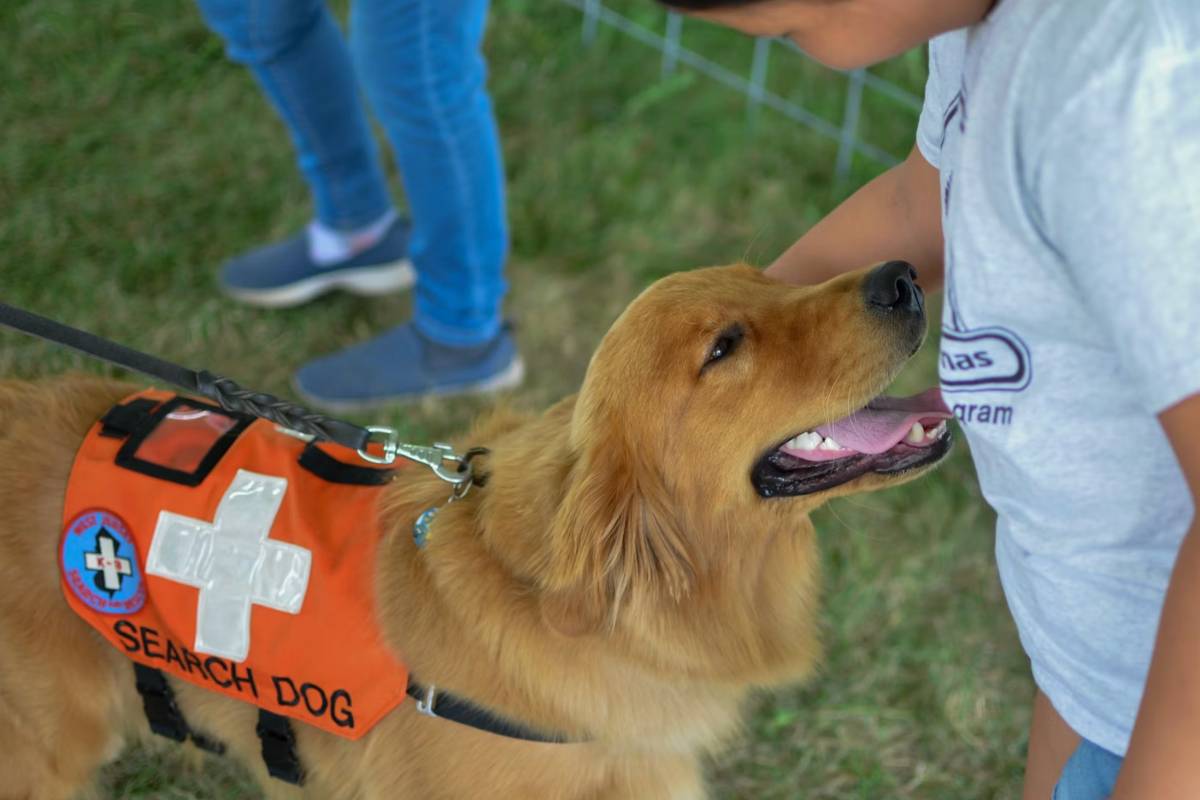
Medicaid generally does not cover the purchase, training, or upkeep of service dogs, including associated expenses such as certification, food, and veterinary care. (Image by Unsplash)
2. Are There Any Situations Where Medicaid Might Help With Service Dog-Related Costs?
Although Medicaid typically does not pay for a service dog itself, there are limited situations where coverage may intersect with related medical or disability services.
Many families also ask, what type of anxiety qualifies for a service dog? Under federal disability law, service dogs are trained to perform specific tasks for individuals with a qualifying disability. For psychiatric service dogs, conditions such as severe anxiety disorders, post-traumatic stress disorder (PTSD), or panic disorders may qualify if the condition substantially limits major life activities and the dog is trained to perform specific tasks, not simply provide emotional comfort.
It is important to distinguish between service dogs and emotional support animals. Emotional support animals do not require specialized task training and are generally not covered under Medicaid or other public healthcare programs.
When Medicaid Covers Medical Evaluations Needed for a Service Dog
While Medicaid may not pay for the dog itself, it often covers medical and mental health evaluations that document the underlying condition.
For example, Medicaid may cover:
- Psychiatric evaluations
- Psychological assessments
- Specialist consultations
- Ongoing therapy or behavioral health treatment
These evaluations may be required to determine whether an individual has a qualifying disability that could justify the use of a trained service animal. In this way, Medicaid supports the medical documentation process, even if it does not fund the animal.
When State Medicaid Waiver Programs May Support Disability Services
In certain states, Home and Community-Based Services (HCBS) waiver programs may provide broader disability-related supports. These waivers are designed to help individuals remain in community settings rather than institutional care.
Some waiver programs may cover:
- Assistive devices
- Personal care services
- Specialized therapeutic supports
Direct funding for service dogs is rare, but certain disability-related supports connected to independence and daily functioning may be available through waiver programs. Because waiver benefits vary widely by state, reviewing your state’s specific Medicaid waiver options is essential.
Understanding the limits of coverage can help families explore alternative funding sources while still leveraging Medicaid for related medical and disability services.
3. Alternatives If Medicaid Does Not Cover a Service Dog
If Medicaid does not cover the cost of a service dog, families often need to explore alternative funding options. Because trained service dogs can cost thousands of dollars, planning ahead is essential.
Common alternatives include:
- Nonprofit organizations that provide service dogs at reduced or no cost to qualifying individuals
- Condition-specific foundations that offer grants for people with disabilities, such as PTSD, mobility impairments, or seizure disorders
- Crowdfunding platforms where families raise support within their communities
- Veterans programs, in certain cases, for service-connected disabilities
- Payment plans through accredited training organizations
Some training organizations operate on a sliding scale or provide partial scholarships based on financial need. It is important to verify that the program follows recognized service dog training standards and complies with federal disability guidelines.
In addition, certain state disability agencies may offer limited assistance for equipment or services that support independent living, even if they do not directly purchase the dog. Checking with your state’s vocational rehabilitation or disability services office can uncover additional options.
While the financial burden can be significant, combining grants, nonprofit support, and community fundraising often makes obtaining a service dog possible when Medicaid does not provide direct coverage.
4. Why Communication Matters When Applying for Service Dog–Related Support
When families ask does Medicaid cover service dogs, they are often also navigating disability documentation, waiver applications, and medical evaluations at the same time. Even though Medicaid usually does not pay directly for a service dog, related approvals and disability certifications often involve multiple steps.
These steps may include:
- Medical evaluations documenting the qualifying condition
- Mental health assessments for psychiatric service dogs
- HCBS waiver applications
- Appeals or supplemental documentation
- Follow-up requests from state agencies
Each stage may require timely responses. Missing a verification call or failing to respond to a document request can slow disability approvals or delay related services that support independent living.
If you are enrolled in Medicaid, you may also qualify for the federal Lifeline program. Medicaid participation is one of the qualifying pathways for Lifeline, which provides a monthly discount on phone or internet service for eligible households.
While phone access does not change whether Medicaid covers a service dog, it can help ensure that disability-related processes move forward without unnecessary interruption.
Conclusion
So, does Medicaid cover service dogs? In most traditional Medicaid programs, direct funding for purchasing or training a service dog is not covered.
However, Medicaid may support related medical evaluations and disability services, and some state waiver programs offer broader assistance. When coverage is not available, nonprofit grants and community resources may help bridge the gap. Understanding both the limits of Medicaid and the available alternatives allows families to make informed decisions while maintaining access to essential healthcare and support services.
Related SenGov Guides
- How to Switch Medicaid to Another State: What Actually Happens When You Move in 2026
- What Does Medicaid Cover for Dental for Adults in Texas? Here’s the Reality in 2026
- Does Medicaid Cover a Vasectomy? What’s Covered, Eligibility Rules in 2026
- Does Medicaid Cover Accutane 2026? Why Coverage Is Strict and What You Must Do