

On This Page
Sleep disorders can affect breathing, heart health, memory, and daily functioning. For individuals experiencing symptoms such as loud snoring, excessive daytime sleepiness, or pauses in breathing during sleep, testing may be recommended by a physician.
Does Medicaid cover sleep study? Coverage depends on medical necessity, documentation, and state-level benefit design. Understanding how Medicaid reviews sleep testing requests can help beneficiaries prepare for the approval process.
1. Does Medicaid Cover Sleep Study?

Does Medicaid cover sleep study? (Image by Pexels)
Does Medicaid cover sleep study? In many situations, the answer is that, yes, when the test is medically necessary and properly authorized.
Medicaid generally covers diagnostic services ordered by a licensed provider when symptoms indicate a potential medical condition, such as obstructive sleep apnea or other sleep-related breathing disorders.
Medical necessity is the central factor. A sleep study must be supported by documented symptoms, clinical evaluation, and provider recommendation. Coverage is not based solely on patient request. Plans typically require evidence that testing is needed to confirm or rule out a suspected disorder.
At the same time, adult Medicaid benefits are not structured identically across all states. While federal law establishes baseline requirements, states have flexibility in defining certain optional services and approval processes.
Because of this variation, coverage rules may differ depending on the state and whether a beneficiary is enrolled in traditional Medicaid or a managed care plan.
For individuals asking, “Does Medicaid cover sleep study?”, verifying plan-specific requirements before scheduling testing can help prevent unexpected delays or denials.
2. Can You Get a Sleep Study With Medicaid?
Another common question is, can you get a sleep study with Medicaid without paying out of pocket? In many cases, the answer is yes, provided that clinical criteria are met and required approvals are obtained.
When reviewing does Medicaid cover sleep study, Medicaid typically evaluates the underlying symptoms and risk profile of the patient rather than approving testing automatically.
Conditions That May Qualify for a Sleep Study
Sleep studies are most commonly ordered to evaluate obstructive sleep apnea. Symptoms that may support medical necessity include loud chronic snoring, observed pauses in breathing, gasping during sleep, excessive daytime fatigue, morning headaches, and high blood pressure.
Physicians may also consider risk factors such as obesity, cardiovascular disease, diabetes, or a history of stroke. When these symptoms or conditions are clearly documented, approval is more likely under Medicaid guidelines for sleep testing.
For many beneficiaries, the answer to “Does Medicaid cover sleep study?” depends heavily on whether clinical risk factors are properly recorded.
Referral and Pre-Authorization Requirements
Most Medicaid programs require a physician referral before a sleep study is scheduled. The provider must document why testing is clinically appropriate.
In many states, prior authorization is required. This means the Medicaid plan must review and approve the request before the test occurs. Without proper authorization, claims may be denied even if the test was medically reasonable.
In-Lab Sleep Study vs At-Home Sleep Study
Sleep testing may occur in a laboratory setting or through an at-home device. In-lab studies provide comprehensive monitoring, including brain activity, oxygen levels, breathing patterns, and heart rhythm.
At-home sleep studies are typically used for patients with a high probability of uncomplicated obstructive sleep apnea. These tests are less complex and generally lower cost.
Medicaid plans may prefer at-home testing first unless clinical circumstances justify in-lab monitoring.
3. How Much Does a Medical Sleep Study Cost?
The cost of a medical sleep study can vary significantly depending on the type of test and facility. In-lab sleep studies may range from several thousand dollars before insurance adjustments. At-home sleep studies are typically less expensive.
For individuals without coverage, out-of-pocket costs can be substantial. This is one reason beneficiaries often ask, how much does a medical sleep study cost, before proceeding with testing.
When approval is granted, Medicaid may cover most or all of the approved amount. Some states may require small copayments for certain adult services, though many beneficiaries pay little or nothing for diagnostic testing.
Costs may also vary depending on whether the provider participates in the beneficiary’s Medicaid managed care network.

Accurate medical records help reviewers decide if a sleep study meets Medicaid coverage requirements (Image by Pexels)
4. How Medicaid Approves Sleep Studies
Approval is not automatic. The process centers on documentation and clinical review.
When evaluating does Medicaid cover sleep study, plans focus on whether symptoms and risk factors justify diagnostic testing under established medical criteria.
Doctor Evaluation and Documentation
A physician must conduct an evaluation and record symptoms, medical history, and physical findings. The documentation must clearly explain why a sleep study is needed.
Incomplete notes or missing symptom descriptions may delay approval. Claims reviewers rely on medical records to confirm that testing meets established guidelines.
Prior Authorization Process
If prior authorization is required, the provider submits clinical documentation to the Medicaid plan. The plan reviews the request and either approves, denies, or requests additional information.
This step directly affects whether Medicaid covers sleep study results in payment. If testing occurs before authorization when it is required, coverage may be denied.
What Happens After Approval
Once approved, the sleep study can be scheduled. After the test, results are reviewed by a sleep specialist, and treatment options may be discussed.
If obstructive sleep apnea is diagnosed, additional equipment such as CPAP devices may require separate approval. Each stage may involve additional documentation and review.
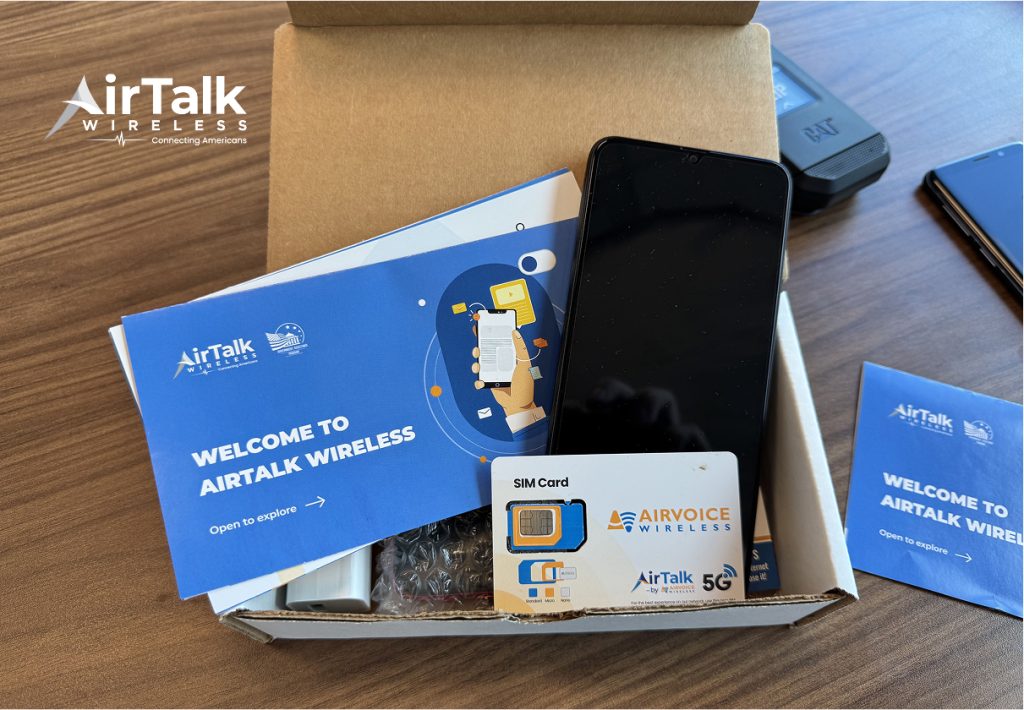
5. Staying Connected with Free Phone and Service
Enrollment in Medicaid may qualify a household for the federal Lifeline program. Lifeline reduces the monthly cost of phone service for eligible low-income households.
6. FAQs
Does Medicaid cover sleep study in every state?
Coverage varies by state. Many states cover medically necessary sleep studies, but specific approval rules differ.
Can you get a sleep study with Medicaid?
Yes, if a physician documents medical necessity and required authorizations are obtained.
How much does a medical sleep study cost?
Without coverage, costs can range from hundreds to several thousand dollars, depending on the type of test. Medicaid approval may significantly reduce or eliminate out-of-pocket costs.
Does Medicaid cover at-home sleep studies?
Many Medicaid plans cover at-home sleep studies when clinically appropriate. Some plans require this option before approving in-lab testing.
Final Word
The answer to **“Does Medicaid cover sleep study?” **depends on medical necessity, documentation, and state-specific policy. In many cases, coverage is available when symptoms and risk factors justify testing.
Confirm requirements with your Medicaid plan, obtain proper referrals, and ensure prior authorization is completed when required.