

On This Page
Interest in Transcranial Magnetic Stimulation (TMS) has grown significantly as more patients seek alternatives to medication for treatment-resistant depression and other mental health conditions. As awareness increases, so does an important question: does Medicaid cover TMS therapy, and under what circumstances?
Understanding how these requirements work before beginning treatment can help patients avoid delays, unexpected denials, or high out-of-pocket costs.
1. What Is TMS Therapy and When Is It Used?
Before answering does Medicaid cover TMS therapy, it helps to understand what TMS actually is and why it is prescribed.
Transcranial Magnetic Stimulation (TMS) is a non-invasive mental health treatment that uses magnetic pulses to stimulate specific areas of the brain involved in mood regulation. It is typically considered when standard treatments such as antidepressant medications or psychotherapy have not been effective.
Because TMS is categorized as a specialized behavioral health service, Medicaid programs evaluate it carefully under medical necessity guidelines. Understanding how the therapy works and the conditions it treats is essential when determining whether Medicaid may approve coverage.
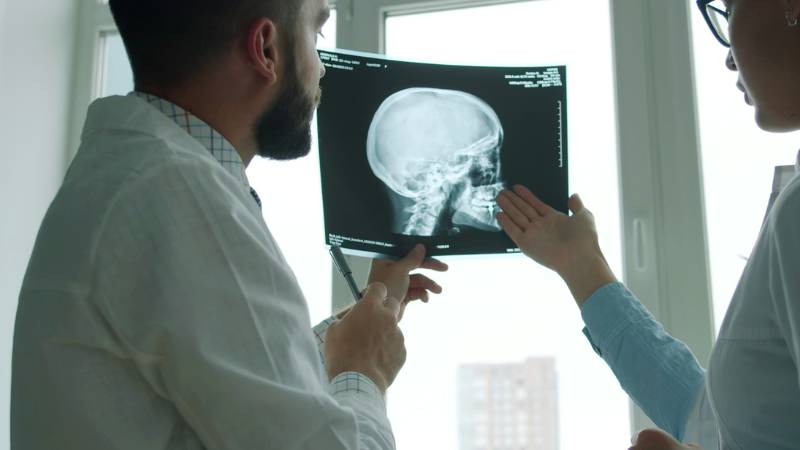
TMS therapy is a non-invasive treatment for depression and other mood disorders, typically used when standard medications or therapy have not worked. (Image by Unsplash)
How Transcranial Magnetic Stimulation Works
TMS therapy uses an electromagnetic coil placed against the scalp to deliver targeted magnetic pulses to the prefrontal cortex. These pulses stimulate nerve cells that are underactive in individuals with certain mood disorders, particularly major depressive disorder.
Unlike electroconvulsive therapy (ECT), TMS does not require anesthesia and does not induce seizures. Treatment sessions are typically conducted five days per week for several weeks. Because of its structured protocol and clinical oversight requirements, Medicaid often requires documentation of diagnosis, prior treatment attempts, and provider qualifications before considering approval.
Conditions TMS Is Commonly Prescribed For
TMS is most commonly prescribed for:
- Major depressive disorder (especially treatment-resistant depression)
- Obsessive-compulsive disorder (in some FDA-cleared cases)
- Depression with inadequate response to multiple medications
In most Medicaid programs, TMS therapy is primarily reviewed for adults diagnosed with treatment-resistant depression. The diagnosis must usually be formally documented, and prior treatment history must show that other therapies were tried without sufficient improvement.
»> Also read: How Often Will Medicaid Pay for a Nebulizer? Critical Replacement Rules You Need to Know 2026
2. Does Medicaid Cover TMS Therapy?
The short answer to does Medicaid cover TMS therapy is that** it can**, but only under specific conditions. TMS is generally not automatically covered and typically requires prior authorization.
Medicaid programs evaluate TMS therapy under medical necessity standards. This means coverage is usually considered only after less intensive treatments have failed. The approval process often requires extensive documentation and may differ significantly from one state to another.
When TMS Is Considered Medically Necessary
For Medicaid to approve TMS therapy, providers often must demonstrate:
- A confirmed diagnosis of major depressive disorder
- Failure to respond to multiple antidepressant medications
- Attempted psychotherapy without adequate improvement
- A treatment plan supervised by a qualified specialist
Many state Medicaid programs require documentation that at least two or more antidepressant trials were unsuccessful. Some may also require evidence of medication intolerance or significant side effects.
Without meeting these criteria, Medicaid is more likely to deny coverage.
Why Coverage Varies by State
Even though Medicaid is federally funded, it is administered at the state level. This means policies regarding whether and how Medicaid covers TMS therapy vary by state.
Some states include TMS in their behavioral health coverage policies with clear approval guidelines. Others may have stricter criteria or limited provider networks. In certain states, TMS may only be covered for adults and not for adolescents.
Because of these variations, individuals asking does Medicaid cover TMS therapy should review their specific state Medicaid manual or contact their managed care plan to confirm eligibility and authorization requirements before beginning treatment.
3. How to Get TMS Therapy Approved by Medicaid (Step-by-Step)
If you’re wondering does Medicaid cover TMS therapy, approval usually depends on completing a few required steps. Medicaid does not automatically approve TMS. Your provider must show that certain criteria are met.
Step 1: Get Evaluated by a Psychiatrist
Start with a full evaluation by a licensed psychiatrist who accepts Medicaid. The provider must confirm your diagnosis, usually major depressive disorder, and determine that TMS is clinically appropriate for your condition.
Step 2: Show That Other Treatments Did Not Work
Medicaid typically requires proof that you tried antidepressant medications first. In most states, this means:
- Trying at least two different antidepressants
- Taking them for an adequate amount of time
- Showing they did not improve your symptoms or caused serious side effects
Some plans also require documentation of therapy attempts.
Step 3: Submit Prior Authorization
Before treatment begins, your provider must send a prior authorization request to Medicaid or your managed care plan. This request includes:
- Your diagnosis
- Medication history
- Treatment notes
- A proposed TMS treatment schedule
Medicaid reviews this information to decide whether it meets medical necessity rules.
Step 4: Use a Medicaid-Approved TMS Provider
Even if your state allows coverage, TMS must be performed at a clinic that participates in Medicaid. Always confirm the facility accepts your specific Medicaid plan before starting treatment.
4. Common Reasons Medicaid Denies TMS Therapy
Even when people meet many requirements, Medicaid can still deny TMS therapy for procedural reasons. Understanding these issues early can prevent delays.
Common reasons for denial include:
- Not enough documented antidepressant trials
- Medication trials that were too short or not at therapeutic doses
- Missing psychotherapy history
- Incomplete clinical notes from the psychiatrist
- Prior authorization submitted incorrectly or too late
- Treatment scheduled before approval was granted
- Clinic not enrolled with Medicaid
In many cases, denials are not about whether TMS is helpful, but whether the paperwork meets Medicaid’s exact criteria.
Another overlooked issue is communication. Missed calls from managed care plans, delayed responses to documentation requests, or failure to receive mailed notices can stall approval. Staying reachable during the authorization process is critical.

Conclusion
So, does Medicaid cover TMS therapy? Sometimes yes, sometimes no, and the difference often comes down to documentation, state policy, and timing. TMS is not automatically covered, but for patients with treatment-resistant depression who meet medical necessity requirements, approval is possible.
The key is preparation: work closely with your psychiatrist, ensure prior authorization is submitted correctly, and stay responsive during review. Knowing the process in advance can turn a likely denial into a successful approval.
Related SenGov Guides
- Does Medicaid Cover Circumcision? Medical Rules, State Differences, and What to Check First
- Does Medicaid Cover Couples Therapy and Family Counseling 2026: Rules You Should Know
- Does Medicaid Cover Zepbound 2026: Approval Status, State Limits, and Safer Alternatives
- Medicaid Physical Therapy Coverage Explained: Session Limits, Rules, and Hidden Restrictions in 2026