
On This Page
If you or a loved one uses a wheelchair, mobility barriers can quickly become a daily challenge. That leads many people to ask does Medicaid cover wheelchair lifts, especially for vehicles or home access. Wheelchair lifts can be expensive, and coverage rules are often confusing.
Medicaid does offer support for certain mobility equipment, but wheelchair lifts fall into a gray area that depends on medical necessity, equipment type, and state-specific policies. Understanding what Medicaid typically covers, what it usually excludes, and what alternatives exist can help families plan more effectively and avoid unexpected costs.
1. Does Medicaid Cover Wheelchair Lifts?
In most cases, Medicaid does not cover wheelchair lifts for vehicles or home access. While Medicaid helps pay for many mobility-related needs, wheelchair lifts are usually considered structural modifications or vehicle adaptations rather than medical equipment. Because of this classification, they fall outside standard Medicaid benefits in many states.

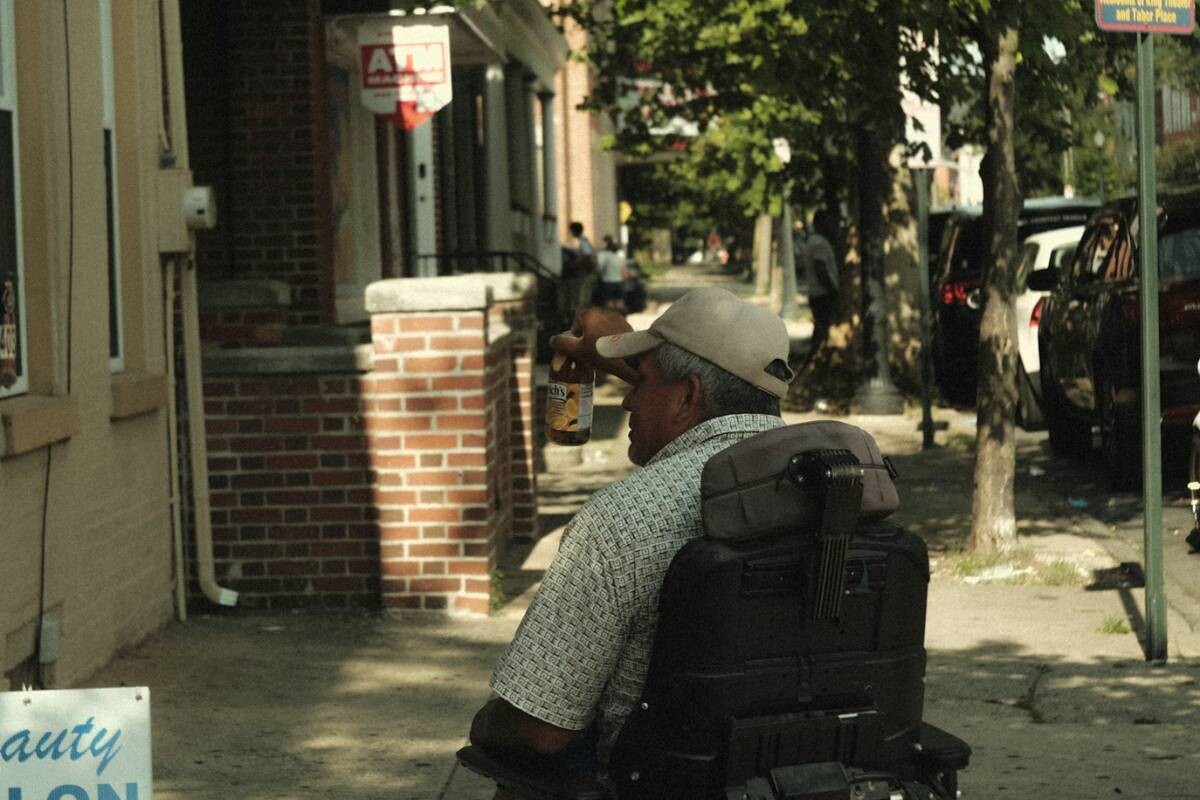
Medicaid usually does not cover wheelchair lifts, as they are considered home or vehicle modifications rather than standard medical equipment. (Image by Unsplash)
That said, coverage rules can vary. Some Medicaid programs may offer limited assistance through special waivers or state-funded accessibility programs, but these are exceptions rather than the norm. Families should always check with their state Medicaid office to understand what options, if any, are available locally.
2. When Medicaid May Help With Mobility Equipment
Although wheelchair lifts are rarely covered, Medicaid does support many other mobility-related items when they are medically necessary and prescribed by a healthcare provider.
Durable Medical Equipment (DME) Coverage
Medicaid commonly covers durable medical equipment (DME) that is needed for use inside the home. This typically includes items such as:
- Manual and power wheelchairs
- Walkers, canes, and crutches
- Hospital beds and pressure-relief mattresses
- Patient lifts designed for indoor transfers
To qualify, the equipment must be medically necessary, prescribed by a provider, and approved by Medicaid. DME is generally defined as equipment that helps with daily medical needs rather than transportation or home construction.
Why Wheelchair Lifts Are Usually Excluded
Wheelchair lifts are often excluded because they are considered environmental or transportation modifications, not medical devices. Vehicle lifts improve access to transportation, and home lifts alter the physical structure of a building. Medicaid programs typically separate these costs from healthcare services.
In some states, assistance with wheelchair lifts may be available through Home and Community-Based Services waivers, vocational rehabilitation programs, or nonprofit accessibility grants. These programs operate outside standard Medicaid DME coverage and usually have additional eligibility rules and funding limits.
3. Wheelchair Lifts for Vehicles vs Home Access
Wheelchair lifts generally fall into two categories, and Medicaid treats each one differently.
Vehicle wheelchair lifts are designed to load a wheelchair or mobility scooter into a car, van, or SUV. Because these lifts are tied to transportation rather than direct medical care, Medicaid usually does not cover them. Even when a lift is medically helpful, most state Medicaid programs classify vehicle modifications as non-covered expenses.
Home wheelchair lifts or access systems, including porch lifts, vertical platform lifts, or stair lifts, are used to enter or move within a home. These are also typically excluded from standard Medicaid coverage because they are considered home modifications.
However, some states may offer limited support through Home and Community-Based Services waivers, especially if the modification helps prevent institutional care. Coverage, approval limits, and waiting lists vary widely by state.
4. What Options Exist If Medicaid Doesn’t Cover a Wheelchair Lift
When Medicaid does not pay for a wheelchair lift, families still have several alternatives to explore.
Some states offer Medicaid waivers or state accessibility programs that provide partial funding for home modifications, including ramps or lifts. These programs often focus on keeping individuals safely at home rather than in nursing facilities.
Vocational rehabilitation agencies may help cover vehicle lifts if the equipment is necessary for employment or job training. Eligibility is usually tied to work-related goals rather than daily living needs.
Many families also turn to nonprofit organizations, disability grants, or local community programs that provide financial assistance for accessibility improvements. These resources can sometimes cover part of the cost or connect families with discounted equipment.
Finally, manufacturer financing programs and tax credits may reduce out-of-pocket expenses. Some accessibility upgrades qualify for medical expense deductions or local housing assistance programs, depending on individual circumstances.
While Medicaid coverage for wheelchair lifts is limited, combining multiple resources can make mobility solutions more affordable and help maintain independence.
5. Why Staying Connected Matters When Requesting Mobility Support
When you are seeking mobility support, such as a wheelchair lift, communication plays a bigger role than many people expect. Requests often involve multiple steps, including medical documentation, provider evaluations, waiver applications, and follow-up approvals. Missing a call or notice can slow the process or cause an application to be closed before it is reviewed.
For Medicaid users, staying reachable helps ensure that doctors, equipment suppliers, waiver coordinators, and state offices can confirm medical necessity and next steps. This is especially important when applying for exceptions, alternative programs, or community-based assistance after learning that Medicaid does not directly cover wheelchair lifts.

Medicaid enrollment also opens the door to Lifeline, a federal program that helps low-income households afford phone service. Lifeline reduces the cost of staying connected so people can manage healthcare needs without worrying about phone bills. That benefit is delivered through approved providers.
Conclusion
So, does Medicaid cover wheelchair lifts? In most cases, Medicaid does not directly pay for wheelchair lifts for vehicles or home access, even though it covers many other mobility-related medical needs. Lifts are usually classified as transportation or home modifications rather than durable medical equipment.
Families often need to explore waivers, state programs, nonprofits, or alternative funding sources to cover these costs. While navigating these options can be frustrating, staying informed and reachable can make a meaningful difference in securing mobility support and maintaining independence.
Related SenGov Guides
- Asset Rules Explained in 2026: Can You Have 2 Vehicles on Medicaid?
- Does Medicaid Cover Birth Control in 2026? Covered Methods, Rules, and Eligibility Explained
- Does Medicaid Cover Gastric Bypass? Coverage Rules in 2026
- Does Medicaid Cover Genetic Testing While Pregnant? Critical Coverage Rules Every Expecting Mom Should Know 2026