

On This Page
Medicaid coverage for dental care varies by state, leading many people to ask does Medicaid cover wisdom teeth removal. In many cases, Medicaid may cover for wisdom tooth extractions when they are medically necessary, such as for impacted teeth, pain, infection, or other oral health complications.
1. Does Medicaid Cover Wisdom Teeth Removal?
Yes, Medicaid often covers wisdom teeth removal, but usually only when the procedure is considered medically necessary, such as in cases involving pain, infection, impaction, or damage to surrounding teeth. Coverage rules vary by state and by age group.
So, **is wisdom teeth removal covered by insurance? **Coverage for adults varies widely by state and may include limits or prior authorization requirements. However, individuals under age 21 are generally covered under EPSDT guidelines, which require Medicaid to provide necessary dental services to protect oral health.
If you’re wondering, What happens if I can’t afford wisdom teeth removal?, Medicaid may help reduce or fully cover the cost when the procedure is medically necessary. In states with limited adult dental coverage, low-cost dental clinics, hospital-based programs, or payment assistance options may also be available.
2. Medicaid Coverage For Wisdom Teeth Removal By Age
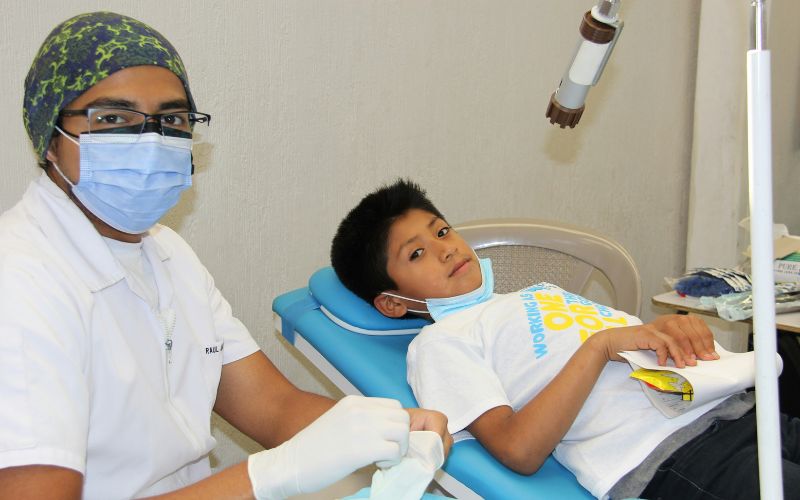
Does Medicaid cover wisdom teeth removal for people under 21 years old? (Image by Unsplash)
Whether does Medicaid cover wisdom teeth removal often depends on your age and whether the procedure is medically necessary, as dental benefits vary by state and age group. Knowing how coverage differs for children, teens, and adults can help you better understand your benefits and plan for treatment.
Wisdom Teeth Removal For Children And Teens (Under 21)
For individuals under age 21, Medicaid generally covers wisdom teeth removal when it is considered medically necessary under the Early and Periodic Screening, Diagnostic, and Treatment (EPSDT) benefit. This federal requirement ensures comprehensive dental care, including extractions, if wisdom teeth pose risks such as pain, infection, overcrowding, or jaw complications. As a result, children and teens have broader and more consistent coverage than adults.
Wisdom Teeth Removal For Adults
For adults, Medicaid coverage for wisdom teeth removal varies widely by state because adult dental benefits are optional. Some states cover extractions only in emergency or medically necessary situations, while others offer limited or no coverage at all. Adults should review their state Medicaid dental benefits and confirm requirements like prior authorization or referrals before scheduling the procedure.
3. Can Medicaid Help You Access Other Health Benefits?
Beyond medical and dental care, Medicaid enrollment can also help eligible individuals to qualify for other essential support programs. For example, people searching for answers like does Medicaid cover wisdom teeth removal often qualify for additional benefits at the same time, including the Lifeline program.
Lifeline helps low-income households stay connected by offering free or discounted phones service and monthly service, which is especially helpful when managing healthcare appointments, applications, and follow-ups.
Furthermore, the provider also offers a variety of free phones, and in some cases tablets, as complementary devices, depending on availability and eligibility.
4. Full Guide To Apply For A Free Phone With Medicaid In 2026
Applying for a free phone with Medicaid in 2026 becomes much easier when you understand the full process before you start. This step-by-step guide explains what to prepare, when to choose a provider, and what happens after you submit your application.
Step 1: Check Eligibility and Prepare Documents
The first step is confirming your Lifeline eligibility, and this can be done anywhere without immediately choosing a provider. Most applicants qualify through participation in assistance programs such as Medicaid, SNAP, SSI, Federal Public Housing Assistance, or Veterans Pension benefits.
You may also qualify based on household income alone if it falls within the Federal Poverty Guidelines. At this stage, it’s smart to prepare key documents in advance, including proof of program participation or income records, to avoid delays later.
Step 3: Enter Personal Information and Upload Documents if Required
During the application, you’ll be asked to provide basic personal information such as your full name, residential address, date of birth, and the last four digits of your Social Security Number. In many cases, eligibility is verified automatically through national databases. However, if automatic verification is not successful, the system may request uploaded documents, such as a Medicaid benefits letter or proof of income, to complete the eligibility review.
Step 4: Complete the Application and Wait for Delivery
5. Final Words
So, does Medicaid cover wisdom teeth removal? The short answer is: it depends on your state and whether the procedure is considered medically necessary. Coverage for adults can be limited, but many people still qualify based on income or participation in assistance programs.