
On This Page
If you are struggling with housing costs, you may be asking, does Medicaid help with rent? The short answer is that Medicaid does not typically pay for rent directly. However, the full explanation is more nuanced.
Medicaid is a healthcare program, not a housing subsidy program. Still, in certain situations, Medicaid may cover housing-related services that help individuals remain safely in their homes, especially for seniors or people with disabilities. This can create confusion about what is actually covered.
In this guide, we explain when Medicaid may provide housing-related support, whether it ever pays rent directly, how waiver programs work, and which programs actually offer rent assistance.
1. Does Medicaid Help With Rent?
In most cases, Medicaid does not pay rent directly. Medicaid is a health coverage program, and federal rules generally prohibit using Medicaid funds for room and board costs such as monthly rent payments.
Many people ask, how does Medicaid pay for your rent? The reality is that Medicaid typically does not issue payments to landlords or cover standard housing expenses. Instead, it may fund certain health-related services that help someone remain safely housed, especially if they have a disability or require long-term care.
For example, Medicaid may pay for in-home personal care, case management, or community support services that allow an individual to live independently rather than in an institution. While these services can make it possible for someone to afford staying at home, they are not the same as rent assistance.
To receive actual rent payments or housing vouchers, individuals usually need to apply through separate housing programs.

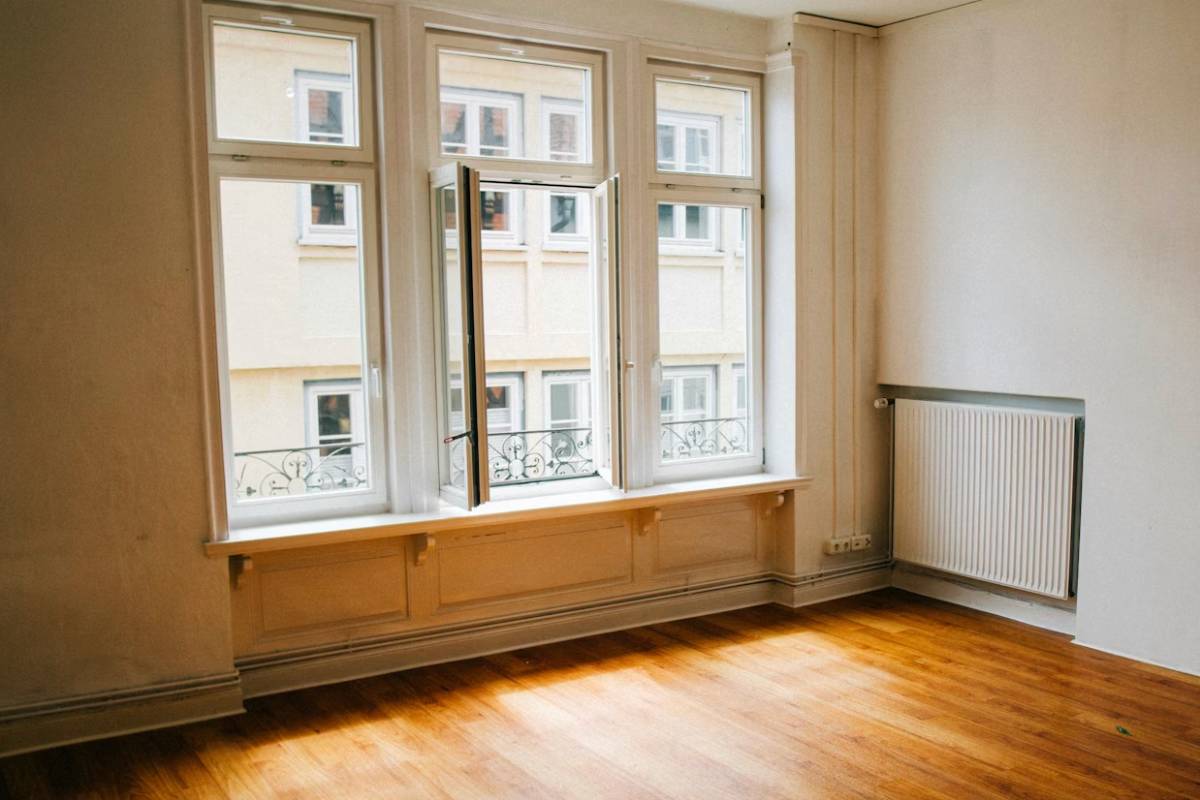
Medicaid does not pay rent directly, but it may cover health-related services that help individuals remain safely housed while separate programs handle rental assistance. (Image by Unsplash)
2. When Medicaid May Help With Housing-Related Support
Although Medicaid does not typically cover rent itself, it may support housing stability in specific situations. This often happens through waiver programs or targeted health-related housing services.
A common question is, what is the most rent assistance you can get? The answer depends on the program. Traditional rent subsidies usually come from housing agencies such as Section 8 or local public housing authorities. Medicaid, by contrast, may help with services tied to housing but not the rent amount itself.
Home and Community-Based Services (HCBS) Waivers
HCBS waivers allow states to provide long-term services and supports to individuals in their homes or community settings instead of institutional care.
Under these waivers, Medicaid may cover:
- Personal care assistance
- Case management
- Home modifications
- Behavioral health supports
- Transitional services when moving from an institution to community housing
While HCBS programs can help someone maintain housing, they generally do not cover ongoing monthly rent payments.
Supportive Housing Services vs Direct Rent Payments
Some states use Medicaid to fund supportive housing services. These may include help with finding housing, coordinating care, or addressing health conditions that impact housing stability.
However, there is a key distinction. Medicaid may cover services that support housing, but it does not typically pay the rent itself. Direct rent payments, housing vouchers, or rental subsidies are usually provided through federal, state, or local housing assistance programs rather than Medicaid.
»> Also read: How Long Does It Take to Get Medicaid in 2026? Application Steps and Real Timelines
3. Programs That Do Help With Rent (Outside of Medicaid)
If you are specifically looking for help paying rent, you will need to apply through housing assistance programs rather than Medicaid. Medicaid is designed to fund healthcare services, while rent subsidies are handled through federal, state, and local housing agencies.
The primary federal rent assistance program is the Section 8 Housing Choice Voucher Program. This program allows eligible low-income households to receive a voucher that covers a portion of their monthly rent. The tenant typically pays around 30% of their income toward housing, and the voucher covers the remaining approved amount, up to a local payment standard.
Another option is Public Housing, where local housing authorities own and manage affordable rental units. Rent in public housing is generally based on income, and residents pay a reduced amount compared to market rates.
For individuals facing temporary hardship, Emergency Rental Assistance Programs may provide short-term help with past-due rent or utilities. These programs are often funded at the state or county level and may open and close based on available funding.
Some states also operate specialized rental assistance programs for seniors, people with disabilities, or individuals experiencing homelessness. These programs may combine rental subsidies with supportive services.
Unlike Medicaid, which focuses on medical care, these housing programs are structured specifically to reduce monthly rent burdens. However, funding limits and long waiting lists are common, so applying early and monitoring local housing authority updates is essential.
4. How Medicaid Eligibility Connects to Other Assistance Programs
Although Medicaid does not usually pay rent directly, Medicaid eligibility can strengthen your eligibility profile for other low-income assistance programs.
Many housing assistance programs use income thresholds tied to the federal poverty level, similar to Medicaid standards. If you are already enrolled in Medicaid, that enrollment can serve as informal evidence that your income falls within qualifying limits. This may simplify documentation requirements when applying for housing vouchers or local rental assistance programs.
In addition, Medicaid participation may qualify households for other federal benefit programs. One example is the Lifeline program, which provides a monthly discount on phone or internet service for eligible low-income households.
You may need to respond to waiting list updates, verification requests, inspection notices, or caseworker calls. Missing communication can delay or jeopardize housing support.
Understanding how Medicaid connects to housing, communication, and other assistance programs allows families to coordinate benefits more strategically instead of treating each program separately.
Conclusion
So, does Medicaid help with rent? In most cases, no. Medicaid is a healthcare program and generally does not cover direct rent payments. However, it may fund housing-related services through waiver programs and can connect eligible individuals to other assistance programs.
If you need help paying rent, exploring housing vouchers, local rental assistance programs, and related benefits alongside Medicaid may provide the most comprehensive support.
Related SenGov Guides
- Does Medicaid Cover Braces in 2026? What’s Covered, Who Qualifies, and Real Alternatives
- Chiropractor That Takes Medicaid: What’s Covered, What’s Not, and How to Get Care Without Extra Costs
- Does Medicaid Cover a Vasectomy? What’s Covered, Eligibility Rules in 2026
- Is TMS Covered by Medicaid 2026? Coverage Rules, Eligibility, and What to Expect