
On This Page
Braces can be expensive, and many families worry whether insurance will cover the cost. A common question is, “Does Medicaid pay for braces?”, especially for children or adults with limited income.
The answer depends on medical need, age, and location. This guide explains when Medicaid may cover braces and who qualifies for free braces.
1. Does Medicaid Pay for Braces?
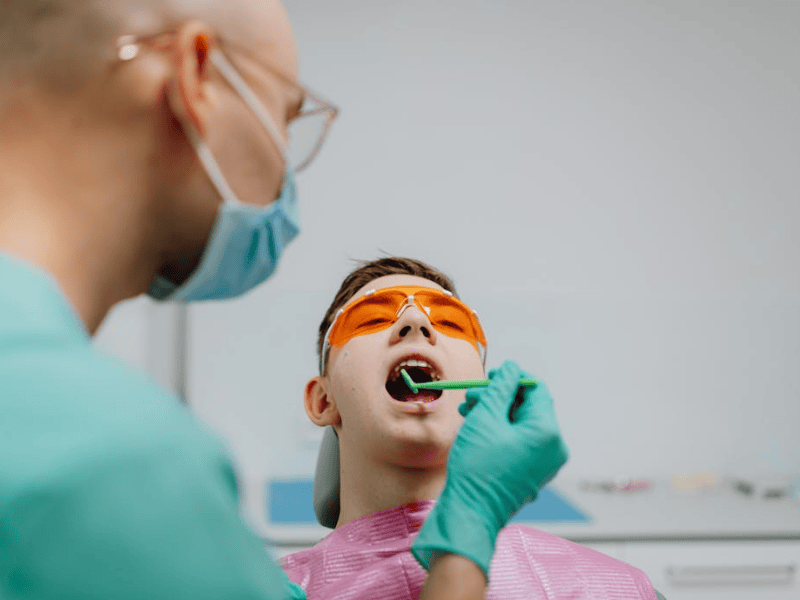
Does Medicaid pay for braces? (Image by Pexels)
Many families searching online for answers ask the same question: Does Medicaid cover braces in their state?
Because Medicaid dental benefits are handled differently across states, understanding whether Medicaid pays for braces early can help families avoid delays and unexpected costs.
If you are unsure whether Medicaid pays for braces for your situation, checking your state Medicaid dental plan is an important first step.
In general, Medicaid may pay for braces when they are considered medically necessary. Coverage is not automatic, and cosmetic orthodontic treatment is usually not included.
Each state sets its own dental benefits, so coverage rules can vary widely by location.
For many families, understanding whether Medicaid covers braces starts with understanding how medical necessity is defined and how approval works.
2. When Does Medicaid Cover Braces?
Medically Necessary vs Cosmetic Braces
Medicaid typically covers braces only when they are needed to correct a serious dental or jaw problem. Braces used to improve appearance alone are usually not covered.
The key factor is whether the condition affects health, function, or development rather than appearance.
Conditions That May Qualify for Coverage
Certain dental and jaw conditions are more likely to qualify for Medicaid coverage. These may include severe bite problems, jaw misalignment, or issues that interfere with chewing, speaking, or normal oral development. In children, untreated problems that could lead to long-term health issues are often reviewed more closely.
How Dentists Decide If Braces Are Necessary
A dentist or orthodontist evaluates the condition and determines whether braces are medically needed. Their findings are submitted to Medicaid for review.
Approval is based on clinical guidelines rather than personal preference, which is why documentation and exams are so important.
3. Who Qualifies for Free Braces?
Many people search online to find out who qualifies for free braces, but eligibility depends on age, medical need, and state Medicaid rules.
Medicaid Braces Coverage for Children and Teens
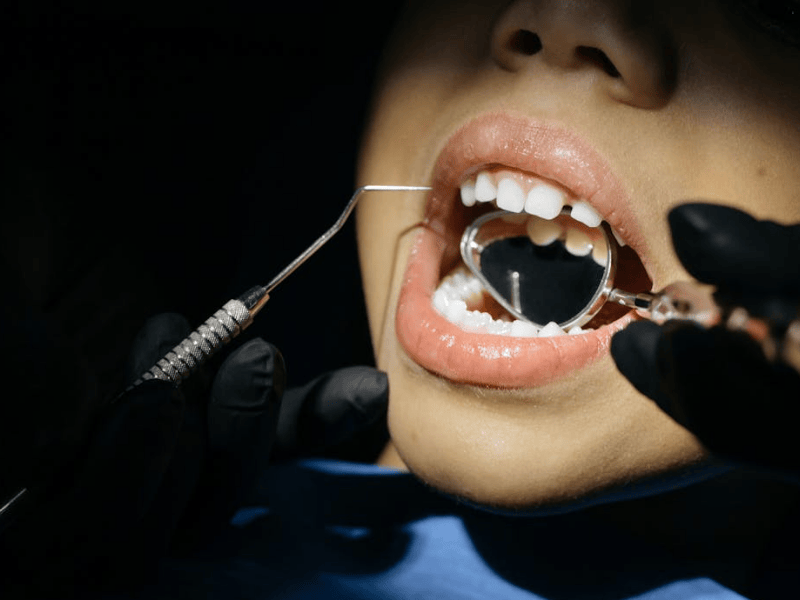
Medicaid coverage for braces for children and teens. (Image by Pexels)
Children and teens are more likely to qualify for Medicaid-covered braces. Federal rules require states to provide comprehensive dental care for children enrolled in Medicaid, including treatment for serious orthodontic issues when medically necessary. As a result, younger patients often have a better chance of approval.
Medicaid Braces Coverage for Adults
For adults, Medicaid coverage for braces is much more limited. In many states, adult dental benefits are basic and may not include orthodontic treatment at all.
When braces are covered for adults, it is usually only for severe medical cases rather than routine orthodontic care.
Income and Eligibility Requirements
Medicaid eligibility is based on income, household size, and state guidelines. Once enrolled, coverage for braces still depends on medical need and approval. Meeting income requirements alone does not guarantee orthodontic coverage.
4. Step-by-Step: How to Get Braces Through Medicaid
Understanding the process can help reduce delays and confusion.
Step 1 – Confirm Your Medicaid Dental Benefits
Start by checking what dental services your state Medicaid plan includes. This information can often be found through your state Medicaid office or dental plan provider.
Step 2 – Get a Dental or Orthodontic Exam
Schedule an exam with a dentist or orthodontist who accepts Medicaid. They will assess whether braces are medically necessary and explain the next steps.
Step 3 – Submit Prior Authorization
If braces are recommended, the provider submits a request for Medicaid approval. This step includes medical records, X-rays, and a treatment plan.
Step 4 – Wait for Medicaid Approval
Approval times vary by state. Some requests are approved quickly, while others may take weeks or require additional information.
Step 5 – Start Treatment After Approval
Once approved, treatment can begin according to the plan. Medicaid usually covers specific parts of treatment that were approved, but families should confirm what is included before starting.
5. How Do You Get Braces If You Don’t Have Money?

How to get braces if you don’t have money( Image by Pexels)
If Medicaid does not cover braces, families still have options. Some dental schools and community clinics offer lower-cost orthodontic care. Payment plans through orthodontists may also help spread out costs over time.
Talking openly with providers about financial limits can lead to more affordable solutions. While braces can be costly, asking questions early may uncover options that fit within a limited budget.
Medicaid Dental Coverage by State
Medicaid dental benefits vary by state. Some states offer broader orthodontic coverage for children, while others limit benefits more strictly. Adult coverage varies even more. Because rules change, it is important to check the current state guidelines before starting treatment.
6. How Medicaid Users Can Get Enhanced Support
Beyond dental care, Medicaid recipients often qualify for additional support to manage daily needs.
Medicaid participation automatically qualifies you for the Lifeline program. Lifeline provides low-income individuals with phone or internet service at no monthly cost, helping them manage healthcare and other daily needs.
Staying connected makes it easier to communicate with dental offices, track approval updates, and manage follow-up care.
7. FAQs
Does Medicaid pay for braces for adults?
In most states, adult braces are only covered in rare medical cases. Routine orthodontic care is usually not included.
Who qualifies for free braces with Medicaid?
Children and teens with medically necessary dental conditions are the most likely to qualify.
How do you get braces if you don’t have money?
Options may include Medicaid coverage for children, community clinics, dental schools, or payment plans through providers.
Does Medicaid cover braces in every state?
No. Coverage rules vary by state, and benefits may change over time.
Final Words
So, does Medicaid pay for braces? The answer depends on age, medical need, and state rules. Children with serious dental conditions are more likely to receive coverage, while adults face more limits. For those who qualify for Medicaid, additional programs such as Lifeline can help with everyday needs.
Related SenGov Guides
- Free Stroller With Medicaid? What Coverage Really Looks Like in 2026
- Can You Have Medicaid and Private Insurance Together? What Dual Coverage Really Means in 2026
- Does Medicaid Cover Accutane 2026? Why Coverage Is Strict and What You Must Do
- Does Medicaid Cover Braces in 2026? What’s Covered, Who Qualifies, and Real Alternatives