

On This Page
Unexpected phone calls about Medicare can feel confusing, especially when the caller sounds official or urgent.
Many scams today target older adults by pretending to represent Medicare, insurance providers, or government agencies. Some callers claim a Medicare card needs replacement, while others ask for personal information such as Social Security numbers, banking details, or Medicare ID numbers.
That is why questions like “does Medicare call you at home” have become increasingly important for beneficiaries and family members trying to avoid fraud.
Understanding how Medicare normally communicates can make it much easier to recognize suspicious calls before personal information is exposed.
1. Does Medicare Ever Call You at Home?
Many scam calls sound convincing because they mention Medicare benefits, replacement cards, or urgent account problems. That is one reason whether Medicare calls someone at home has become such an important concern for many beneficiaries today.
So does Medicare call you at home? The answer is usually no, unless:
- You contacted Medicare first
- You requested a callback
- You are already working with a verified plan representative
- A follow-up is connected to an existing Medicare issue
Medicare itself generally communicates through official mail, secure online accounts, or requested phone contact rather than random cold calls.
The Centers for Medicare & Medicaid Services (CMS) also warns beneficiaries about scams involving fake Medicare representatives requesting sensitive personal information over the phone.
Medicare may follow up by phone in limited situations, but only when the beneficiary has initiated contact first. An unsolicited call requesting sensitive personal or financial information is almost always a warning sign and not how Medicare typically operates.
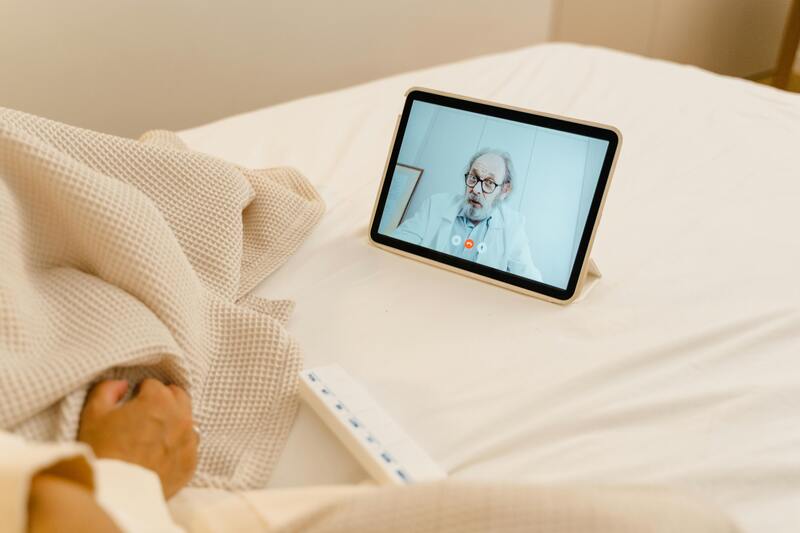
Does the Medicare office call you at home? Scam calls often pretend to represent Medicare services. (Image by Pexels)
How Medicare Normally Sends Replacement Cards?
Does Medicare call you at home about a new card? In fact, many scam calls begin by claiming a new Medicare card is required immediately.
In reality, replacement Medicare cards are typically mailed directly through official Medicare processes rather than arranged through unexpected phone calls. Medicare generally does not randomly call beneficiaries demanding verification information in order to issue updated cards.
CMS explains that beneficiaries can request replacement cards securely through official Medicare channels such as their Medicare account or Social Security services.
Common Scam Tactics Involving “New Medicare Cards”
Scammers often take advantage of uncertainty surrounding Medicare updates because many people are unsure whether Medicare calls you at home about a new card is actually part of normal Medicare communication procedures.
Common tactics may include claims that:
- Your Medicare card is expiring immediately
- Benefits will stop unless information is verified
- A “new plastic Medicare card” requires payment
- Your Medicare number must be confirmed urgently
These scam calls frequently target people searching “does Medicare ever call you at home” because the callers try to sound official or government-related.
Some scammers may also spoof caller IDs to appear as if the call comes from Washington, D.C. or a government office.
What to Do if You Receive This Type of Call?
If someone unexpectedly claims to represent Medicare, it is usually safest not to share:
- Medicare numbers
- Banking information
- Social Security details
- Credit card information
- Passwords or verification codes
Instead, users should:
- Hang up immediately
- Contact Medicare directly through official numbers
- Review account activity carefully
- Report suspicious calls if necessary
Users should remember that legitimate Medicare representatives generally do not pressure beneficiaries aggressively over the phone for sensitive financial information.
2. Signs a Medicare Phone Call May Be a Scam
Concerns about fraud have increased partly because countless beneficiaries are not sure whether they get a call from Medicare.
Warning signs of a fraudulent call may include:
- Requests for immediate payment
- Threats involving canceled benefits
- Aggressive pressure tactics
- Requests for Medicare ID numbers unexpectedly
- Promises of “free” medical devices in exchange for personal data
For users wondering “does the medicare office call you at home”, official Medicare communication usually does not involve threatening language or high-pressure sales tactics.
The Federal Trade Commission (FTC) also warns consumers about government impersonation scams involving Medicare and other federal agencies.
Another common warning sign is being asked to “confirm identity” using sensitive information that Medicare should already have on file.
3. Protecting Your Personal Information Starts With Trusted Communication
Many Medicare scam calls succeed because people feel pressured to respond immediately, especially when the caller mentions benefits, medical coverage, or replacement cards.
That is why reliable communication tools matter just as much as recognizing suspicious calls themselves. A dependable phone connection makes it easier to verify healthcare information directly through official sources instead of responding impulsively to unknown callers.
Depending on local availability and inventory, some users may prefer larger-screen devices that make healthcare apps, patient portals, telehealth appointments, and video communication easier to manage.
For example:
- Samsung Galaxy S22 may work well for users who prefer larger displays and clearer readability for appointments, email alerts, and online healthcare access
- Apple iPhones Plus may appeal to users who rely heavily on FaceTime communication with family members, caregivers, or healthcare providers
The enrollment process generally starts by checking eligibility through qualifying programs or income requirements, reviewing available plans by ZIP code, selecting a device if eligible, uploading verification documents, and completing activation after approval.
Available devices, supported features, and monthly service options may vary depending on state availability, inventory, and Lifeline participation requirements.
Final Thoughts
If you wonder “does Medicare call you at home”, they usually don’t, especially if it involves unexpected requests for sensitive personal or financial information.
While Medicare representatives may contact beneficiaries in limited situations connected to existing requests or accounts, random calls involving urgent card replacements, payment demands, or identity verification should be treated carefully.
Learning how official Medicare communication normally works can make it much easier to recognize suspicious calls quickly, especially for people still unsure whether Medicare contacts you at home is something legitimate agencies commonly do unexpectedly.
Understanding how Medicare normally communicates can help beneficiaries recognize scams faster and protect important personal information more safely.