
On This Page
A dermatologist visit can become expensive quickly, especially when biopsies, skin exams, or specialist treatments are involved.
That is why many Medicare beneficiaries want to know exactly which skin care services may qualify for coverage before scheduling an appointment. So, does Medicare cover dermatology visits or the entire process? It may depend on whether the visit is considered medically necessary or purely cosmetic.
While Medicare may help cover certain skin evaluations, infection treatments, or skin cancer-related services, procedures focused mainly on appearance are usually handled very differently under coverage rules.
1. Does Medicare Cover Dermatology Visits?
Yes, Medicare may help cover dermatology services when the care is considered medically necessary.
Coverage usually applies when a dermatologist evaluates, diagnoses, or treats a condition connected to medical symptoms rather than appearance alone.
For example, does Medicare cover dermatology visits often depends on whether the appointment involves:
- Suspicious moles or lesions
- Chronic skin conditions
- Severe rashes or irritation
- Skin infections
- Possible skin cancer
- Medically necessary biopsies
In these situations, Medicare Part B may help cover outpatient specialist visits and approved procedures.
According to the American Academy of Dermatology, one in five Americans will develop skin cancer during their lifetime, making early dermatology evaluation especially important for suspicious skin changes.

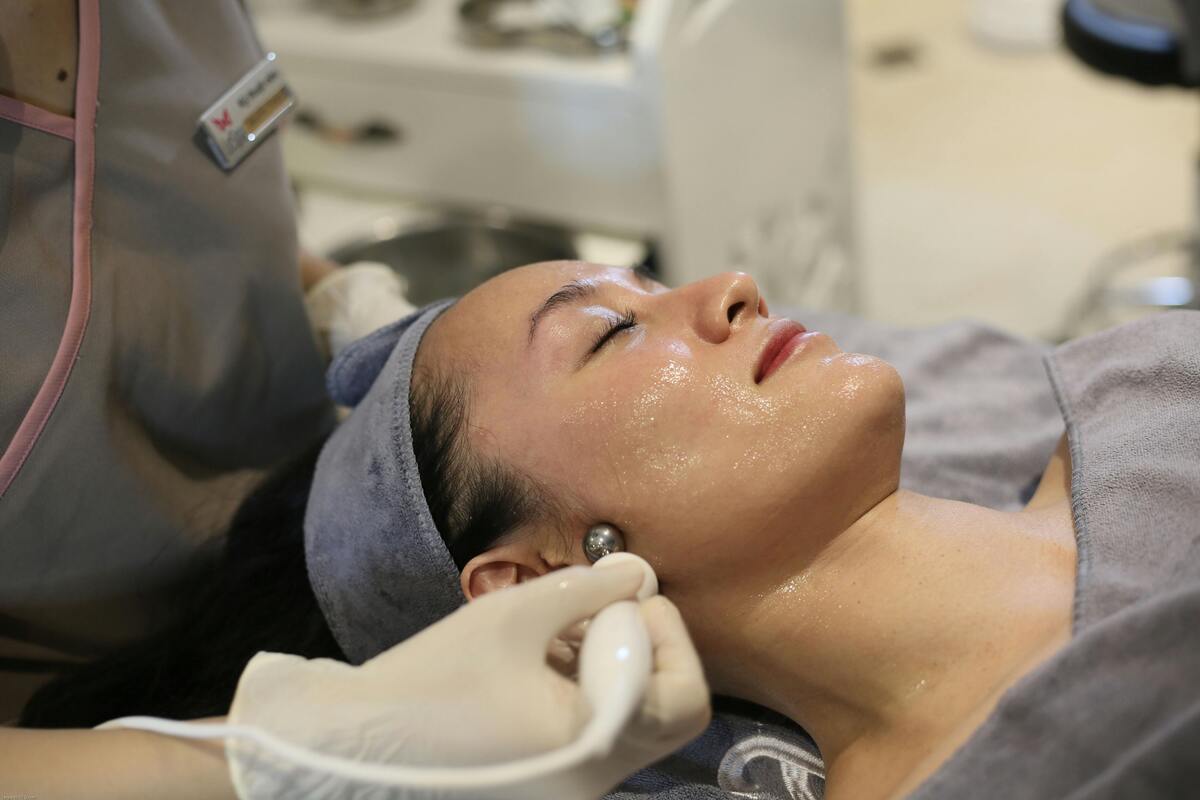
Medicare may help cover medically necessary dermatology care. (Image by Pexels)
When Medicare Usually Covers Dermatology Care?
Dermatology care is more likely to qualify for Medicare coverage when symptoms create legitimate medical concerns.
This may include treatment for:
- Painful skin conditions
- Bleeding lesions
- Severe eczema or psoriasis
- Chronic infections
- Rapidly changing moles
- Precancerous growths
In many cases, Medicare dermatology coverage depends heavily on documentation from the healthcare provider showing why treatment is medically necessary.
For example, a dermatologist removing a suspicious lesion for biopsy review is treated very differently from removing a harmless mole purely for cosmetic appearance.
When Dermatology Visits May Not Be Covered?
Does Medicare cover dermatology appointments? Unfortunately, cosmetic dermatology procedures are usually excluded from Original Medicare coverage.
This may include treatments such as:
- Wrinkle reduction procedures
- Cosmetic Botox injections
- Elective mole removal
- Scar reduction for appearance only
- Cosmetic laser treatments
Even though these procedures are performed by dermatologists, Medicare often considers them non-essential because they are not directly tied to medical diagnosis or treatment.
2. What Dermatology Services Medicare Part B May Cover?
Medicare Part B may help cover several outpatient dermatology services under approved circumstances.
Depending on diagnosis and treatment needs, covered services may include:
- Skin cancer evaluations
- Diagnostic biopsies
- Treatment of infections
- Medically necessary lesion removal
- Certain outpatient dermatology procedures
- Follow-up visits related to approved conditions
According to the Skin Cancer Foundation, more people are diagnosed with skin cancer each year in the U.S. than all other cancers combined.
This is one reason why the question of “does Medicare cover dermatology” becomes especially important for older adults monitoring suspicious skin changes or recurring skin conditions.
Beneficiaries should also remember that Medicare Part B typically involves:
- Deductibles
- Coinsurance costs
- Provider participation rules
Even when a service qualifies for coverage, some out-of-pocket expenses may still apply.
3. Medicare Advantage vs Original Medicare for Dermatology
Medicare Advantage plans sometimes provide broader healthcare coordination compared to Original Medicare alone.
Depending on the plan, beneficiaries may receive:
- Lower specialist copays
- Expanded preventive care benefits
- Additional provider networks
- Simplified coordinated care systems
However, dermatology coverage still varies significantly depending on the insurance provider and plan structure.
Some Medicare Advantage plans may also require:
- Referrals
- In-network dermatologists
- Prior authorization for procedures
At the same time, Original Medicare generally offers broader flexibility when choosing specialists who accept Medicare assignment.
Because plan rules differ widely, reviewing dermatology coverage details before scheduling appointments can help reduce unexpected medical costs.
4. FAQs
Does Medicare Cover Dermatology Appointments for Skin Cancer Checks?
Medicare may help cover skin cancer evaluations when the visit involves medically necessary examination of suspicious lesions, abnormal skin changes, or potential cancer concerns.
What Are the 6 Things Medicare Doesn’t Cover?
Original Medicare commonly excludes:
- Most dental care
- Routine vision services
- Hearing aids
- Cosmetic procedures
- Long-term custodial care
- Most prescription drugs under Original Medicare alone
Does Medicare Require a Referral to Go to a Dermatologist?
Original Medicare usually does not require referrals for specialist visits. However, some Medicare Advantage plans may require referrals depending on plan rules.
How Much Is a Dermatologist Visit With Medicare?
Costs vary depending on:
- Deductibles
- Coinsurance
- Medicare plan type
- Whether the provider accepts Medicare assignment
- The procedure involved during the appointment
Even when Medicare covers part of the service, patients may still owe copays or coinsurance amounts.
Final Thoughts
The answer to “does Medicare cover dermatology” depends mainly on whether the treatment or evaluation is considered medically necessary.
Many medically important skin evaluations, biopsies, infection treatments, and skin cancer-related services may qualify for Medicare Part B coverage under approved conditions. Cosmetic procedures, however, are usually treated differently and often require out-of-pocket payment.
Reviewing coverage details carefully before scheduling dermatology appointments can help beneficiaries better understand potential costs and avoid confusion during treatment planning.