
On This Page
Skin health plays an important role in both comfort and overall well-being, especially when conditions are not addressed early. Many people wonder **does Medicare cover dermatology **when seeking professional care for concerns such as persistent rashes, infections, or potential signs of skin cancer.
Having a clear understanding of what Medicare may cover helps you make smarter healthcare decisions while avoiding unexpected costs. Dermatology services focus on diagnosing and treating issues related to the skin, hair, and nails, making them essential not only for medical treatment but also for maintaining long-term skin health.
1. Does Medicare Cover Dermatology?
Yes, Medicare does cover dermatology services, but only when they are considered medically necessary rather than cosmetic. This includes the diagnosis and treatment of conditions such as skin cancer, infections, severe acne, or suspicious moles that require medical evaluation.
Coverage is typically provided under Medicare Part B when services are performed by a qualified healthcare provider. However, procedures that are purely cosmetic, such as anti-aging treatments or elective skincare, are not covered and must be paid out of pocket.
2. How Much Does Dermatology Cost with Medicare?
Dermatology services under Medicare Part B are typically shared between you and the program rather than fully covered.
After meeting your annual deductible, you are usually responsible for 20% of the Medicare-approved amount for services such as office visits, diagnostic exams, and medically necessary treatments provided by an approved healthcare provider.
This cost-sharing structure helps keep care accessible while still requiring some out-of-pocket contribution.
Many people wonder does Medicare cover dermatology visits or does Medicare cover dermatology appointments, and while coverage is available for medically necessary care, coinsurance and additional charges may still apply.
The final amount you pay can vary depending on the type of treatment, the provider, and whether additional procedures are required. Understanding these potential costs in advance can help you plan more effectively and avoid unexpected expenses.
3. Why Staying Connected Matters for Skin Health?
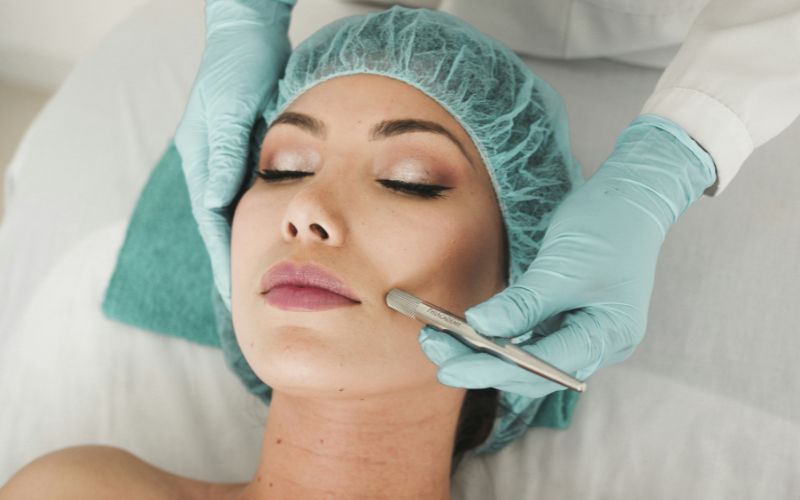
The importance of staying connected for skin health. (Image by Unsplash)
Access to timely care can make a significant difference when it comes to managing skin conditions effectively. Many people also wonder does Medicare cover dermatology, especially when deciding how and when to seek care.
Staying connected helps patients respond quickly to changes and maintain consistent communication with healthcare providers.
- Early detection becomes easier when you can quickly contact a doctor about new symptoms like rashes, infections, or unusual skin changes
- Appointment scheduling is more convenient, helping avoid delays in diagnosis or treatment
- Telehealth access allows patients to receive medical advice without needing to travel, especially for follow-ups
- Treatment adherence improves when patients can stay informed and receive reminders or updates from providers
- Health education becomes more accessible through online resources that help patients understand their condition better
The Lifeline program helps low-income individuals maintain this essential connection by providing discounted communication services.
This makes it easier for eligible users to stay in touch with doctors, manage appointments, and access important health information without adding financial burden.
4. How to Get a Free Phone or Tablet Through a Lifeline Carrier?
Many people exploring healthcare support also ask does Medicare cover dermatology, especially when managing ongoing medical needs.
Since coverage can vary depending on medical necessity, programs like Lifeline can help reduce other monthly expenses while you focus on your health.
Step 1. Check Eligibility
Begin by confirming whether you qualify for the Lifeline program based on either household income or participation in approved government assistance programs.
In most cases, your total household income must be at or below 135% of the Federal Poverty Guidelines, which are updated annually and vary depending on how many people live in your household.
For example, a larger household will have a higher income limit than a single-person household, so it’s important to check the exact threshold for your situation.
If the income-based qualification is not clear, you may still be eligible through programs such as:
- Supplemental Nutrition Assistance Program (SNAP)
- Medicaid
- Supplemental Security Income (SSI)
- Federal Public Housing Assistance (FPHA)
- Veterans Pension and Survivors Benefit
Preparing documents like proof of income, official benefit letters, or a valid ID in advance can help avoid delays and make the application process smoother
You can then select a suitable plan and explore free phone or tablet options. Choosing the right plan ensures you receive the benefits that best match your communication needs.
Step 3. Complete the Application
Fill out the online application form with accurate personal information, including your name, address, and date of birth. If automatic verification is not successful, you may need to upload supporting documents such as proof of eligibility.
Make sure all information is correct to prevent delays or rejection. This step is essential for confirming your identity and qualifying for the Lifeline benefit.
Step 4. Submit and Receive Your Device
Once you have carefully reviewed all your information, complete the application and submit it for approval. After your eligibility is confirmed, the provider will process your request and arrange delivery to your registered address, typically within 7 to 14 business days.
Your package will include clear activation instructions, allowing you to set up and start using your device without confusion.
Following this final step ensures a smooth and hassle-free experience, from submitting your application to receiving and activating your free device.
5. Final Words
Knowing how healthy your skin is can help you avoid unnecessary expenses while ensuring you receive the right treatment when needed. Many people also ask does Medicare cover dermatology, and understanding what is and isn’t covered can make a big difference in how you plan your care.
As such, it is vital for individuals to be prepared and proactive in taking care of their skin and health. This will prevent them from experiencing complications and spending additional money on procedures that may not be covered by Medicare.