
On This Page
Electric wheelchairs can cost thousands of dollars, which is why many people hesitate before even discussing one with their doctor. At the same time, relying on a walker or manual wheelchair may no longer feel realistic for someone struggling to move safely around the house every day.
That is where questions about does Medicare cover electric wheelchairs become important. Medicare may help pay for certain power mobility devices in approved situations, but coverage usually depends on medical necessity, doctor evaluations, and whether the equipment meets Medicare requirements.
1. Does Medicare Cover Electric Wheelchairs?
In many situations, Medicare may help cover electric wheelchairs when a doctor determines the device is medically necessary for use inside the home.
Coverage usually falls under Medicare Part B as durable medical equipment. However, approval depends on several factors, including:
- The patient’s medical condition
- Mobility limitations
- Ability to use other mobility aids safely
- Medical documentation requirements
Because of this, the answer to does Medicare Part B cover electric wheelchairs is often yes in qualifying situations, but not every request is automatically approved.

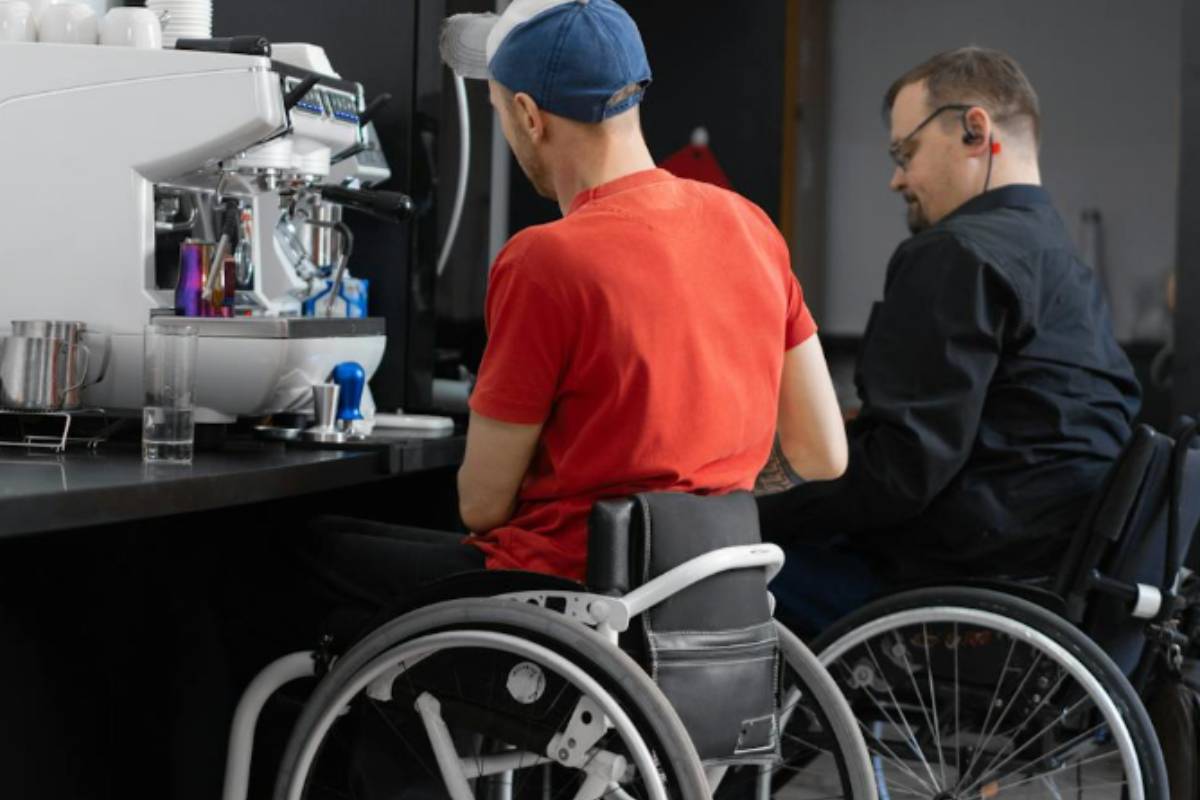
Medicare may cover electric wheelchairs under Part B when they are medically necessary for mobility inside the home and supported by proper medical documentation. (Image by Pexels)
»> Also read: How to Get a Wheelchair Through Medicaid (Step-by-Step Guide)
2. What Types of Power Mobility Devices Medicare Covers
The type of mobility equipment Medicare may approve usually depends on the patient’s medical condition, ability to move safely at home, and whether less advanced mobility aids can meet the medical need first.
For people asking, “Does Medicare Part B cover electric wheelchairs?”, coverage decisions are often based on medical necessity rather than personal preference or convenience.
Electric Wheelchairs
Electric wheelchairs are one of the main power mobility devices Medicare may cover in approved situations.
These devices are often considered when someone:
- Cannot safely use a manual wheelchair
- Has limited upper-body strength
- Needs powered mobility inside the home
- Cannot perform daily activities safely without assistance
When reviewing what electric wheelchairs does Medicare cover, Medicare generally focuses on medically necessary models rather than luxury or upgraded versions.
Power Scooters
Medicare may also help cover certain power scooters.
Scooters are sometimes approved for individuals who:
- Can sit upright safely
- Have enough upper-body control
- Can operate steering controls independently
- Need mobility assistance inside the home
Doctor evaluations and medical documentation are still required before approval.
Manual Wheelchairs in Certain Situations
In some cases, Medicare may approve a manual wheelchair instead of a power mobility device.
This may happen when:
- A manual wheelchair meets the medical need adequately
- The patient can safely operate it
- Power mobility is not considered medically necessary
Coverage decisions are usually based on the lowest-cost device that safely addresses the patient’s mobility limitations.
3. What Costs Might You Still Have to Pay
Even when the answer to does Medicare cover electric wheelchairs is yes for a qualifying patient, some out-of-pocket costs may still apply depending on the equipment, supplier, and type of Medicare coverage involved.
Medicare Part B Deductible
Because electric wheelchairs usually fall under Medicare Part B durable medical equipment coverage, patients may still need to pay the annual Part B deductible before Medicare begins covering its share.
The deductible amount can change from year to year.
Coinsurance Costs
After the deductible is met, Medicare typically pays a large portion of the approved amount for qualifying mobility equipment.
However, even if approved, you may still be responsible for:
- Coinsurance costs
- Remaining approved balances
- Certain supplier-related charges
Supplemental insurance may help reduce some of these expenses, depending on the policy.
Upgrades or Noncovered Features
Some electric wheelchair features may not qualify for Medicare coverage.
This can include:
- Premium seating upgrades
- Advanced customization features
- Nonmedical accessories
- Convenience upgrades
Patients choosing equipment beyond Medicare-approved medical necessity requirements may need to pay the additional cost themselves.
4. How to Get an Electric Wheelchair Through Medicare
For people approved under Medicare’s wheelchair guidelines, getting the device usually involves several medical evaluations and paperwork steps before Medicare authorizes coverage.
Schedule a Face-to-Face Medical Evaluation
Medicare typically requires an in-person medical evaluation before approving an electric wheelchair.
During the appointment, the doctor may review:
- Mobility limitations
- Ability to walk safely
- Fall risks
- Strength and coordination
- Daily activities inside the home
The evaluation helps determine whether a power mobility device is medically necessary rather than simply helpful or more convenient.
Use a Medicare-Approved Supplier
Even if the wheelchair itself qualifies, Medicare may still deny payment when the supplier is not approved by Medicare.
Using a Medicare-approved supplier is important because approved providers follow Medicare billing and equipment requirements directly.
Patients should confirm:
- Supplier Medicare participation
- Approved equipment availability
- Documentation requirements
- Prior authorization rules
before ordering any mobility device.
Submit Medical Documentation and Prior Authorization
Medicare may also require additional paperwork before approving coverage.
This can include:
- Doctor prescriptions
- Medical records
- Mobility evaluations
- Prior authorization forms
- Supporting documentation about daily mobility limitations
Missing information or incomplete paperwork can delay approval significantly.
5. Reasons Medicare May Deny Coverage for Electric Wheelchairs
Even when mobility problems are serious, Medicare does not automatically approve every electric wheelchair request.
Lack of Medical Necessity
One of the most common denial reasons involves medical necessity.
Medicare generally expects documentation showing that:
- The patient cannot safely move around the home
- Other mobility aids are not sufficient
- The power wheelchair is medically required for daily activities
Requests based mainly on convenience or outdoor use may not qualify.
Missing Documentation
Incomplete paperwork can also lead to denials.
Missing items may include:
- Physician evaluations
- Prescriptions
- Prior authorization forms
- Supporting medical records
Even small documentation errors can sometimes delay or block approval.
Equipment Not Approved by Medicare
Not every wheelchair model qualifies for Medicare coverage.
Certain upgraded or specialized devices may fall outside Medicare-approved equipment guidelines, especially when features are considered nonessential or not medically necessary.
Because of this, patients should confirm equipment eligibility before purchasing or ordering any device.
6. A Wonderful Support to Manage Daily Mobility and Healthcare More Easily
Living with limited mobility often means managing much more than the wheelchair itself. Even after qualifying under Medicare requirements for electric wheelchairs, many households still need to balance ongoing healthcare expenses, transportation planning, prescription management, and regular communication with doctors or caregivers.
As medical costs continue adding up, reducing expenses in other parts of daily life may help make long-term care management more manageable.
People who participate in programs such as Medicaid, SSI, SNAP, Federal Public Housing Assistance, or Veterans Pension benefits may also qualify for Lifeline-supported phone service, depending on eligibility requirements.
Lifeline is a federal assistance program that helps eligible low-income households receive more affordable phone service through participating providers.
- Free monthly talk, text, and data
- Compatible smartphone options
- SIM or eSIM activation support
- Bring Your Own Device options in some cases
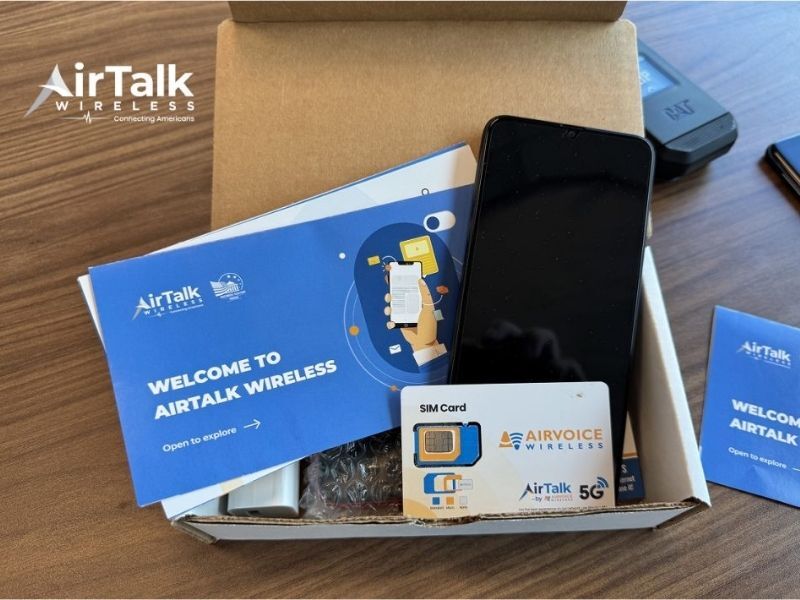
Start your application online and get the best free phone services now.
Reliable phone access can become especially important for people managing:
- Medical appointments
- Pharmacy communication
- Transportation scheduling
- Caregiver coordination
- Healthcare paperwork and follow-ups
- Review available plans and device options
- Confirm your Lifeline eligibility
- Submit proof of eligibility if required
- Complete the application online
Once approved, you can activate your phone or SIM service and start using your plan.
Conclusion
The answer to does Medicare cover electric wheelchairs often depends on medical necessity, proper documentation, and whether the equipment meets Medicare approval requirements. While Medicare Part B may help cover qualifying power mobility devices, patients may still face deductibles, coinsurance costs, or limits on upgraded equipment.
Before purchasing any electric wheelchair, it is important to work closely with healthcare providers and Medicare-approved suppliers to confirm eligibility, required paperwork, and covered equipment options.