
On This Page
Does Medicare cover hearing aids? This is one of the most common questions seniors ask after experiencing hearing loss or beginning to explore hearing care options.
Hearing aids can improve communication, social interaction, and overall quality of life, but the cost of devices, fittings, follow-up adjustments, and routine hearing services can quickly become expensive without insurance support.
Before purchasing hearing devices or scheduling treatment, understanding what Medicare covers, what it excludes, and whether certain Medicare Advantage plans offer additional hearing benefits may help beneficiaries better prepare for potential out-of-pocket costs.
1. Does Medicare Cover Hearing Aids?
Generally, no. According to Medicare Hearing And Balance Exam Coverage Information, Original Medicare typically does not cover hearing aids or routine hearing aid fittings.
Many also search does Medicare Part B cover hearing aids for seniors when reviewing their healthcare benefits. In most cases, Medicare Part B does not cover hearing aids that are used to improve everyday hearing. Beneficiaries are usually responsible for purchasing hearing devices and related services themselves.

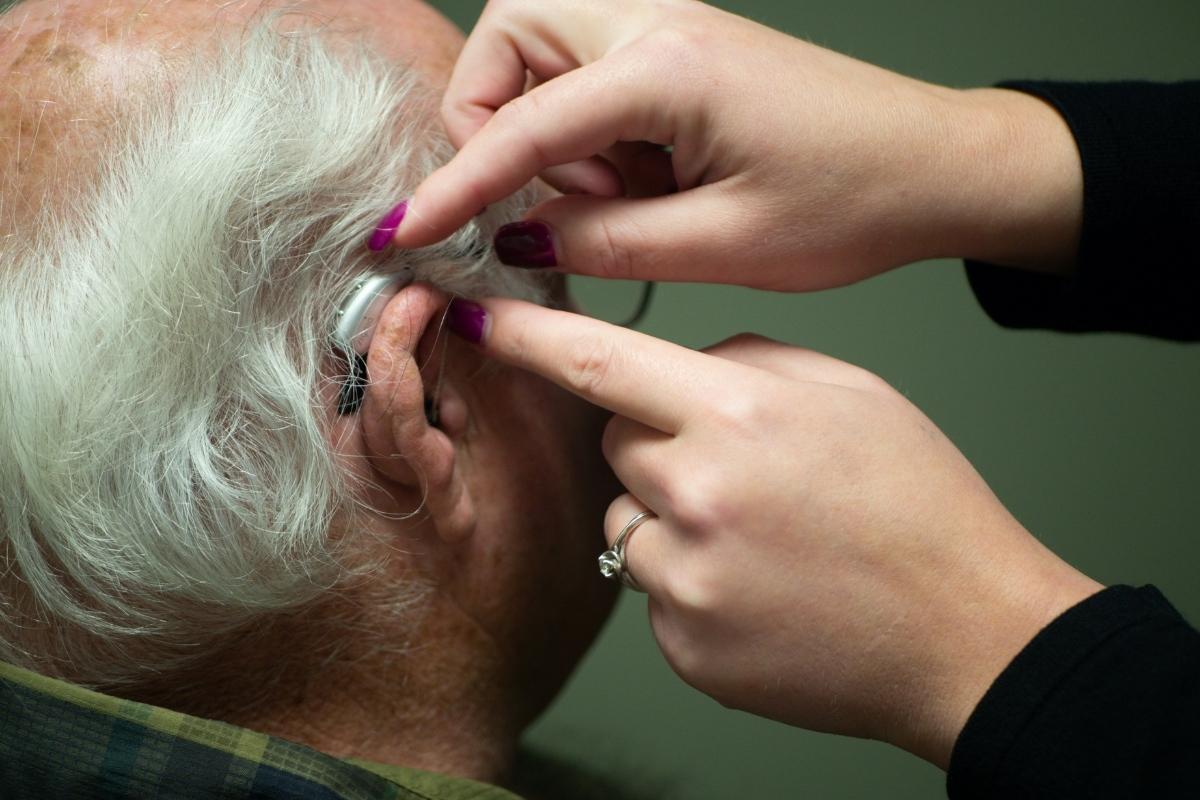
Hearing aids can improve daily communication, but Original Medicare typically does not cover the devices themselves (Image by Unsplash)
On another hand, does Medicare Advantage cover hearing aids?
Unlike Original Medicare, certain Medicare Advantage plans may offer hearing-related benefits, such as hearing exams, hearing aid allowances, or discounts through approved provider networks. However, coverage varies by plan, so reviewing benefit details before purchasing hearing aids is important.
Because hearing devices can be expensive, understanding does Medicare cover hearing aids before exploring treatment options may help seniors better prepare for potential out of pocket costs.
2. Hearing Exams And Services Medicare May Cover
One major reason Original Medicare usually does not cover hearing aids is hearing aids are generally classified as routine hearing support devices rather than medically necessary treatment equipment.
Medicare generally does not cover:
- Routine hearing aid fittings
- Standard hearing aid purchases
- Replacement hearing devices
- Hearing aid maintenance
- Hearing aid batteries
However, diagnostic hearing evaluations ordered by a physician may still be covered when testing is needed to diagnose or manage a medical condition.
Covered services may sometimes include:
- Diagnostic hearing exams
- Balance testing
- Hearing evaluations ordered by a physician
- Certain outpatient medical appointments related to hearing symptoms
These services are typically covered under Medicare Part B when medical necessity requirements are met.
3. What Seniors Should Know Before Buying Hearing Aids
Before purchasing hearing devices, seniors researching “does Medicare cover hearing aids” may benefit from understanding common pricing factors, financial assistance options, and important provider questions.
Average Hearing Aid Costs Without Insurance
For seniors researching does Medicare cover hearing aids, hearing aid pricing can vary widely depending on technology level, device style, provider services, and customization features.
Without insurance coverage, many hearing aids may cost several thousand dollars per pair. Additional expenses may also include:
- Hearing evaluations
- Device fittings
- Follow-up adjustments
- Warranty protection
- Replacement batteries or accessories
For many households, these combined expenses are one reason why questions surrounding does Medicare cover hearing aids continue becoming more common among older adults.
Financial Assistance And Discount Programs
Although Original Medicare usually excludes hearing aid coverage, some seniors may still explore other financial assistance opportunities that help reduce hearing-related costs.
For many households wondering does Medicare cover hearing aids, these alternative assistance options may help reduce the overall financial burden.
Possible options may include:
- Medicare Advantage hearing benefits
- Medicaid assistance in certain states
- Veterans Affairs benefits
- Hearing aid financing programs
- Nonprofit hearing support organizations
- Manufacturer discounts or payment plans
Some hearing providers may also offer refurbished hearing devices or installment payment options that help reduce upfront expenses.
Questions To Ask Before Choosing A Hearing Aid Provider
Before selecting a hearing aid provider, seniors may benefit from asking several important questions regarding costs, warranties, and long term service support.
Helpful questions may include:
- Are hearing exams included in the quoted price?
- How long does the warranty last?
- Are follow up adjustments covered?
- What happens if repairs are needed later?
- Are financing options available?
- Are trial periods offered before final purchase?
4. Qualifying for More Free Benefits That You May Not Know Of
Many seniors managing healthcare costs may also qualify for additional government assistance programs that help reduce everyday communication and living expenses beyond medical treatment alone.
A Program That Supports Your Connection
Programs such as Medicaid, Supplemental Security Income (SSI), SNAP, and the federal Lifeline program may help eligible households lower monthly communication costs.
Although Medicare itself does not automatically qualify someone for Lifeline, seniors who participate in Medicaid or meet qualifying income guidelines may still qualify for discounted wireless service support.
According to the FCC Lifeline Program, millions of Americans currently participate in Lifeline supported communication assistance program that helps eligible households maintain reliable phone access.
This would be a big help for elderly citizens to gain dependable phone service for daily communication needs.
How To Apply for Free Smartphone Services
Depending on qualification status and current availability, applicants may receive smartphone offers from recognized device brands. The package also includes monthly talk, text, and data benefits.
The application process can usually be completed online in just a few steps.
Eligibility is commonly based on participation in programs such as Medicaid, SNAP, Supplemental Security Income (SSI), or other qualifying assistance programs. Some households may also qualify based on income guidelines.
Step 2: Prepare Verification Documents
Before applying, applicants may need to prepare documents that verify:
- Identity
- Address
- Program participation or household income
Examples may include a government-issued ID card, Medicaid approval letter, or recent benefit statement.
Step 3: Submit An Online Application
- Entering personal information
- Uploading required documents
- Selecting available service options in their area
The process is generally designed to be simple and mobile-friendly for seniors and caregivers.
Step 4: Choose A Plan And Device Option
After eligibility review, approved applicants may be able to compare:
- Monthly talk, text, and data benefits
- Smartphone offers based on availability
- Device upgrade options in some locations
Available phones and plans may vary depending on eligibility status and inventory.
Once approved, applicants typically receive confirmation regarding service activation and device shipping timelines.
For seniors managing recurring healthcare communication, reducing monthly phone expenses through Lifeline-supported services may help ease ongoing financial pressure while maintaining reliable day-to-day connectivity.
5. FAQs
How much do hearing aids cost without insurance?
Hearing aid prices vary depending on technology, provider services, and customization features. Many devices may cost several thousand dollars without insurance coverage.
Are hearing exams covered by Medicare?
Medicare may cover certain medically necessary diagnostic hearing and balance exams ordered by a healthcare provider under qualifying medical circumstances.
Can seniors get financial help for hearing aids?
Some seniors may qualify for hearing-related assistance through Medicare Advantage plans, Medicaid programs, Veterans Affairs benefits, nonprofit organizations, or financing programs, depending on eligibility.
Final Words
So does Medicare cover hearing aids? Original Medicare generally does not cover routine hearing aids or hearing aid fittings in most situations.
However, Medicare may still help cover certain medically necessary diagnostic hearing services, while some Medicare Advantage plans may offer limited hearing related benefits.