
On This Page
When it comes to orthodontic treatment, does Medicare cover Invisalign? Can Medicare help reduce the cost of clear aligner treatment?
Invisalign has become increasingly popular among adults seeking a less noticeable alternative to traditional braces for correcting alignment and bite issues. However, Medicare coverage for orthodontic and dental services remains limited in many situations.
1. Does Medicare Cover Invisalign?
In most situations, Medicare Part A and Part B exclude dental procedures that are primarily intended to improve tooth alignment, appearance, or long-term dental correction. Invisalign is considered an orthodontic treatment rather than medically necessary healthcare.
Age alone does not change Medicare’s orthodontic coverage rules. Even when Invisalign treatment may improve comfort, chewing ability, or confidence, Original Medicare still rarely approves coverage for clear aligners used in standard dental correction.
Original Medicare also usually excludes:
- Routine dental exams
- Teeth cleanings
- Fillings
- Dentures
- Orthodontic treatment
- Cosmetic dental procedures
However, Medicare may occasionally cover limited dental-related services when treatment is directly tied to another medically necessary procedure.
For example, certain dental services connected to jaw surgery, facial reconstruction, cancer treatment, or emergency hospital care may qualify for limited Medicare coverage under specific circumstances.

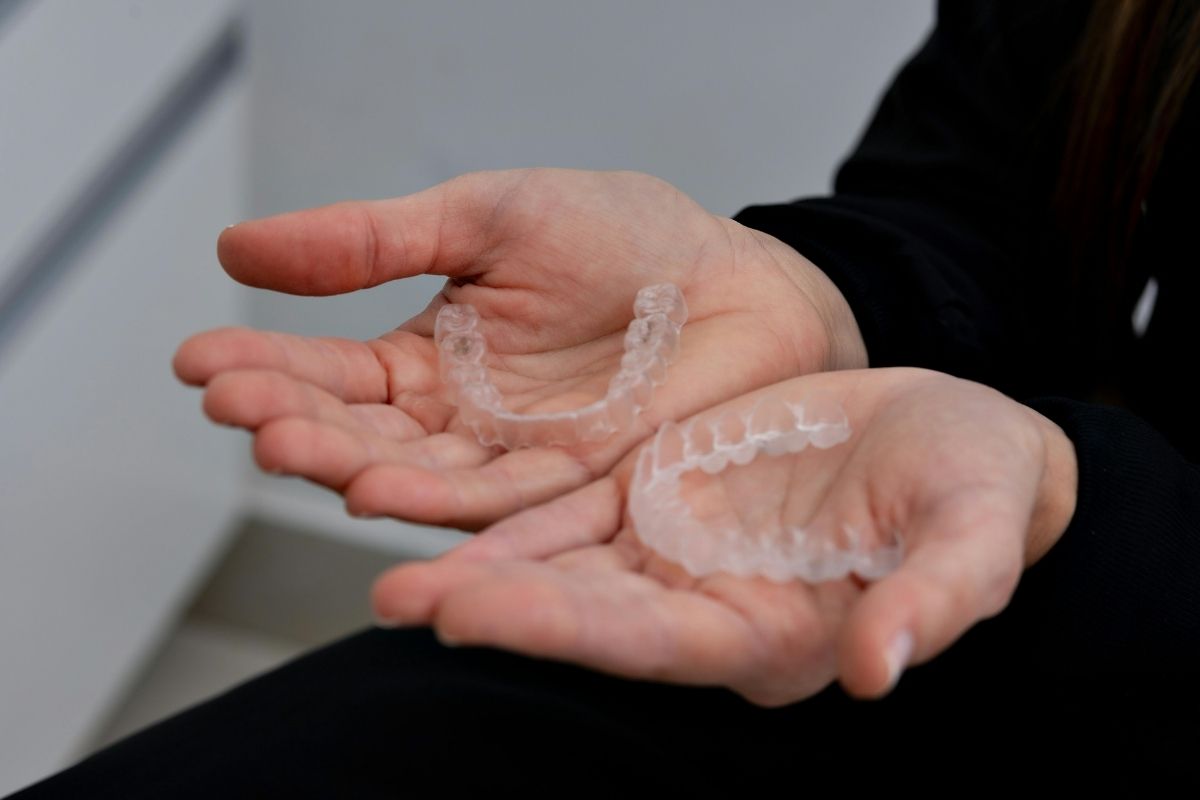
Some adults prefer Invisalign because of its less noticeable appearance compared to traditional braces (Image by Pexels)
2. Does Medicare Advantage Cover Invisalign?
Although Original Medicare rarely covers orthodontic treatment, some beneficiaries may find partial dental benefits through certain Medicare Advantage plans.
How Medicare Advantage Dental Benefits Work
Several Medicare Advantage plans include additional dental coverage that may help reduce costs for preventive care, fillings, dentures, or limited orthodontic treatment. However, benefits vary depending on the insurance provider, coverage tier, and geographic location.
Certain plans may offer annual dental allowances, provider networks, or discounted orthodontic services that could partially reduce Invisalign-related expenses.
Before beginning treatment, beneficiaries should carefully compare:
- Annual coverage maximums
- Participating dental providers
- Orthodontic exclusions
- Coinsurance responsibilities
- Prior authorization requirements
Coverage Limits, Waiting Periods, and Out-of-Pocket Costs
Even when Medicare Advantage dental plans include orthodontic support, coverage limitations may still apply.
Some plans may impose waiting periods before orthodontic benefits become available. Others may only cover a percentage of treatment costs or apply yearly reimbursement caps that remain far below total Invisalign pricing.
For many adults, out-of-pocket expenses may still remain significant despite supplemental dental benefits.
Depending on treatment complexity, Invisalign treatment may cost several thousand dollars even after insurance assistance is applied.
Why Invisalign Coverage Varies Between Plans
Insurance providers use different underwriting rules, dental networks, and orthodontic benefit structures when designing Medicare Advantage plans.
Some plans may classify Invisalign differently from traditional braces because clear aligners are sometimes considered elective or cosmetic. Other plans may provide limited orthodontic support only for medically necessary cases involving severe bite or jaw-related conditions.
Because of these differences, beneficiaries should review plan documents carefully and speak directly with providers before committing to treatment.
3. Alternative Ways To Reduce Invisalign Costs
Check out alternative payment strategies to manage orthodontic expenses.
Dental Discount Plans And Financing Options
Dental discount programs may help reduce Invisalign treatment costs through participating orthodontic provider networks. Instead of traditional insurance reimbursement, these programs typically offer negotiated treatment discounts for enrolled members.
Many orthodontic clinics also provide monthly payment plans, in-house financing programs, or third-party financing partnerships that spread treatment costs across longer repayment periods.
HSAs, FSAs, And Other Payment Alternatives
Some patients may use Health Savings Accounts (HSAs) or Flexible Spending Accounts (FSAs) to help pay for qualifying orthodontic expenses using pre-tax funds.
These accounts may reduce the overall financial burden associated with Invisalign treatment, especially for households already budgeting for ongoing medical or dental expenses.
However, eligibility rules and reimbursement guidelines may vary depending on the account type and individual plan policies.
Questions To Ask Before Starting Invisalign Treatment
Before committing to treatment, beneficiaries may benefit from asking providers several important questions regarding Invisalign costs and insurance coordination.
Important questions may include:
- Does the office accept Medicare Advantage dental plans?
- Are payment plans available?
- What costs are excluded from quoted pricing?
- Are retainers included after treatment?
- Will additional adjustments increase total costs later?
Review these details carefully to avoid unexpected expenses during long-term orthodontic treatment.

Dental consultations may help patients compare Invisalign costs and coverage options before treatment (Image by Pexels)
4. Did You Know Your Qualifications for Other Support Programs?
Medicare beneficiaries may also qualify for additional government assistance programs that help reduce monthly living costs beyond what medical coverage alone covers.
| Program | What it helps with |
|---|---|
| Medicare Savings Programs (QMB, SLMB, QI) | Helps pay Medicare Part A and/or Part B premiums and may cover deductibles, coinsurance, and copayments. |
| Medicaid (for Dual-Eligible Beneficiaries) | Provides health coverage and cost assistance. |
| Lifeline Program | Helps eligible low-income households afford phone and internet services. |
| Program of All-Inclusive Care for the Elderly (PACE) | Provides comprehensive medical and long-term care services for eligible older adults who wish to remain in their communities. |
| Supplemental Nutrition Assistance Program (SNAP) | Monthly food assistance for low-income individuals and families. |
| Low Income Home Energy Assistance Program | Helps pay home heating and cooling bills and energy-related emergencies. |
| Supplemental Security Income (SSI) | Monthly cash assistance for eligible seniors and individuals with disabilities who have limited income and resources. |
About Lifeline program:
Depending on location and available promotions, qualified users may receive free monthly talk, text, and data benefits, along with smartphone offers from popular brands.
Eligible applicants can typically enroll online by submitting the required documentation and selecting an available plan.
Medicare recipients who also participate in Medicaid, SNAP, or SSI may qualify for Lifeline benefits. If eligible, applying for Lifeline can help reduce monthly communication costs while ensuring reliable access to family and essential services.
5. FAQs
Can Medicare cover orthodontic treatment?
Original Medicare generally does not cover routine orthodontic treatment, including braces or Invisalign, unless services are directly tied to a medically necessary medical procedure.
How much does Invisalign cost without insurance?
The total cost may vary depending on treatment complexity, provider pricing, and treatment length. Many Invisalign treatments cost several thousand dollars without insurance assistance.
How much does Medicare cover for Invisalign?
In most situations, Original Medicare does not cover Invisalign treatment. Some Medicare Advantage dental plans may offer limited orthodontic assistance depending on plan details.
Is 65 too old for Invisalign?
No. Adults over 65 may still receive Invisalign treatment if their dental health and orthodontic condition make them good candidates for clear aligner therapy.
How to get Invisalign if you can’t afford it?
Some patients explore financing plans, dental discount programs, HSAs, FSAs, or limited orthodontic benefits through Medicare Advantage dental coverage to help reduce costs.
Final Words
In summary, Original Medicare generally does not cover Invisalign treatment or routine orthodontic care for adults. Most patients remain responsible for treatment costs unless they have additional dental benefits through Medicare Advantage or other supplemental coverage.
Related SenGov Guides
- Does Illinois Medicaid Cover Dental Implants? What Adults Need to Know
- Does Medicaid Cover ADHD Testing for Children and Adults? What You Need to Know 2026
- Does Medicaid Cover Braces in Texas? What Families and Adults Need to Know
- Does Medicaid Cover Eye Exams? Best Guide for Adults, Children, and State-by-State Coverage