
On This Page
Knee pain can slowly turn everyday movement into a challenge.
For many older adults, walking upstairs, standing for long periods, or even getting out of bed becomes increasingly difficult once severe arthritis or joint damage starts affecting mobility. When physical therapy, medication, and injections stop providing relief, knee replacement surgery often becomes the next option doctors recommend.
Because these procedures can involve hospital stays, outpatient care, rehabilitation, and long recovery periods, many beneficiaries want to know exactly how much Medicare may help cover beforehand. That is one reason does Medicare cover knee replacement remains such a common topic among seniors preparing for orthopedic treatment.
1. Does Medicare Cover Knee Replacement Surgery?
Yes, Medicare may help cover knee replacement surgery when the procedure is considered medically necessary.
In many situations, it depends on whether a doctor determines the patient’s joint damage, chronic pain, or mobility limitations require surgical treatment after other options have failed.
Coverage may apply to procedures involving:
- Severe osteoarthritis
- Joint deterioration
- Chronic knee pain
- Limited mobility
- Medically necessary surgical replacement
According to the American Academy of Orthopaedic Surgeons, knee replacement surgery remains one of the most common procedures performed to reduce pain and improve mobility in patients with severe joint damage.

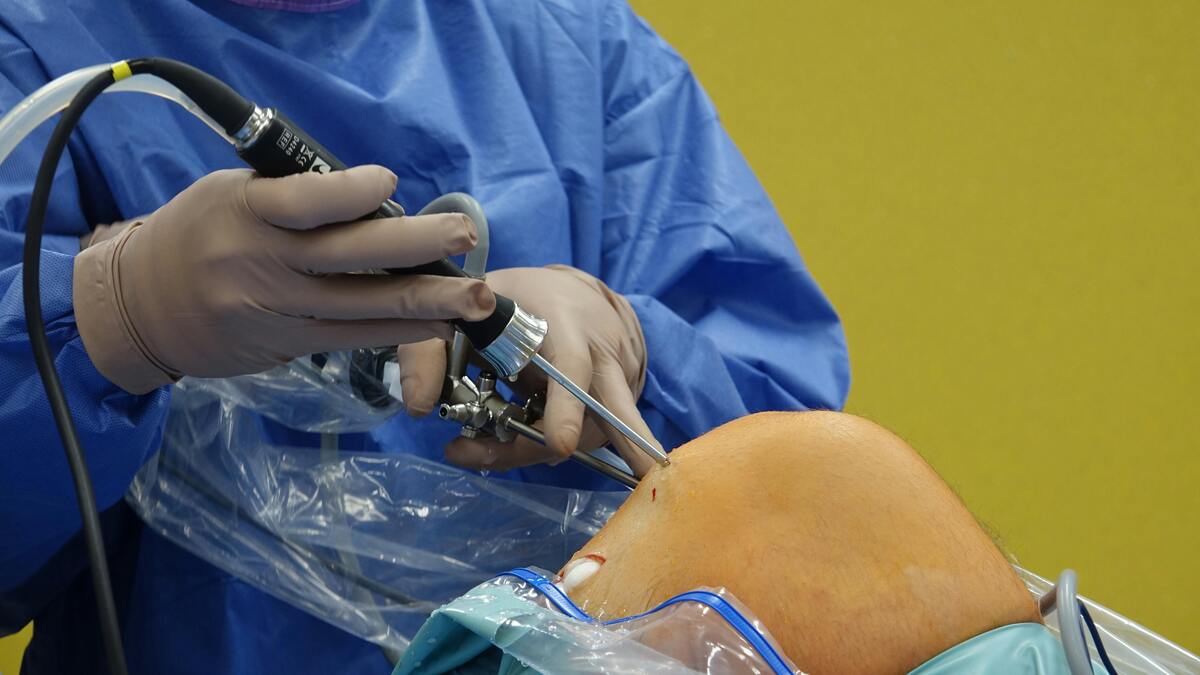
Knee replacement recovery often involves ongoing rehabilitation and follow-up care. (Image by Pexels)
Total Knee Replacement Coverage
In many cases, Medicare may help cover medically necessary total knee replacement procedures.
This is why “does Medicare cover total knee replacement**”** is commonly asked by patients dealing with severe arthritis or advanced joint deterioration.
Coverage may include portions of:
- Hospital care
- Surgical procedures
- Anesthesia
- Physician services
- Rehabilitation treatment
However, patients may still owe deductibles, copays, or coinsurance depending on the specific Medicare plan involved.
Robotic-Assisted Knee Replacement
Some hospitals and orthopedic specialists now offer robotic-assisted knee replacement procedures.
These systems are designed to help surgeons improve surgical precision and joint alignment during the operation itself.
Because robotic-assisted surgery has become more common, many patients also ask whether Medicare covers robotic knee replacement differently from standard procedures.
Medicare generally focuses more on whether the surgery itself is medically necessary rather than whether robotic technology is used during the procedure.
In many situations, robotic-assisted surgery is billed similarly to traditional knee replacement surgery rather than treated as a completely separate benefit category.
That means robotic technology alone does not automatically guarantee broader Medicare coverage or lower out-of-pocket costs.
In many cases, understanding how Medicare cover knee replacement applies to hospital care, physician services, and rehabilitation treatment can help beneficiaries prepare more realistically for total recovery costs instead of focusing only on the surgery itself.
2. Knee Replacement Surgery: What Parts of the Procedure Medicare May Cover
Knee replacement treatment often involves much more than the surgery itself.
Depending on medical necessity and the treatment plan involved, Medicare may help cover several stages of care connected to the procedure.
This may include:
- Pre-surgical evaluations
- Imaging and diagnostic testing
- Hospital services
- Surgical facility costs
- Physician care
- Anesthesia services
- Follow-up appointments
According to the National Institutes of Health, recovery and rehabilitation planning play a major role in long-term knee replacement outcomes, especially for older adults managing mobility limitations.
Because treatment often extends beyond the operating room itself, reviewing total expected healthcare costs before surgery can help patients prepare more effectively.
3. What Medicare Part A and Part B Cover for Knee Replacement?
Because surgery costs are often split between inpatient and outpatient care, many beneficiaries researching “does Medicare cover knee replacement” are surprised to learn that Medicare Part A and Part B may each cover different portions of treatment and recovery.
Medicare Part A and Part B may each help cover different portions of knee replacement treatment.
Generally:
- Medicare Part A may help cover inpatient hospital care related to surgery
- Medicare Part B may help cover outpatient services, physician care, diagnostic testing, and rehabilitation-related treatment
However, exact coverage amounts still depend on:
- Deductibles
- Coinsurance
- Hospital participation
- Provider acceptance of Medicare assignment
- Medicare Advantage plan structure
Some beneficiaries may also carry supplemental insurance that helps reduce certain out-of-pocket costs after surgery.
Because coverage rules vary between plans, reviewing benefits before scheduling surgery can help patients better understand possible financial responsibilities.
4. What Recovery Services Medicare May Help Cover?
Recovery after knee replacement surgery can take weeks or even months depending on the patient’s condition and rehabilitation progress.
Medicare may help cover certain medically necessary recovery services such as:
- Physical therapy
- Rehabilitation visits
- Mobility equipment
- Follow-up evaluations
- Limited home healthcare support under approved conditions
Patients recovering from surgery often rely heavily on communication tools during rehabilitation, especially for appointment reminders, telehealth check-ins, prescription updates, and caregiver coordination.
Recovery support can become just as important as the surgery itself, especially for patients wondering whether does Medicare cover knee replacement extends beyond the hospital stay into rehabilitation and follow-up treatment.
5. Staying Connected During Surgery Recovery Matters
Recovery after knee replacement surgery often involves constant communication between patients, caregivers, rehabilitation specialists, and healthcare providers.
Beyond the question of “does Medicare cover knee replacement,” many older adults face another practical concern during recovery: managing communication. Physical therapy schedules, prescription reminders, follow-up appointments, telehealth consultations, and transportation coordination are now commonly managed through smartphones and connected devices instead of paper schedules alone.
For users recovering at home, larger screens, dependable battery life, and stable video calling may become more important than high-end entertainment features.
Some devices that may work well during recovery and rehabilitation include:
- Samsung Galaxy A52 5G for larger on-screen visibility during telehealth visits and healthcare app usage
- Moto G Stylus 5G for users who prefer longer battery performance and larger touch controls during recovery periods
- Samsung Galaxy Tab S2 9.7 for video rehabilitation sessions, patient portals, and prescription management on a larger display
Final Thoughts
All in all, does Medicare cover knee replacement? Coverage rules vary depending on the plan involved, but Medicare knee replacement surgery is available when the procedure is considered medically necessary and properly approved by healthcare providers.
Many medically necessary knee replacement procedures, rehabilitation services, and follow-up treatments may qualify for Medicare coverage under approved circumstances. However, deductibles, copays, coinsurance, and recovery-related expenses may still apply depending on the specific plan involved.
Reviewing Medicare benefits carefully before surgery can help patients better prepare for treatment, rehabilitation, and possible out-of-pocket costs during recovery.