
On This Page
When it comes to vision correction,** does Medicare cover LASIK surgery?** LASIK is a popular procedure that can reduce or eliminate the need for glasses or contact lenses. However, Medicare coverage for LASIK is often limited because the surgery is usually considered elective rather than medically necessary.
1. Does Medicare Cover LASIK Surgery?
The answer is that, in most cases, Medicare does not cover LASIK surgery. Original Medicare, including Part A and Part B, usually excludes LASIK.
However, there are exceptions in rare medical situations, such as surgery related to cataract complications or eye injuries. Some Medicare Advantage plans may offer discounts or partial vision benefits for LASIK, so it is important to review your specific plan details carefully.
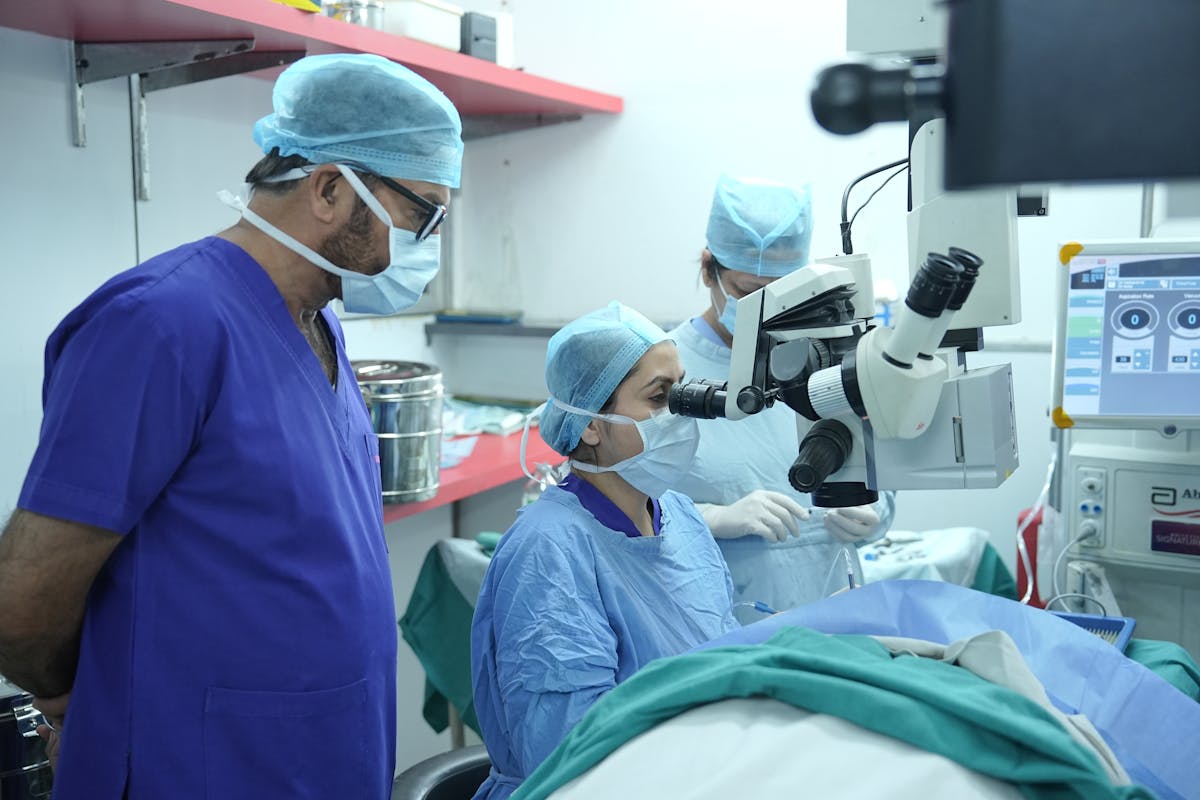
Does Medicare cover LASIK eye surgery cost? In most cases, Medicare does not cover LASIK surgery (Image by Pexels)
2. Why Medicare Typically Does Not Cover LASIK
Medicare primarily covers treatments and services deemed medically necessary for the diagnosis or treatment of health conditions.
Since LASIK is designed to reduce dependence on glasses or contact lenses, it is usually viewed as a convenience rather than a required treatment.
In most cases, Medicare covers eye care related to medical conditions such as cataracts, glaucoma, or diabetic eye disease, but not refractive surgeries like LASIK. Because of this classification, beneficiaries are often responsible for paying the full cost themselves.
3. Alternative Coverage & Payment Options
Although Original Medicare usually does not pay for LASIK surgery, there are still several ways to reduce the overall cost of the procedure.
Here are some alternative coverage options, financing plans, and discount programs to make LASIK more affordable.
Medicare Advantage Vision Benefits
Some Medicare Advantage plans, also known as Medicare Part C, provide additional vision benefits beyond those offered by Original Medicare.
While these plans may not fully cover LASIK surgery, certain providers include discounts, reduced pricing, or vision care allowances that can lower out-of-pocket expenses.
Coverage varies depending on the insurance company and plan type, so review your policy details carefully before scheduling surgery.
Vision Insurance Plans
Private vision insurance can sometimes help offset LASIK costs. Certain vision plans partner with LASIK providers to offer discounted procedures for members. These savings may range from a few hundred dollars to a percentage off the total cost of the surgery.
If you are considering LASIK in the future, enrolling in a vision insurance plan with surgical discounts may help reduce your long-term costs.
Flexible Spending Accounts and Health Savings Accounts
Flexible Spending Accounts (FSA) and Health Savings Accounts (HSA) are popular payment options for LASIK surgery. Both accounts allow individuals to use pre-tax dollars for qualified medical expenses, including many vision correction procedures.
Using an FSA or HSA can lower the effective cost of LASIK because the funds are not subject to federal income tax.
Financing programs from LASIK providers
Many LASIK clinics offer financing programs that allow patients to spread the cost of surgery over monthly payments instead of paying the full amount up front. Some providers partner with healthcare financing companies that offer low-interest or even zero-interest promotional plans for qualified applicants.
Employer and membership discounts
Certain employers, retiree associations, unions, and membership organizations provide access to discounted LASIK services through partner networks.
These programs may not be widely advertised, so checking with your employer’s benefits department or membership organization could reveal additional savings opportunities.

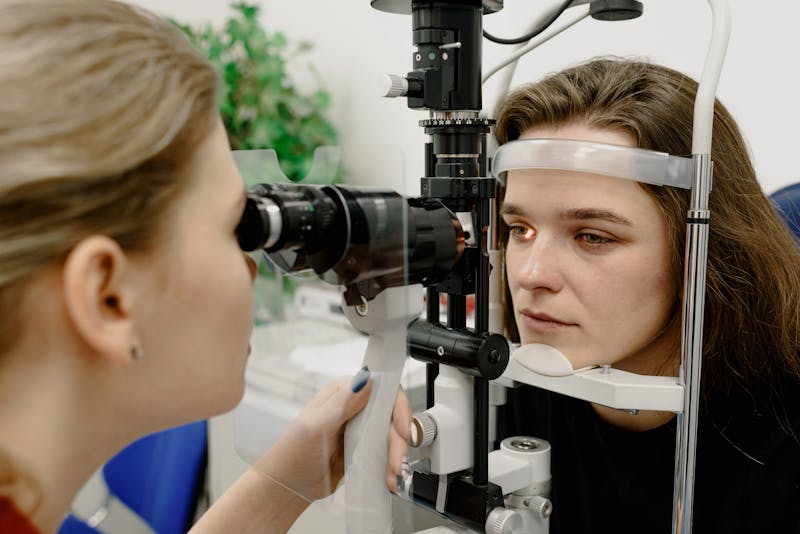
Original Medicare typically does not cover LASIK, but there are other cost-saving options (Image by Pexels)
4. Available Government Programs to Lower Your Monthly Expenses
Lower-income families may face financial pressures in areas such as housing, healthcare, childcare, transport, and daily living costs. To support households with different needs and circumstances, the government provides various assistance schemes aimed at reducing monthly expenses and improving financial stability.
Many of these programs use household income as part of their eligibility criteria.
For instance, the Lifeline program in the U.S. helps reduce the cost of phone and internet services (commonly $9.25 per month) for low-income households with incomes at or below 135% of the Federal Poverty Level, or those who participate in other assistance programs, such as SNAP, SSI, and Medicaid.
In addition, there are other well-known government assistance programs available to help reduce essential living costs, such as SNAP (food assistance), Medicaid (health insurance coverage), Section 8 Housing Choice Vouchers (housing assistance), LIHEAP (energy bill assistance), and WIC (nutrition support for women and children).
If you think you may qualify, don’t miss out on the support available to you.
5. FAQs
Does Medicare cover LASIK cataract surgery?
Original Medicare does not cover LASIK for general vision correction. However, Medicare Part B may cover cataract surgery when it is medically necessary. If the surgery includes a standard intraocular lens, Medicare Part B may help pay for the procedure.
What types of eye surgery does Medicare cover?
Medicare may cover medically necessary eye surgeries, such as cataract surgery, glaucoma-related procedures, and treatment for eye injuries or diseases. Coverage depends on the diagnosis, medical need, and provider approval.
Does Medicare Advantage pay for LASIK?
Some Medicare Advantage plans may offer extra vision benefits or LASIK discounts. However, full LASIK coverage is uncommon. Beneficiaries should check their plan details before scheduling surgery.
Final Thoughts
So, does Medicare cover LASIK surgery? Medicare generally does not cover LASIK because it is considered an elective procedure. Still, beneficiaries may find savings through Medicare Advantage plans, vision discounts, or flexible payment options offered by LASIK providers.
Taking advantage of available assistance programs can also help make healthcare and daily living costs more affordable.