

On This Page
Many people considering vision correction often ask, does Medicare cover LASIK surgery? Understanding the answer can help you plan both your treatment and your budget more effectively. While LASIK is a popular option for improving eyesight, its coverage rules differ from those of medically necessary procedures like cataract surgery. Medicare typically focuses on treatments that address medical conditions rather than elective vision correction.
1. Does Medicare Cover LASIK Surgery?
In most cases, Original Medicare (Part A and Part B) does not cover LASIK surgery because it is viewed as an elective procedure rather than a medical necessity. Medicare focuses on treatments that address eye diseases or serious conditions, such as cataracts or glaucoma, rather than vision correction options chosen for convenience.
This is why many people ask does Medicare cover LASIK eye surgery, and the answer is typically no under standard coverage. However, some Medicare Advantage (Part C) plans may offer limited benefits, discounts, or partner programs that can help reduce the overall cost.
2. What Vision Services Does Medicare Cover Instead?
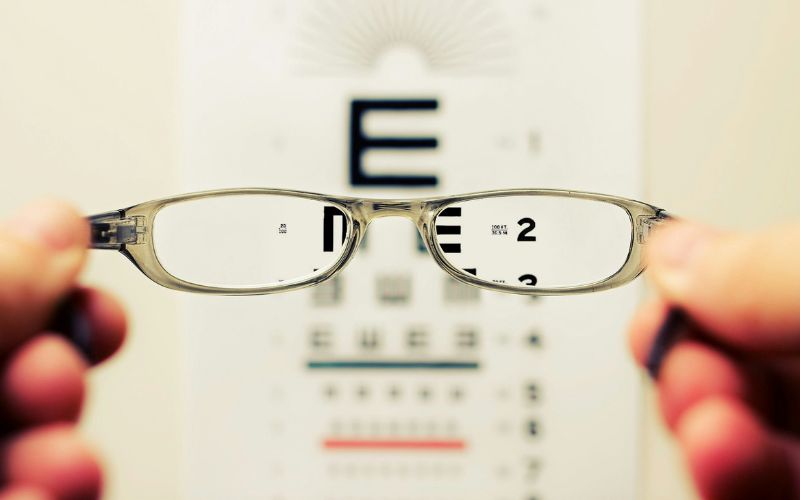
Does Medicare cover LASIK surgery? Some vision services that Medicare covers instead. (Image by Unsplash)
While LASIK surgery is usually not covered, Medicare still supports many essential eye care services that focus on treating medical conditions rather than vision correction.
Under Medicare Part B, key vision services include:
- Cataract surgery, including the replacement of the natural lens with an intraocular lens (IOL)
- One pair of standard eyeglasses or contact lenses after cataract surgery
- Annual diabetic eye exams for people with diabetes to detect retinopathy early
- Yearly glaucoma screenings for individuals at high risk
- Diagnostic tests and certain treatments for macular degeneration
- Eye exams to diagnose and treat medical conditions such as infections, injuries, or chronic eye diseases
These medically necessary services are covered because they address serious eye health issues, which are very different from elective procedures.
That’s why many people ask “Does Medicare cover LASIK cataract surgery” or “Does Medicare cover LASIK surgery for cataracts”. In reality, Medicare only covers the standard cataract treatment and not LASIK for vision correction.
3. How You Can Get Additional Support Beyond Healthcare-Related Benefits?
Many people often confuse Medicare and Medicaid, thinking they provide the same type of support. In reality, Medicare mainly focuses on healthcare services such as hospital care and medical treatments, while Medicaid is designed for individuals with limited income and can include a wider range of assistance beyond just healthcare.
If you want to gain more benefits outside of medical coverage, Medicaid can also connect you to additional support programs.
One important advantage is that Medicaid is a qualifying program for the Lifeline program, which allows eligible users to receive a free phone or tablet to stay connected for daily communication needs.
- Prepare proof of Medicaid participation, such as a benefits letter or official document
- Choose a suitable Lifeline plan and select a free device if available
- Fill out the online application with accurate personal and Medicaid information
- Upload supporting documents
- Review your details carefully and submit the application for approval
- Receive your device within 7-10 business days, along with activation instructions
4. FAQs About LASIK and Medicare
When exploring vision correction options, many people have questions about what Medicare actually covers and how to manage related costs.
What eye procedures are covered?
Medicare mainly covers eye procedures that are considered medically necessary rather than elective. This includes treatments such as cataract surgery, glaucoma testing, and exams related to eye diseases or injuries. Routine vision care and elective procedures like LASIK are generally not included under standard coverage.
Does Medicare cover LASIK eye surgery cost?
In most cases, Medicare does not cover LASIK eye surgery cost because it is classified as an elective vision correction procedure. Since LASIK is not required to treat a medical condition, patients are typically responsible for the full cost.
However, some Medicare Advantage plans may offer discounts or limited benefits that can help reduce expenses, depending on the plan.
How can I reduce healthcare-related costs?
You can reduce healthcare-related costs by understanding your coverage and using in-network providers whenever possible. It is also helpful to explore supplemental insurance plans or assistance programs that can cover gaps in Medicare. Planning ahead and comparing options can make a significant difference in managing out-of-pocket expenses.
Does Medicaid help with more benefits?
Yes, Medicaid can provide additional support beyond what Medicare covers, especially for individuals with limited income. It may help with costs such as copayments, deductibles, or services that are not fully covered by Medicare. In some cases, Medicaid also opens access to programs like Lifeline, which offers free or discounted communication services.
5. Final Words
Understanding “does Medicare cover LASIK surgery?” helps you set realistic expectations before choosing a vision correction option. While Medicare mainly focuses on medically necessary treatments, knowing what is not covered allows you to plan your budget more carefully and avoid unexpected expenses. Exploring alternative options or supplemental coverage can also help you make a more informed decision.