

On This Page
A medical emergency can happen quickly, especially for seniors living alone or managing mobility issues, chronic illness, or fall risks. Because of that, medical alert systems have become increasingly popular among older adults who want faster access to emergency assistance both at home and outside.
Many families assume Medicare automatically helps pay for these systems because they are connected to senior safety and healthcare support. However, the answer to does Medicare cover Life Alert is often more complicated than people expect.
Coverage depends on the type of Medicare plan involved, the specific alert device being used, and whether the system qualifies as medically necessary under Medicare guidelines.
1. Does Medicare Cover Life Alert Devices or Systems?
In most situations, Original Medicare generally does not cover standard Life Alert subscriptions or traditional medical alert monitoring systems.
This means seniors usually pay separately for:
- Monthly monitoring fees
- Emergency response subscriptions
- Wearable pendants
- GPS tracking services
- In-home alert equipment
Questions about does Medicare cover Life Alert systems are common because many people naturally associate emergency alert devices with healthcare protection. However, Original Medicare generally focuses more on medically necessary treatment and approved medical equipment rather than ongoing convenience-based monitoring subscriptions.
The Centers for Medicare & Medicaid Services (CMS) explains that Medicare coverage rules apply mainly to approved medically necessary services and equipment categories.
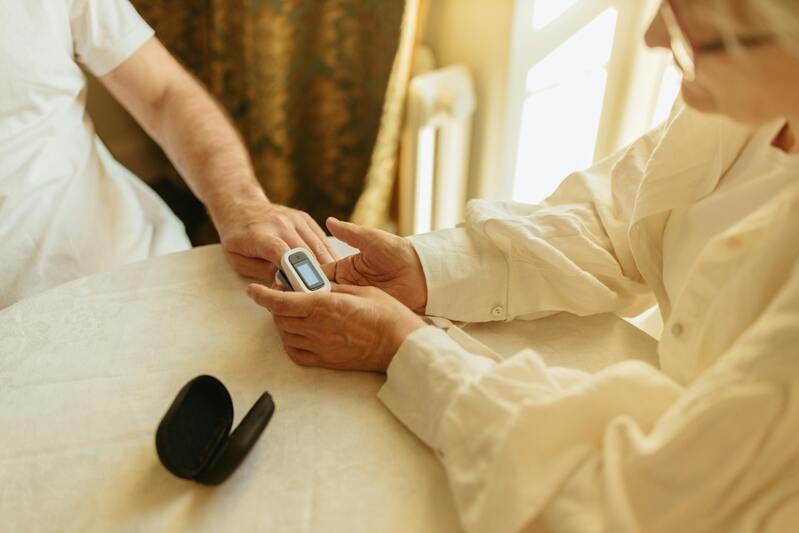
Does Medicare cover Life Alert for seniors?(Image by Pexels)
What Original Medicare Usually Does Not Cover?
Traditional Life Alert-style systems are often excluded because they are not usually classified as medically necessary durable medical equipment under Original Medicare rules.
As a result, unless another type of supplemental coverage is involved, Life Alert is not covered by Medicare Parts A and B.
While a Medicare Advantage (Part C) plan might cover some of the cost, standard systems still require separate monthly payments.
Why Medicare Excludes Many Life Alert Systems?
Medical alert systems mainly focus on emergency communication and personal safety monitoring rather than direct medical treatment itself.
That distinction matters because Medicare coverage rules are typically built around treatments, equipment, and services directly connected to medical necessity.
For example, Medicare may help cover certain mobility-related equipment or rehabilitation devices under approved circumstances, but emergency response subscriptions are often treated differently.
That is one reason whether Medicare covers Life Alert may receive different answers depending on whether the discussion involves Original Medicare, Medicare Advantage plans, or supplemental insurance options.
What Is Commonly Misunderstood?
Some of the rising concerns include questions like “does Medicare cover Life Alert necklace?”. In fact, many seniors believe Medicare automatically covers any product related to fall prevention or emergency health protection.
Another common misunderstanding involves wearable emergency necklaces or pendants. Some advertisements make these products sound universally covered, even though Medicare coverage for medical alert items usually depends on the specific plan and provider involved.
In reality, before activation, wearable alert systems still require:
- Monthly subscription fees
- Cellular connectivity charges
- Equipment purchases
- Monitoring contracts
2. Are There Any Situations Where Medicare May Help With Costs?
Although Original Medicare often excludes standard Life Alert systems, some seniors may still find partial assistance through other coverage options.
Certain Medicare Advantage plans sometimes include broader wellness or safety-related benefits that Original Medicare does not provide directly.
Depending on the insurer, some plans may offer:
- Wellness device allowances
- Home safety support programs
- Flexible over-the-counter benefit credits
- Supplemental healthcare device benefits
Coverage varies significantly between providers and plan structures, which is “why does Medicare cover Life Alert” does not always have the exact same answer for every beneficiary.
Some seniors may also receive support through these programs, especially when fall prevention or emergency response access is considered medically important for independent living:
- Medicaid
- Veterans benefits
- State-level senior assistance programs
- Long-term care support services
3. What Types of Life Alert Systems Seniors Can Choose From?
Medical alert systems today come in several different formats depending on lifestyle needs, mobility level, and whether the user spends more time indoors or outside the home.
In-Home Medical Alert Systems
In-home systems are designed mainly for seniors who spend most of their time inside the house.
These systems often connect through:
- Cellular networks
- Landline service
- Wi-Fi-based home stations
Most setups include a wearable emergency button connected to a base station with two-way communication support.
Mobile GPS Alert Systems
Mobile systems are designed for users who regularly leave home, travel independently, or want emergency coverage while outside.
These systems often support:
- GPS location tracking
- Mobile LTE connectivity
- Fall detection
- Emergency response communication on the go
Because these devices rely heavily on stable wireless coverage, phone compatibility and network quality can become especially important.
Wearable Emergency Buttons and Necklaces
While Medicare may not cover Life Alert necklaces, wearable pendants and emergency necklaces still remain some of the most popular options among seniors.
Many are specifically referring to lightweight wearable devices designed for immediate emergency access during falls or medical incidents.
Instead of functioning only as simple emergency buttons, some newer models now include:
- Automatic fall detection
- Waterproof protection
- GPS tracking
- Voice activation features
- Caregiver notification tools
4. How to Choose the Right Medical Alert System?
The best medical alert system depends more on daily lifestyle and mobility needs than simply choosing the most expensive plan available.
A senior who spends most of the day at home may prefer a simpler in-home setup, while active users who travel frequently often benefit more from mobile GPS systems with nationwide cellular support.
Several important factors usually matter most:
- Battery life
- GPS accuracy
- Cellular network reliability
- Ease of wearing the device
- Monthly monitoring costs
- Fall detection support
Emergency systems also become much more useful when seniors feel comfortable wearing and using them consistently during everyday routines.
5. Reliable Connectivity Matters for Emergency Alert Devices
An emergency alert device is only effective if it can actually maintain a stable connection during a medical emergency.
Many newer alert systems now rely on LTE or 5G cellular connectivity instead of older landline-only setups. That means weak signal coverage, unreliable devices, or outdated phones may affect how quickly emergency calls or GPS alerts are transmitted.
For seniors who already use smartphones regularly, choosing devices with strong battery life, larger displays, and dependable network support may make emergency communication much easier overall.
Depending on availability and eligibility, some devices that may work well for seniors include:
- Samsung Galaxy devices for compact designs with larger modern displays and emergency communication tools
- iPhone 13 for users who want reliable FaceTime communication, emergency SOS support, and location-sharing features
Some seniors may also prefer larger-screen tablet options for telehealth visits, caregiver communication, healthcare apps, or prescription management.
The enrollment process generally begins by checking eligibility through qualifying programs or income requirements, reviewing available plans by ZIP code, selecting a device if eligible, uploading verification documents, and completing activation after approval.
Available devices, supported features, and monthly service options may vary depending on state availability, inventory, and Lifeline participation requirements.
Final Thoughts
The answer to does Medicare cover Life Alert is usually limited under Original Medicare, especially for traditional monitoring subscriptions and wearable emergency systems.
However, some Medicare Advantage plans or supplemental assistance programs may still help reduce costs depending on the type of coverage involved.
Comparing different emergency alert systems carefully can help seniors choose devices that better fit their mobility needs, daily lifestyle, and long-term safety concerns without paying for unnecessary features.