

On This Page
A lift chair can make a big difference for seniors who struggle with standing up safely at home. Conditions like arthritis, joint pain, muscle weakness, or balance problems can turn something as simple as getting out of a chair into a daily challenge.
Because of that, many families eventually ask does Medicare cover lift chairs and whether Medicare helps pay for this type of medical equipment. The answer is more complicated than most people expect because Medicare may only cover certain parts of the chair rather than the entire recliner itself.
Before buying one, it helps to know what Medicare may approve, who qualifies for coverage, and which costs patients may still need to pay out of pocket.
1. Does Medicare Cover Lift Chairs?
Yes, Medicare may help cover part of the cost of a lift chair when it is considered medically necessary. However, coverage is usually limited to the motorized lifting mechanism rather than the entire chair itself.
For patients asking, does Medicare cover power lift chairs? Medicare Part B may provide partial coverage if the chair is prescribed by a doctor and used to help treat a qualifying medical condition that affects mobility or standing ability.
In most situations, Medicare treats the lifting mechanism as durable medical equipment rather than classifying the full recliner as covered furniture. Because of this, patients are often still responsible for paying a portion of the total cost themselves.
Coverage approval usually depends on:
- Medical necessity
- Doctor documentation
- Medicare-approved suppliers
- Qualifying health conditions
Understanding these rules before purchasing a lift chair can help families avoid unexpected out-of-pocket expenses.
Medicare may help cover part of the cost of a lift chair when it is considered medically necessary (Image by Wikimedia Commons)
2. What Part of a Lift Chair Medicare May Pay For
When discussing does Medicare cover lift chairs, one of the most important details involves understanding which parts of the chair Medicare may actually approve for coverage.
Many people assume Medicare pays for the entire recliner, but coverage is usually more limited.
The Motorized Lift Mechanism
Medicare may help cover the motorized lifting mechanism that assists patients with standing up safely from a seated position.
This mechanical component is considered medically necessary in some situations because it can help reduce strain and improve mobility for patients with qualifying conditions.
The lifting mechanism is typically the only portion treated as durable medical equipment under Medicare guidelines.
Why the Chair Itself Usually Is Not Covered
The chair itself is generally considered furniture rather than medical equipment.
Because of that, Medicare usually does not pay for:
- Upholstery
- Cushions
- Reclining features
- Fabric or leather materials
- Decorative chair components
Patients are commonly responsible for covering this portion of the lift chair cost out of pocket.
Durable Medical Equipment Requirements
For Medicare coverage to apply, the lift mechanism must usually qualify as durable medical equipment under Medicare Part B rules.
This often means:
- The equipment must be medically necessary
- A doctor must prescribe the chair
- The supplier must be Medicare-approved
- The chair must be intended for home use
Without these requirements, Medicare may deny coverage even if the patient has mobility limitations.

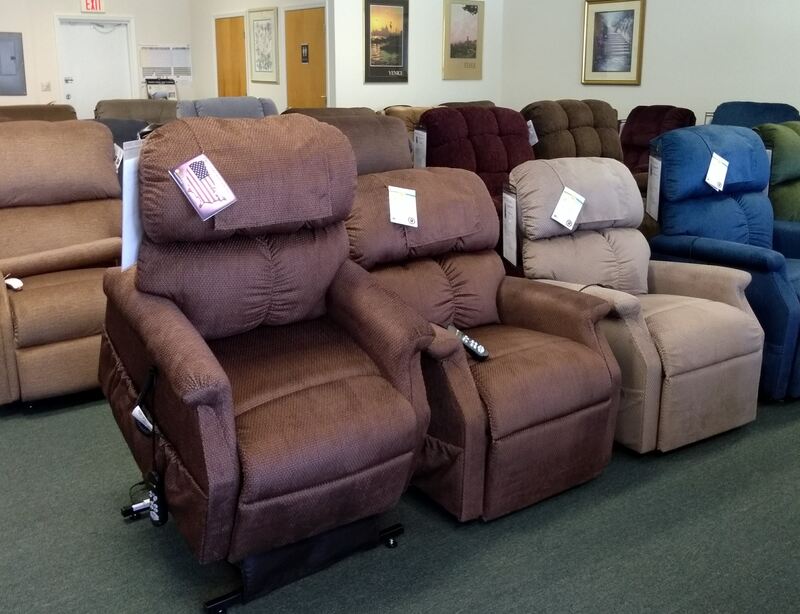
Many people assume Medicare pays for the entire recliner, but coverage is usually more limited (Image by Pexels)
»> Also read: Does Medicare Cover Electric Wheelchairs? What You May Qualify For in 2026
3. Who Qualifies for Medicare Lift Chair Coverage
Although Medicare covers lift chairs is a common question among seniors, not every patient automatically qualifies for coverage. Medicare approval usually depends on medical necessity and the patient’s ability to safely stand without assistance.
Patients with Severe Arthritis or Neuromuscular Conditions
Patients with severe arthritis or neuromuscular disorders are among the most common candidates for lift chair coverage.
Conditions that may qualify can include:
- Severe arthritis
- Muscular dystrophy
- Multiple sclerosis
- Other mobility-related disorders
These conditions can make standing from a seated position difficult or unsafe without mechanical assistance.
Difficulty Standing Without Assistance
Medicare may consider coverage when a patient cannot stand up from a regular chair without significant help.
The lift mechanism must usually help the patient:
- Stand independently
- Improve mobility
- Avoid excessive physical strain
- Reduce fall risk inside the home
Coverage is less likely if the chair is purchased mainly for comfort or convenience.
Doctor Prescription Requirements
A doctor’s prescription is typically required before Medicare considers lift chair coverage.
The physician usually must document:
- The patient’s medical condition
- Why the lift mechanism is medically necessary
- How the equipment supports mobility at home
Using a Medicare-approved supplier is also an important part of the approval process.
4. What Costs You May Still Have to Pay
While researching does Medicare cover lift chairs, many families are surprised to learn that Medicare usually does not pay for the entire chair.
Medicare Part B Deductible
Lift chair coverage typically falls under Medicare Part B because the lifting mechanism is treated as durable medical equipment.
Before Medicare begins paying its share, beneficiaries are usually responsible for meeting the annual Part B deductible. Once the deductible is met, Medicare may begin covering approved costs according to Medicare guidelines.
Coinsurance Costs
After the deductible is satisfied, patients may still pay coinsurance for the covered portion of the lift mechanism.
In many cases, Medicare pays part of the approved amount, while the patient covers the remaining balance. The exact cost can vary depending on:
- The supplier
- Medicare-approved pricing
- Additional insurance coverage
- Medicare Advantage plan terms if applicable
Paying for the Noncovered Chair Portion
One of the biggest surprises for many families is that Medicare usually does not cover the actual chair portion.
Patients are often responsible for paying costs related to:
- The recliner itself
- Upholstery and fabric
- Cushioning
- Additional comfort features
- Nonmedical upgrades
Because of this, the final out-of-pocket amount can still vary significantly between lift chair models.
5. How to Get a Lift Chair Through Medicare
For patients researching does Medicare cover lift chairs, following the correct process is important because Medicare approval usually requires medical documentation and specific supplier requirements.
Visit Your Doctor for Evaluation
The process typically begins with a medical evaluation from your doctor.
Your physician may assess:
- Mobility limitations
- Difficulty standing independently
- Medical conditions affecting movement
- Whether a lift mechanism is medically necessary for home use
A written prescription is usually required before Medicare considers coverage.
Use a Medicare-Approved Supplier
Lift chairs should generally be purchased through a Medicare-approved supplier.
Using an approved supplier helps confirm that:
- The equipment meets Medicare requirements
- Billing follows Medicare guidelines
- The claim can be processed correctly
Using a nonapproved supplier may increase the risk of denied claims or higher out-of-pocket costs.
Submit Medical Documentation
Patients may also need supporting medical documentation during the approval process.
This can include:
- Doctor prescriptions
- Medical records
- Diagnosis information
- Proof of medical necessity
Clear documentation can help reduce delays and improve the chances of coverage approval.
6. Managing Daily Care and Medical Equipment More Easily
Recovering from mobility problems at home often involves more than simply purchasing a lift chair. Many seniors also need ongoing support with transportation, appointment scheduling, prescription reminders, caregiver communication, and regular medical follow-ups.
Making Everyday Healthcare Coordination Easier
Having reliable phone access can help seniors manage daily care more comfortably, especially for those dealing with arthritis, balance problems, muscle weakness, or recovery after medical treatment.
Consistent mobile access may help with:
- Scheduling doctor appointments
- Coordinating medical equipment deliveries
- Receiving prescription refill notifications
- Contacting caregivers or family members
- Staying reachable during emergencies
- Managing follow-up care and therapy visits
For seniors living alone, staying connected can become an important part of maintaining independence and daily safety at home.
Affordable Phone Service Options Through Lifeline
Some Medicare beneficiaries may also qualify for Lifeline depending on income level or participation in programs such as Medicaid or SSI. Lifeline is a federal assistance program that helps eligible households receive more affordable phone service through participating providers.
7. FAQs
Does Medicare Cover Lift Chairs for Elderly?
Yes, Medicare may help cover the motorized lift mechanism for elderly patients when the equipment is considered medically necessary. The chair itself is usually not fully covered.
Does Medicare Cover Stair Lift Chairs?
In most cases, Medicare does not cover stair lift chairs because they are generally considered home modifications rather than durable medical equipment under Medicare Part B.
Does Medicare Cover Lift Chairs for Seniors?
Medicare may provide partial coverage for lift chairs used by seniors with qualifying medical conditions that affect mobility or standing ability. Coverage usually applies only to the lifting mechanism portion.
Conclusion
Questions about does Medicare cover lift chairs often come down to medical necessity, doctor documentation, and Medicare equipment guidelines. While Medicare may help pay for the lift mechanism itself, patients are usually still responsible for the chair portion and some related costs.