
On This Page
Lift chairs can make daily movement safer and more comfortable, especially for seniors with limited mobility. Many people ask does Medicare cover lift chairs and what portion of the cost may be included under their benefits.
1. Does Medicare Cover Lift Chairs?
Medicare Part B may cover part of the cost of a lift chair under specific conditions. Coverage applies only to the motorized lifting mechanism, which is classified as durable medical equipment, while the chair itself is not included. To qualify, a doctor must prescribe the device as medically necessary, often for conditions such as severe arthritis or neuromuscular disease that make standing difficult.
Does Medicare cover power lift chairs? The answer is yes in certain cases, but only for the lifting mechanism, not the entire chair.
To qualify, you must meet specific medical requirements, including being able to walk once standing, and your doctor must provide proper documentation showing that the equipment is medically necessary.
2. Who Qualifies for Lift Chair Coverage with Medicare?

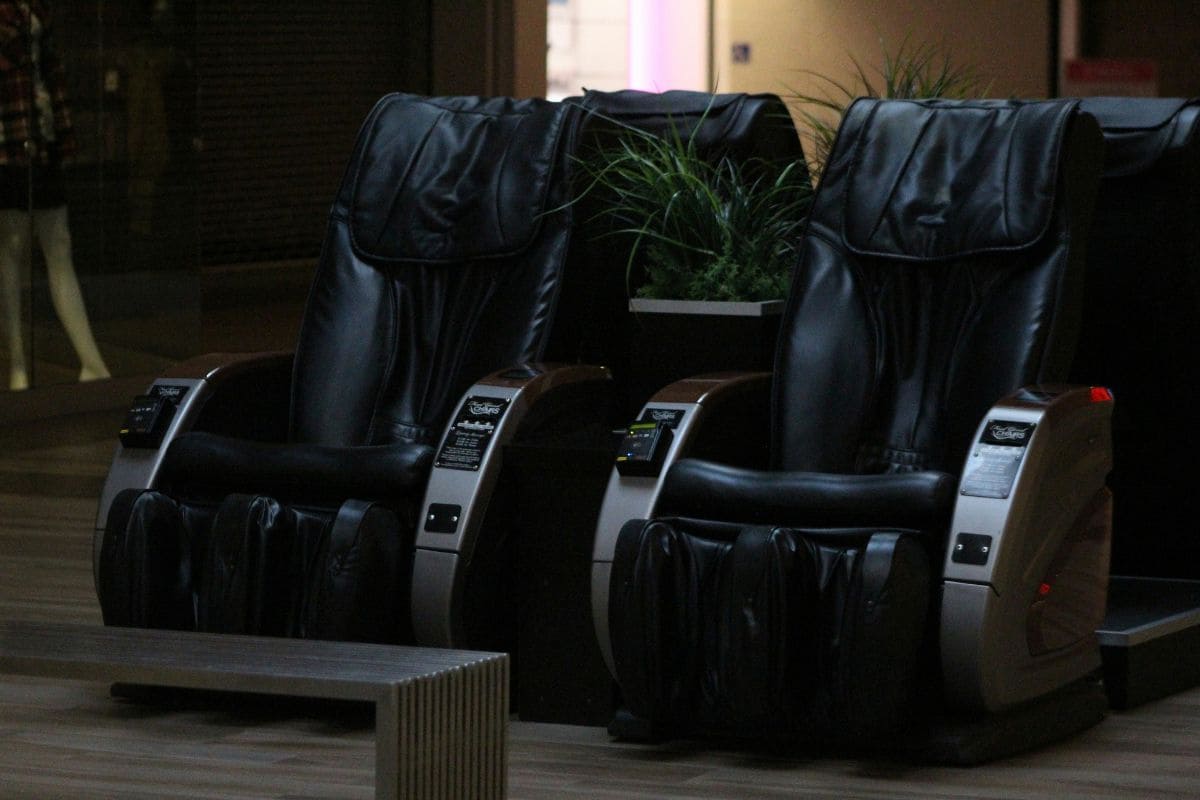
Does Medicare cover lift chairs? Who can get a lift chair from Medicare coverage? (Image by Unsplash)
Meeting Medicare requirements is essential before any coverage is approved. Many people ask does Medicare cover lift chairs for elderly or does Medicare cover lift chairs for seniors, and eligibility depends on specific medical and documentation criteria.
Medicare Coverage Requirement
You must be enrolled in Medicare Part B or a Medicare Advantage plan to qualify. If you are using a Medicare Advantage plan, you need to check directly with your provider because coverage rules, costs, and approved suppliers may vary.
Certificate of Medical Necessity
A doctor must evaluate your condition and provide a prescription confirming that the lift chair is medically necessary.
Your physician is also required to complete the Certificate of Medical Necessity form, also known as CMS-849, to support your claim and ensure it meets Medicare’s coverage criteria. This documentation helps verify that the equipment is essential for your mobility and daily functioning.
Medical Necessity Criteria
To qualify, your condition must meet specific medical requirements:
- You have severe arthritis of the hip or knee, or a serious neuromuscular disease
- You are unable to stand up from a regular chair without assistance
- You can walk once standing, either independently or with a cane or walker
- The lift mechanism is part of a treatment plan to improve or slow your condition
Medicare Participating Supplier Requirement
The lift chair must be purchased from a Medicare-participating supplier that accepts assignment.
This ensures Medicare will pay its approved share of the cost. If the supplier does not accept the assignment, Medicare may not cover the expense, and you could be responsible for the full cost out of pocket.
3. How Much Does Medicare Pay for a Lift Chair?
Many people ask, does Medicare cover stair lift chairs, in most cases, these are not covered because they are not classified under the same category of durable medical equipment.
Medicare may help reduce the cost of a lift chair, but coverage is limited to the seat lifting mechanism rather than the entire chair. If you qualify, the approved reimbursement amount is often only a portion of the total cost, typically a few hundred dollars, depending on your location, meaning you will need to pay the remaining balance out of pocket.
Like other items covered under Part B, you must first meet the annual deductible before coverage applies.
After that, Medicare generally pays 80 percent of the approved amount, while you are responsible for the remaining 20 percent if the supplier accepts assignment.
4. Medicare vs Medicaid: Key Differences for Mobility Equipment
Medicare and Medicaid both help reduce healthcare costs, but they serve different purposes when it comes to mobility equipment.
Medicare Part B typically covers specific items like the lift mechanism of a chair when strict medical criteria are met, while Medicaid often provides broader support depending on state programs, sometimes covering more services or equipment with lower out-of-pocket costs for eligible individuals.
- Check your eligibility and prepare documents such as proof of Medicaid participation or income-based eligibility
- Choose a plan and select a free or discounted device if available in your area
- Enter your personal information and upload documents if required
- Review your application carefully, submit it, and wait for approval
- Once approved, your device is typically delivered within 7 to 10 business days with activation instructions included
5. Final Words
Knowing does Medicare cover lift chairs gives you a clearer view of what support is actually available and what costs you may still need to handle. Medicare can help with the lifting mechanism under certain conditions, but it does not cover the full chair, so planning ahead is important.