
On This Page
An MRI scan can quickly become one of the more expensive diagnostic tests many patients receive, especially when it involves the brain, spine, joints, or internal organs. Even with Medicare coverage, unexpected bills sometimes catch patients off guard after the appointment.
This guide explains does Medicare cover MRI scans, what types of imaging may qualify for coverage, how much patients may still pay, and what situations could lead to denied claims.
1. Does Medicare Cover MRI?
Yes, Medicare may cover MRI scans when the test is considered medically necessary and ordered by a qualified health care provider.
In most situations, MRI coverage falls under Medicare Part B, especially when imaging is performed as an outpatient diagnostic service. Coverage may apply to many types of MRI scans used to diagnose injuries, neurological conditions, chronic pain, organ problems, or other medical concerns.
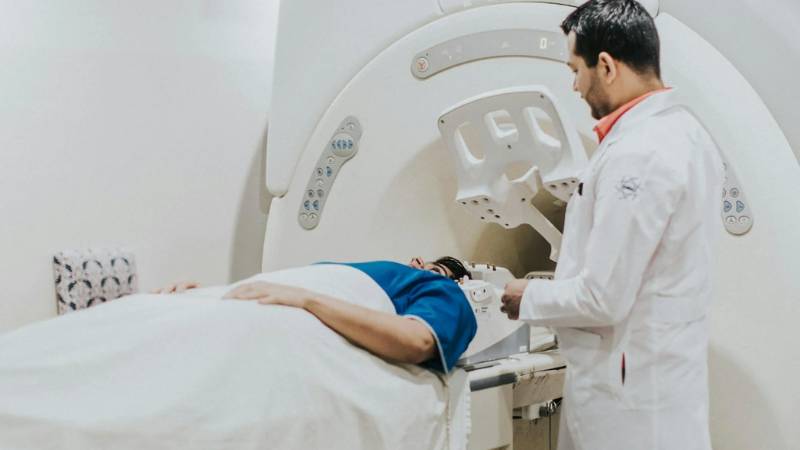
Medicare may cover medically necessary MRI scans under Part B when ordered by a doctor and performed at an approved imaging facility. (Image by Pexels)
For patients wondering does Medicare cover an MRI, approval usually depends on:
- Medical necessity
- Doctor referrals
- Proper diagnosis documentation
- Use of a Medicare-approved imaging facility
Medicare may help cover MRI scans involving:
- The brain
- Spine
- Joints
- Muscles
- Internal organs
- Blood vessels
- Heart-related imaging
However, Medicare does not automatically approve every imaging request. Coverage may be denied if:
- The MRI is not considered medically necessary
- Documentation is incomplete
- The imaging center does not participate in Medicare
- The scan is viewed as experimental or unrelated to treatment
Even when coverage is approved, patients may still have deductibles or coinsurance costs depending on their Medicare plan and the facility performing the scan.
2. What Types of MRI Scans Medicare May Cover
Medicare may cover many different MRI scans when the imaging is ordered to diagnose or monitor a medical condition. Coverage often depends on the reason for the test and whether the scan is medically necessary.
Patients commonly ask questions such as ” Does Medicare cover MRI of spine?”, “Does Medicare cover MRI of brain?”, and “Does Medicare cover MRI scans for joint pain or internal organ problems?”.
In many situations, the answer may be yes if the imaging supports diagnosis or treatment planning.
Brain and Spine MRI
Brain and spine MRIs are among the more commonly covered imaging studies under Medicare.
Doctors may order these scans to evaluate:
- Headaches
- Dizziness
- Stroke symptoms
- Nerve damage
- Spinal injuries
- Chronic back pain
- Neurological disorders
- Possible tumors
MRI imaging provides detailed views of soft tissues, nerves, and the brain that standard X-rays cannot show clearly.
Joint and Muscle MRI
Medicare may also cover MRI scans involving joints, muscles, ligaments, and tendons.
These scans are often used to evaluate:
- Torn ligaments
- Shoulder injuries
- Knee damage
- Arthritis complications
- Muscle injuries
- Unexplained joint pain
Doctors sometimes request MRI imaging when symptoms continue after physical exams or other imaging tests fail to provide clear answers.
Heart or Internal Organ MRI
Some patients receive MRI scans to evaluate organs and internal body systems.
Depending on the situation, Medicare may help cover MRI imaging related to:
- Heart conditions
- Liver problems
- Kidney disease
- Blood vessel abnormalities
- Abdominal pain
- Certain cancers
These scans may help doctors evaluate disease progression, treatment response, or possible internal abnormalities.
Outpatient Diagnostic MRI
Many MRI scans are performed as outpatient diagnostic procedures rather than hospital inpatient services.
Outpatient MRI imaging commonly takes place at:
- Imaging centers
- Outpatient clinics
- Hospital outpatient departments
- Specialty diagnostic facilities
As long as the facility participates in Medicare and the scan meets medical necessity requirements, outpatient MRI services are often eligible for Medicare Part B coverage.
3. What Medicare Requires Before Covering an MRI
Medicare usually requires several conditions to be met before MRI coverage is approved. The imaging must generally support diagnosis or treatment of a medical condition rather than routine screening or patient preference alone.
Doctor Referral or Medical Necessity
MRI scans are typically covered only when a doctor or qualified provider determines the test is medically necessary.
Doctors may recommend MRI imaging when:
- Symptoms remain unexplained
- Other imaging tests are inconclusive
- Serious conditions need evaluation
- Treatment decisions depend on detailed imaging results
Medical necessity is one of the biggest factors affecting whether Medicare approves the scan.
Medicare-Approved Facility
The imaging center or facility performing the MRI usually must participate in Medicare.
Using a Medicare-approved provider may help reduce:
- Claim denials
- Unexpected billing
- Higher out-of-pocket costs
Patients sometimes confirm Medicare participation before scheduling the appointment, especially when using private imaging centers.
Proper Documentation and Diagnosis
Coverage decisions also depend heavily on medical records and documentation.
Providers may need to include:
- Diagnosis information
- Symptoms
- Physician notes
- Treatment history
- Medical justification for the MRI
Incomplete or unclear documentation can sometimes delay approval or affect whether Medicare pays for the imaging service.
4. How Much Does an MRI Cost with Medicare?
Even when Medicare helps cover MRI scans, patients may still have out-of-pocket costs depending on where the scan is performed and whether deductibles or coinsurance apply.
For beneficiaries researching does Medicare cover MRI, understanding the potential cost difference between hospitals, outpatient imaging centers, and Medicare-approved facilities can help avoid unexpected bills later.
Medicare Part B Deductible
Most MRI scans covered by Medicare are billed under Medicare Part B.
Before Medicare begins paying its share, patients usually need to meet the yearly Part B deductible. If the deductible has not yet been satisfied, part of the MRI cost may become the patient’s responsibility.
The amount patients pay can vary depending on:
- Current Medicare rules
- Supplemental insurance coverage
- The imaging facility
- Whether additional services are included
Coinsurance Costs
After the deductible is met, coinsurance may still apply.
Patients are often responsible for a percentage of the Medicare-approved amount for:
- MRI imaging
- Radiologist interpretation
- Outpatient diagnostic services
- Facility-related charges
Because MRI scans can be expensive, coinsurance costs may still feel significant even with Medicare coverage.
Some patients with Medigap or secondary insurance plans may pay less out of pocket depending on their coverage.
Hospital vs Outpatient Facility Pricing
The location of the MRI scan can also affect total costs.
MRI imaging performed in hospital outpatient departments is sometimes more expensive than scans completed at independent imaging centers or outpatient diagnostic facilities.
Patients occasionally compare:
- Hospital pricing
- Outpatient imaging center costs
- Medicare-approved provider networks
- Facility fees
before scheduling the appointment.
Using a Medicare-approved outpatient facility may help lower overall expenses in some situations.
5. Situations Where Medicare May Not Cover an MRI
Although Medicare covers many medically necessary MRI scans, some requests may still be denied depending on the reason for the test and where it is performed.
Tests Not Considered Medically Necessary
Medical necessity is one of the most important factors in MRI approval.
Medicare may deny coverage if the imaging:
- Is considered routine screening
- Lacks supporting medical symptoms
- Is not tied to diagnosis or treatment
- Duplicates recent imaging unnecessarily
Doctors generally need to show why the MRI is important for evaluating or managing a medical condition.
Nonapproved Imaging Centers
MRI scans performed outside Medicare-approved facilities may not qualify for coverage.
Patients who use imaging providers that do not participate in Medicare could face:
- Denied claims
- Higher out-of-pocket costs
- Unexpected billing charges
Before scheduling the scan, many patients verify whether the imaging center accepts Medicare assignment.
Experimental or Unrelated Imaging Requests
Some MRI requests may also be denied if Medicare considers the imaging experimental, investigational, or unrelated to medically necessary treatment.
This may happen when:
- Newer imaging methods are not yet approved
- Documentation is incomplete
- The scan is unrelated to the patient’s diagnosis
- The medical justification is unclear
Proper physician documentation and medical records often play a major role in preventing MRI claim denials.
6. What to Know Before and After an MRI Covered by Medicare
Preparing for an MRI involves more than just showing up for the scan. For many Medicare patients, the process begins days or even weeks in advance.
Before the MRI, patients often need to:
- Get a referral from a primary care doctor or specialist
- Confirm that the MRI is covered under their Medicare plan
- Schedule the imaging appointment with an approved facility
- Follow specific preparation instructions (such as fasting or avoiding metal objects)
- Arrange transportation, especially if sedation is required
Clear communication during this stage helps prevent delays or last-minute cancellations.
On the day of the MRI, patients may be asked to:
- Arrive early for check-in and paperwork
- Remove any metal items (jewelry, watches, hearing aids)
- Inform staff about implants, pacemakers, or medical conditions
- Stay still during the scan, which can take 30 to 60 minutes, depending on the type of imaging
For some, the experience can feel uncomfortable or unfamiliar, especially if it’s their first time.
After the MRI, the process continues:
- Imaging results are reviewed by a radiologist
- Reports are sent to the referring doctor
- Follow-up appointments may be needed to discuss findings
- Additional tests or treatments may be scheduled based on results
This phase often requires multiple calls, updates, and coordination between providers.
Because of these ongoing steps, staying reachable throughout the process can make a meaningful difference. Many patients rely on phone access to manage scheduling, receive updates, and avoid missed instructions.
Some Medicare beneficiaries who also participate in Medicaid may qualify for another federal assistance program called Lifeline. Lifeline helps eligible low-income households reduce the cost of monthly phone service through participating providers.
For patients managing ongoing testing, specialist visits, and follow-up care, reliable phone access can help reduce missed calls, delayed scheduling, and communication gaps during treatment.
Conclusion
MRI scans are often important for diagnosing neurological conditions, joint injuries, chronic pain, and many other medical concerns, which is why patients frequently ask does Medicare cover MRI? “ before scheduling imaging appointments.
Medicare may help cover medically necessary MRI scans when the test is ordered by a qualified provider and performed through a Medicare-approved facility. However, patients may still face deductibles, coinsurance costs, or claim denials in certain situations.
Reviewing referral requirements, confirming provider participation, and understanding potential out-of-pocket expenses ahead of time can help patients prepare more confidently for MRI testing and follow-up care.
Related SenGov Guides
- Does Medicare Cover Chiropractic Care in 2026? Coverage and Costs Explained
- Does Medicaid Cover TB Test Costs? Coverage Rules, Exceptions, and Pricing Explained
- Does Medicaid Cover Wheelchair Lifts in 2026? Coverage Rules for Vehicles and Homes Explained
- Does Medicare Cover Knee Replacement in 2026? Costs, Coverage & Limits Explained