
On This Page
Many older adults are researching safer mobility solutions at home. Stair lifts may help seniors move more safely between floors while reducing fall risks and improving independence at home. Then, does Medicare cover stair lifts, and can the program help reduce the cost of installing one? Unfortunately, it does not.
1. Does Medicare Cover Stair Lifts?
Original Medicare generally does not cover stair lifts or stair chair lifts used inside private homes.
Although stair lifts may provide important mobility support for seniors with limited movement or balance difficulties, Medicare usually does not classify them as covered Durable Medical Equipment (DME) under standard Medicare Part B rules.
Does Medicare Part B cover stair lifts when reviewing mobility assistance options? In most cases, it doesn’t cover home stair lifts because the equipment is considered primarily designed for home convenience or accessibility rather than medically necessary treatment equipment.
In short, does Medicare cover stair chair lifts? Or does Medicare cover home stair lifts? No. Patients are often responsible for paying the full purchase and installation costs themselves unless alternative assistance programs apply.
Coverage rules remain very limited, even when physicians recommend stair lift equipment to improve safety at home.

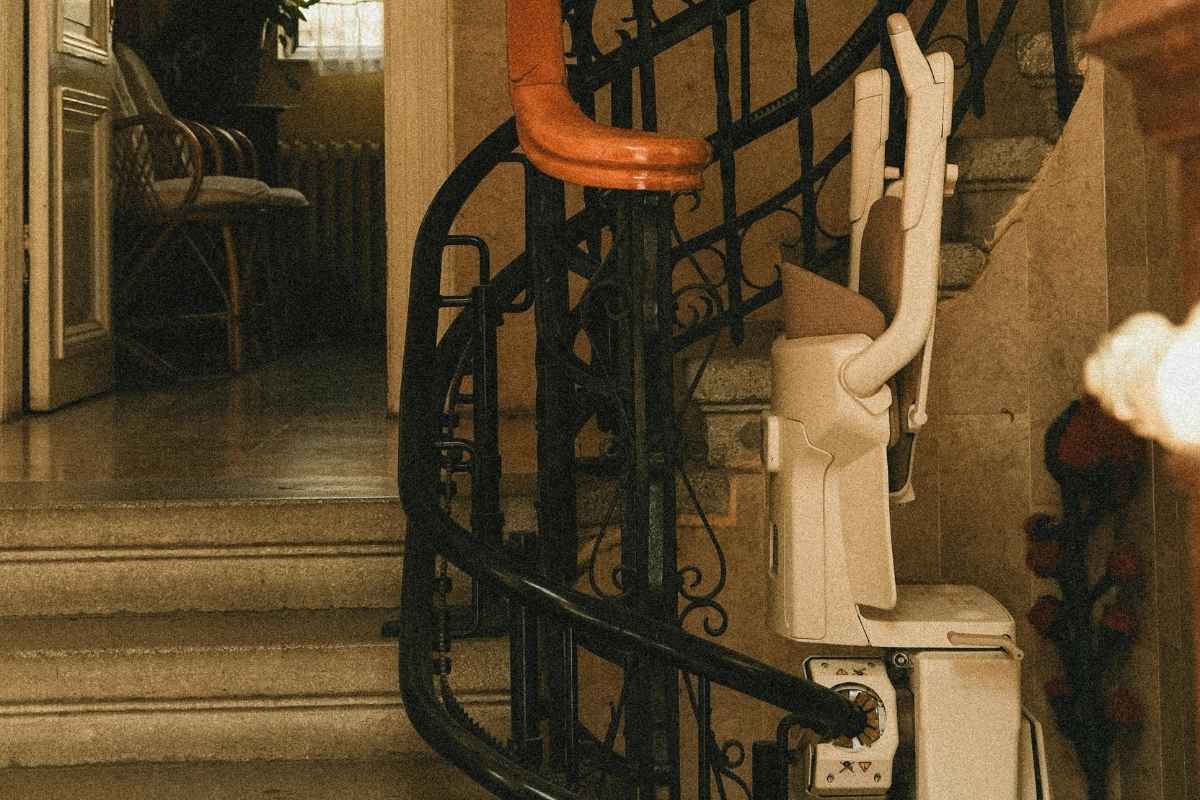
Does Medicare cover stair lifts? Older adults with mobility limitations may explore stair lifts to improve safety and independence at home (Image by Pexels)
2. Why Original Medicare Usually Does Not Pay For Stair Lifts
Medicare separates stair lifts from standard durable medical equipment categories.
Durable Medical Equipment under Medicare generally includes medically necessary items primarily used to treat or manage medical conditions, such as wheelchairs, walkers, hospital beds, oxygen equipment, or CPAP machines.
Stair lifts, however, are usually categorized as home modification or accessibility equipment. Since Medicare typically excludes most home modifications from coverage, stair lifts usually do not qualify for standard Medicare reimbursement.
Even when physicians recommend stair lifts to improve mobility or reduce fall risk, Original Medicare still rarely approves coverage for the purchase or installation costs.
3. Alternative Ways Seniors May Pay For Stair Lifts
Because Original Medicare generally does not pay for stair lifts, you should explore other programs or financing options that may help reduce costs.
Medicare Advantage And Supplemental Options
Although Original Medicare usually excludes stair lifts, several Medicare Advantage plans may offer expanded supplemental benefits related to home safety or mobility support.
Coverage varies between insurance providers and plan types. Some plans may provide allowances, wellness benefits, or reimbursement assistance tied to mobility-related needs.
Carefully reviewing Medicare Advantage plan details may help identify additional mobility-related support options not available through Original Medicare alone.
Beneficiaries should still review:
- Coverage limits
- Prior authorization requirements
- Approved vendors
- Possible out-of-pocket responsibilities
before purchasing stair lift equipment.
Medicaid, VA Benefits, And State Assistance Programs
Some Medicaid waiver programs, Veterans Affairs benefits, and state-level home modification assistance programs may help eligible individuals pay for stair lift equipment under certain circumstances.
Eligibility rules vary by state, income level, disability status, and military service history.
Veterans with qualifying service-connected disabilities may sometimes receive housing modification assistance through the U.S. Department of Veterans Affairs Housing Grants Program.
Certain Medicaid Home and Community-Based Services waiver programs may also help eligible seniors remain safely in their homes by supporting accessibility improvements or mobility-related equipment.
Financing And Payment Assistance For Stair Lift Equipment
Because stair lifts can cost several thousand dollars, depending on staircase type and installation complexity, consider financing plans or manufacturer payment programs.
Some stair lift providers may offer monthly installment plans, refurbished stair lifts, rental programs, warranty coverage, or installation discounts to help reduce upfront costs for families managing limited budgets.
Compare providers to review long-term maintenance costs, warranty terms, repair services, and installation fees before making a purchase decision.
3. What Seniors Should Know Before Buying A Stair Lift
Let’s see equipment types, pricing differences, safety considerations, and installation requirements to prevent costly purchasing mistakes later.
Types Of Home Stair Lifts And Stair Chair Lifts
Different stair lift models are designed for different staircase layouts and mobility needs.
Straight stair lifts are generally used for standard staircases without turns or landings, while curved stair lifts are customized for more complex staircase designs.
Some may also encounter outdoor stair lifts, standing stair lifts, or heavy-duty models designed for higher weight capacities.
The final cost often depends on factors such as staircase shape, rail customization, weight capacity, battery systems, and overall installation requirements.
Safety Features And Installation Considerations
Modern stair lifts often include multiple safety features designed to reduce the risk of falls and improve user stability.
Common stair lift safety features may include:
- Seat belts
- Swivel seating
- Obstacle sensors
- Battery backup systems
- Remote controls
- Foldable footrests
Professional installation is usually recommended to ensure the stair lift operates safely and meets manufacturer guidelines.
Questions To Ask Before Choosing A Stair Lift Provider
Before purchasing equipment, you should ask:
- Is installation included in the quoted price?
- What warranty coverage is available?
- Are maintenance services offered locally?
- Does the company offer rentals or refurbished models?
- How are future repairs handled?

Financial assistance programs may help seniors manage home mobility improvement costs (Image by Pexels)
4. Older Adults Can Rely On Another Program To Reduce Everyday Expenses
For seniors on a limited budget, applying for the federal **Lifeline program **can make a difference in their lives by reducing the cost of phone or internet service.
This program can benefit users, including seniors, by lowering monthly communication expenses.
The good news is that many older adults are currently participating in programs such as Medicaid, SSI, or SNAP, which means they become automatically eligible for Lifeline.
1. Check eligibility
Checking whether you qualify based on income level or participation in approved assistance programs.
2. Submit an online application
3. Complete verification if required
Some users may be asked to provide supporting documents such as proof of participation in programs.
4. Wait for approval and then enjoy your free services
Once approved, users can activate their service and begin using monthly talk, text, and data benefits.
5. FAQs
Will Medicare pay for home mobility equipment?
Medicare may cover certain medically necessary durable medical equipment, such as wheelchairs or walkers, but home modifications like stair lifts are usually excluded.
What is the average price of a stair lift?
The cost of a stair lift may vary widely depending on staircase type, customization, installation requirements, and equipment features. Many stair lifts cost several thousand dollars.
Are stair lifts considered durable medical equipment?
In most cases, Medicare does not classify stair lifts as covered durable medical equipment because they are considered attached home accessibility modifications.
Are stair lifts tax deductible?
Some medically necessary home modifications may qualify for tax deductions under certain circumstances. Individuals should consult a qualified tax professional regarding eligibility requirements.
Final Words
So, does Medicare cover stair lifts? As of now, Original Medicare generally does not cover stair chair lifts or home stair lift installations under standard Medicare Part B rules. However, you may still find financial assistance through Medicare Advantage plans, Medicaid waiver programs, Veterans Affairs benefits, financing programs, or other state assistance resources.
Explore alternatives that may help older adults choose safer mobility solutions while more effectively managing long-term home accessibility costs.