
On This Page
Eye care becomes increasingly important with age, especially as conditions like glaucoma, cataracts, diabetes-related vision problems, and general eyesight decline become more common over time.
At the same time, routine vision appointments, specialist visits, diagnostic testing, and prescription updates can create additional healthcare expenses that many Medicare beneficiaries do not fully expect beforehand. Because of that, understanding what Medicare actually covers for vision care has become an important part of healthcare planning for older adults.
The answer to does Medicare pay for eye exams depends largely on why the exam is being performed and whether the visit is considered medically necessary under Medicare guidelines.
1. Does Medicare Pay for Eye Exams Under Original Medicare?
Original Medicare generally does not handle routine vision care the same way many private vision insurance plans do.
Coverage is usually tied to medically necessary eye care rather than standard prescription updates or routine vision checks alone.
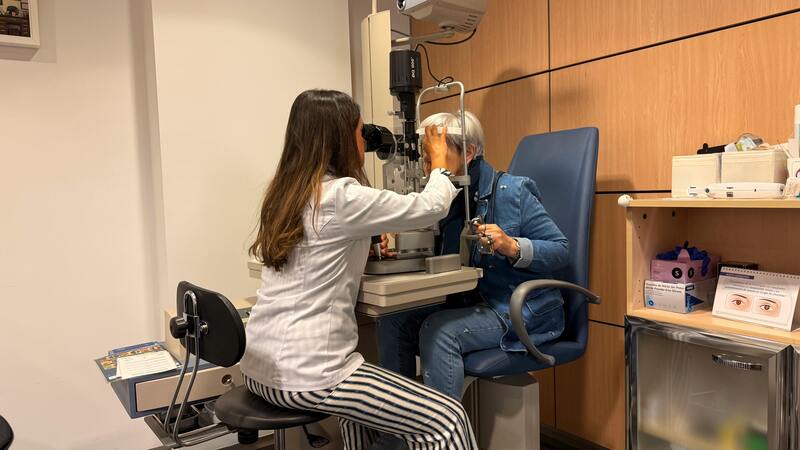
Some medically necessary eye exams may qualify for Medicare coverage. (Image by Pexels)
Medicare may help cover eye-related services connected to:
- Diabetes-related eye disease
- Glaucoma risk monitoring
- Cataract surgery follow-up care
- Certain medically necessary diagnostic evaluations
- Treatment related to qualifying eye conditions
Routine exams performed mainly to update eyeglass prescriptions are usually handled differently under Original Medicare coverage rules.
Understanding how does Medicare pay for eye exams applies to preventive screenings versus routine vision correction may help beneficiaries better estimate possible out-of-pocket costs before scheduling appointments.
For many older adults comparing long-term healthcare expenses, does Medicare pay for eye exams for seniors becomes especially important once ongoing monitoring or chronic vision conditions enter the picture.
2. Does Medicare Part B Pay for Eye Exams?
Yes, Medicare Part B may help cover certain eye exams when medical conditions or qualifying risk factors are involved.
In many situations, does Medicare part B pay for eye exams depends on whether the appointment is connected to preventive monitoring, disease management, or medically necessary treatment rather than standard routine vision correction.
Eye Exams Covered Under Part B
Depending on the patient’s condition and medical history, Medicare Part B may help cover:
- Annual glaucoma screenings for eligible high-risk patients
- Diabetic eye exams
- Certain cataract-related services
- Diagnostic eye testing
- Follow-up care related to approved treatment
According to the National Eye Institute, several age-related eye diseases become significantly more common among adults over age 60, including glaucoma, cataracts, and macular degeneration.
Because of that, preventive monitoring and medically necessary eye evaluations may still qualify even when routine vision benefits remain limited.
What Beneficiaries Still Pay?
Even when coverage applies, patients may still owe some out-of-pocket costs depending on the plan involved.
This may include:
- Deductibles
- Coinsurance
- Copays
- Eyewear-related expenses
- Additional specialist charges
Questions involving does Medicare pay for eye exams often become more complicated once beneficiaries realize that routine glasses, contact lenses, and standard vision correction may not receive the same coverage as medically necessary treatment.
Provider participation, supplemental insurance, and Medicare Advantage coverage may also affect final costs.
3. How Often Does Medicare Pay for Eye Exams?
Coverage frequency depends heavily on the medical condition involved and whether the service qualifies under Medicare rules.
For example:
- Certain diabetic eye exams may qualify annually
- Some glaucoma screenings may qualify every 12 months for eligible high-risk patients
- Cataract-related follow-up care may follow separate timelines
Because of that, how often does Medicare pay for eye exams can have different answers depending on diagnosis history, risk level, and provider recommendations.
Routine eye exams performed mainly for eyeglass prescription updates are not always covered the same way medically necessary diagnostic services may be covered.
Understanding how often does Medicare pay for eye exams applies to preventive care versus routine vision correction may help beneficiaries plan future healthcare expenses more accurately.
4. Managing Everyday Healthcare Costs Beyond Vision Coverage
Healthcare management today often involves much more than doctor visits and insurance paperwork alone.
Prescription reminders, patient portal access, telehealth appointments, healthcare notifications, and insurance communication are now commonly managed through connected devices. For seniors experiencing vision changes, display clarity, easier navigation, and comfortable screen sizing may become more important during everyday healthcare use.
Eligibility is generally based on participation in programs such as Medicaid, SNAP, or SSI, or on household income at or below 135% of the federal poverty guidelines.
- Entering a ZIP code to confirm availability
- Selecting a plan and device
- Submitting the required documents entirely online.
5. FAQs
Does Medicare Pay for Eye Exams and Glasses?
Medicare may help cover certain medically necessary eye exams, especially for qualifying medical conditions. However, routine glasses coverage is usually limited under Original Medicare except in specific situations involving certain cataract surgery-related eyewear.
How Many Eye Exams Per Year Does Medicare Cover?
Coverage frequency depends on the condition involved. Some glaucoma screenings and diabetic eye exams may qualify annually for eligible patients under Medicare guidelines.
What Part of the Eye Exam Is Not Covered by Medicare?
Routine vision exams related mainly to updating eyeglass or contact lens prescriptions are commonly not covered the same way medically necessary diagnostic eye services may be covered.
Final Thoughts
The answer to “does Medicare pay for eye exams” depends largely on whether the service is considered medically necessary under Medicare coverage guidelines.
While certain diabetic eye exams, glaucoma screenings, and treatment-related vision services may qualify for coverage, routine exams related only to glasses or standard prescription updates may still involve out-of-pocket costs.
Reviewing provider participation, coverage details, and preventive screening eligibility carefully can help beneficiaries better understand which eye care services may qualify and which expenses they may still need to prepare for independently.