
On This Page
Hearing aids can greatly improve daily communication. But their high cost often leads many seniors to ask does Medicare pay for hearing aids when reviewing their healthcare coverage. In reality, Original Medicare does not cover hearing aids or routine hearing exams, leaving most beneficiaries to pay out of pocket.
1. Does Medicare Pay for Hearing Aids?
Original Medicare (Part A and Part B) does not cover hearing aids or the exams needed to fit them, meaning beneficiaries are responsible for the full cost out of pocket. This is why many people ask how much does Medicare pay for hearing aids? The answer is typically zero under standard coverage.
However, Medicare Part B may pay for diagnostic hearing tests if a doctor orders them to evaluate or treat a specific medical issue. So, does medicare pay for hearing aids for seniors is a common concern. Coverage is limited to medically necessary testing rather than the devices themselves.
2. What Hearing-Related Services Medicare DOES Cover?
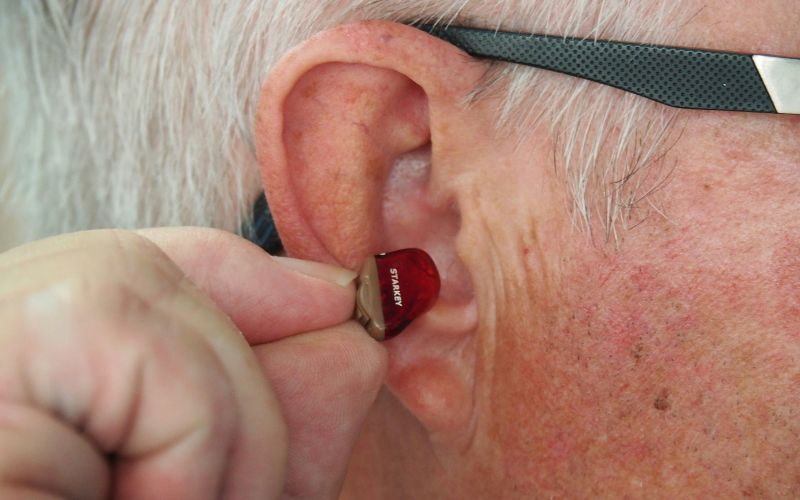
Some hearing-related services that Medicare covers. (Image by Unsplash)
Although Medicare does not pay for hearing aids, it still provides limited support for certain hearing-related services when they are medically necessary.
Find out more about hearing-related services that Medicare does cover will hel you see where coverage applies and where you may need additional assistance, especially if you are wondering does Medicare help pay for hearing aids.
Medicare Part B
Medicare Part B covers diagnostic hearing and balance exams, but only when a doctor or qualified healthcare provider orders them to evaluate a specific medical condition.
These tests are not routine hearing checkups. Instead, they must be tied to symptoms such as dizziness, hearing loss due to illness, or other medical concerns.
After meeting the Part B deductible, you typically pay 20% of the Medicare-approved amount for these services. However, this coverage stops at diagnosis and does not include hearing aids or fittings.
Medicare Part C
Medicare Advantage plans (Part C), offered by private insurance companies, may include additional hearing benefits beyond Original Medicare. Depending on the plan, this can involve routine hearing exams, allowances for hearing aids, or discounted device options through partner providers.
Coverage details vary widely, so it is important to review each plan carefully to understand limits, provider networks, and out-of-pocket costs before enrolling.
Use Medicaid for other Hearing Aids Benefits
If certain hearing services are not covered by Medicare, you may want to consider Medicaid as an additional or alternative source of support. Medicaid is a joint federal and state program designed for individuals with limited income, and it often provides broader hearing-related coverage than Medicare.
For beneficiaries under 21, Medicaid typically includes comprehensive services through EPSDT, such as hearing screenings, hearing aids, fittings, and even cochlear implants.
For adults, coverage varies by state, but many plans include diagnostic exams, and some states also cover hearing aids, repairs, and fitting services, making Medicaid a valuable option for more complete hearing care support.
3. What Other Support May Be Available to Medicaid Recipients?
Beyond healthcare coverage, Medicaid recipients may also qualify for additional support programs that help reduce everyday communication costs.
While Medicaid and Medicare serve different purposes, Medicaid focuses on low-income assistance and broader benefits, while Medicare is primarily age-based. Both groups can still explore Lifeline eligibility through income limits or participation in qualifying programs.
- Confirm that you qualify based on Medicaid participation or income level, and prepare basic documents such as proof of benefits or identification.
- Select a Lifeline plan and browse the available free phones or discounted tablets that come with the service.
- Fill in your personal details and upload any required documents.
- Review your information carefully, submit the application, and wait for confirmation.
Once approved, your device will be shipped with activation instructions.
4. FAQs About Medicare and Hearing Aids
Understanding does Medicare pay for hearing aids or Medicare coverage for hearing care can be confusing, especially when benefits seem limited or vary by plan. These frequently asked questions help clarify what you can expect and where to look for additional support.
What hearing tests are covered?
Medicare Part B covers diagnostic hearing and balance exams when a doctor orders them to evaluate a medical condition. These tests are not routine checkups and must be considered medically necessary. After meeting the deductible, you typically pay 20% of the approved cost.
Does Medicare qualify for Lifeline?
Medicare alone does not automatically qualify you for the Lifeline program. Instead, eligibility is commonly based on Medicaid participation or meeting specific income requirements. However, Medicare recipients can still qualify if they meet these alternative criteria.
Are hearing aids covered by Medicare in 2026?
Original Medicare still does not cover hearing aids or fittings in 2026, so beneficiaries must pay the full cost themselves. This is why many people continue asking does Medicare pay for hearing aids when planning their healthcare expenses. Some Medicare Advantage plans may offer limited benefits, but coverage depends on the provider and plan details.
5. Final Words
Understanding the limitations behind does Medicare pay for hearing aids helps you make smarter and more realistic healthcare decisions. Since Original Medicare does not cover hearing aids, exploring alternative support becomes essential to avoid high out-of-pocket costs.