

On This Page
Missing a medical appointment is frustrating enough. Missing one because there was no reliable ride available can become a much bigger problem, especially for seniors managing recurring treatments, specialist visits, or hospital follow-ups.
That is why many beneficiaries eventually ask does Medicare provide transportation for doctor appointments or other healthcare needs. The answer depends heavily on the type of transportation, the medical situation, and whether the service is considered medically necessary under Medicare rules.
1. Does Medicare Provide Transportation?
Yes, Medicare may cover certain types of transportation, but coverage is usually limited to medically necessary ambulance services rather than routine rides to appointments.
This is where many beneficiaries become confused. Medicare does not generally function like a regular transportation benefit program for everyday healthcare visits. Instead, coverage usually applies only when transportation is considered medically necessary for a patient’s condition.
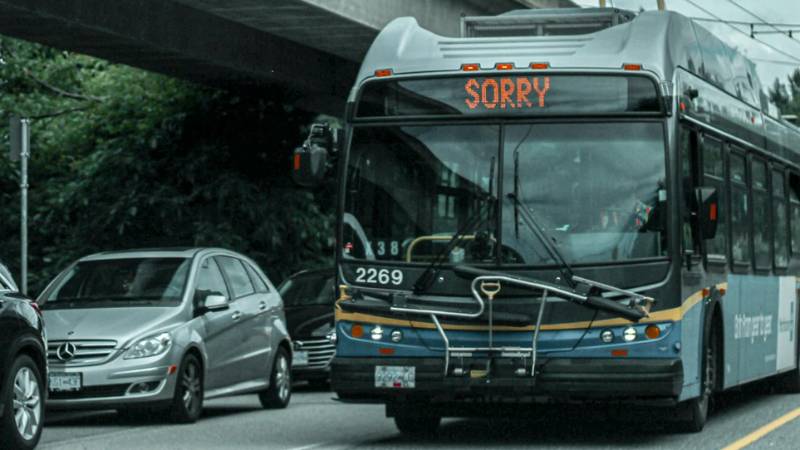
Medicare transportation coverage is usually limited to medically necessary ambulance services, while some Medicare Advantage plans may offer additional ride benefits for healthcare visits. (Image by Pexels)
For patients asking does Medicare provide transportation, Medicare may help cover:
- emergency ambulance transportation
- some medically necessary nonemergency ambulance services
- transportation between approved medical facilities in certain situations
However, Medicare usually does not pay for:
- routine rides to doctor appointments
- grocery or shopping transportation
- general personal transportation
- nonmedical errands
Some Medicare Advantage plans may offer additional transportation benefits beyond Original Medicare, but those rules vary by insurer and plan type.
2. What Transportation Medicare May Cover
Although Medicare transportation coverage is limited, certain medically necessary transportation services may still qualify for approval under Medicare Part B.
Emergency Ambulance Transportation
Emergency ambulance transportation is the most common type of transportation Medicare may cover.
Coverage may apply when:
- A patient faces a medical emergency
- Transportation by another vehicle could endanger health
- Immediate medical attention is necessary
Examples may include:
- serious injuries
- stroke symptoms
- breathing emergencies
- chest pain
- severe accidents
Medicare generally requires the ambulance service to be medically necessary rather than simply more convenient.
Medically Necessary Nonemergency Ambulance Services
In some situations, Medicare may also cover nonemergency ambulance transportation.
This usually happens when:
- The patient cannot safely travel by car or wheelchair van
- The medical condition requires specialized transportation
- A doctor documents medical necessity
Examples may include patients who are:
- bedridden
- receiving dialysis
- unable to sit upright safely
- dependent on medical monitoring during transport
Prior documentation and physician certification are often important for nonemergency ambulance approval.
Transportation Between Medical Facilities
Medicare may sometimes cover transportation between approved medical facilities when medically necessary care is unavailable at the current location.
This could include transfers:
- between hospitals
- from a nursing facility to a hospital
- to specialized treatment centers
- to facilities offering medically required services
Coverage usually depends on whether the transfer is considered medically necessary and appropriately documented.
3. What Transportation Medicare Usually Does Not Cover
Many transportation services seniors use in daily life are not typically covered under Original Medicare.
Rides to Routine Doctor Visits
Original Medicare generally does not cover routine transportation to regular medical appointments.
This includes rides to:
- primary care visits
- specialist appointments
- physical therapy sessions
- routine follow-up care
- standard outpatient treatment
Even when the appointment itself is covered by Medicare, transportation to the visit is usually the patient’s responsibility.
Nonmedical Personal Transportation
Medicare also does not usually pay for personal transportation unrelated to medically necessary ambulance services.
This may include:
- rides to family events
- social visits
- recreational activities
- personal travel
Transportation needs that are considered convenience-based rather than medically necessary are generally excluded.
Grocery or Daily Errand Transportation
Routine daily transportation services are also not covered by Original Medicare.
This commonly includes:
- grocery shopping rides
- pharmacy errands
- banking trips
- salon appointments
- personal errands
Some local programs, Medicaid services, or Medicare Advantage plans may offer limited assistance for these situations, but Original Medicare typically does not.
4. Medicare Advantage Plans and Transportation Benefits
Some Medicare Advantage plans offer transportation benefits that go beyond what Original Medicare typically covers.
These benefits are usually designed to help members attend medically related appointments when transportation barriers could interfere with care access.
Nonemergency Medical Transportation Benefits
Depending on the insurer and plan type, Medicare Advantage transportation benefits may help cover rides to:
- doctor appointments
- dialysis treatments
- physical therapy visits
- specialist care
- outpatient procedures
- pharmacy trips in some cases
Transportation may be arranged through:
- contracted ride providers
- shuttle programs
- rideshare partnerships
- medical transportation vendors
Coverage rules vary significantly between plans.
Ride Limits and Eligibility Rules
Transportation benefits under Medicare Advantage are rarely unlimited.
Plans may place restrictions on:
- the number of rides allowed per year
- approved appointment types
- mileage limits
- service areas
- advance scheduling requirements
Some plans may only offer transportation for patients managing chronic conditions or attending approved medical services.
Because of these differences, two Medicare Advantage plans in the same area may offer very different transportation benefits.
How to Check Your Plan Benefits
Before assuming transportation is covered, many seniors review:
- Evidence of Coverage documents
- Summary of Benefits information
- Transportation rider details
- Provider’s customer service information
Important questions often include:
- How many rides are included?
- Which appointments qualify?
- Is advance scheduling required?
- Are wheelchair-accessible rides available?
- Are family members allowed to ride along?
Checking these details early may help avoid missed appointments or unexpected transportation costs later.
5. Other Transportation Options Seniors Commonly Use
Because Original Medicare transportation coverage is limited, many seniors rely on additional programs or community resources for medical and daily transportation needs.
Medicaid Transportation Programs
Some Medicaid programs offer Non-Emergency Medical Transportation benefits for eligible members.
Depending on the state, transportation assistance may help cover rides to:
- doctor appointments
- dialysis visits
- therapy sessions
- pharmacies
- medical testing facilities
Eligibility and ride availability vary by state Medicaid program.
Local Senior Ride Services
Many cities and counties operate transportation programs specifically for older adults.
These services may include:
- low-cost shuttle rides
- volunteer driver programs
- scheduled senior transportation vans
- curb-to-curb assistance
Local aging agencies or senior centers often help coordinate these programs.
Nonprofit and Community Transportation Programs
Some nonprofit organizations and community groups also provide transportation support for seniors and people with disabilities.
Programs may offer:
- volunteer transportation
- church-sponsored rides
- medical appointment assistance
- community shuttle services
Availability often depends on local funding and volunteer participation.
Rideshare Programs for Medical Visits
Many seniors now use rideshare services for healthcare transportation.
Some hospitals, clinics, and Medicare Advantage plans partner with:
- Uber Health
- Lyft Healthcare
- local transportation coordinators
to arrange rides for eligible patients attending medical appointments.
Rideshare transportation may provide a more flexible option for seniors who do not drive but do not require ambulance-level transportation.
6. Tips for Staying Connected to Arrange Transportation and Medical Care
Transportation problems often create more than just missed rides. They can also lead to delayed treatment, rescheduled appointments, or communication gaps between patients, clinics, and transportation providers.
For seniors attending recurring medical visits, staying reachable becomes an important part of keeping care organized.
Many patients depend on reliable phone access to:
- Confirm pickup windows
- Receive transportation updates
- Contact clinics about delays
- Coordinate with caregivers or family members
- Manage appointment changes
- Stay updated during ongoing treatment plans
Some Medicare beneficiaries who also qualify through Medicaid or other assistance programs may be eligible for the federal Lifeline program, which helps lower monthly phone service costs for qualifying households.

- Select smartphones from brands such as Apple and Samsung
- Monthly talk, text, and data service
- Bring Your Own Device support for compatible phones
- Nationwide coverage for ongoing connectivity
For seniors coordinating transportation, medical appointments, and follow-up care throughout the year, dependable phone access can help reduce missed calls, scheduling confusion, and transportation-related delays.
FAQs
Does Humana Medicare provide transportation?
Some Humana Medicare Advantage plans may offer transportation benefits for eligible medical appointments. Coverage varies by location and plan type, so members usually check their specific plan details directly with Humana.
Does Medicare provide transportation to doctor appointments?
Original Medicare generally does not cover routine rides to doctor appointments. However, some Medicare Advantage plans may include limited transportation benefits for medical visits.
Does Medicare provide transportation to medical appointments?
Medicare may cover medically necessary ambulance transportation in certain situations, but regular transportation to standard appointments is usually not covered under Original Medicare.
Does Medicare provide transportation for seniors?
Original Medicare transportation coverage is limited mainly to medically necessary ambulance services. Seniors often rely on Medicare Advantage plans, Medicaid programs, local senior transportation services, or community ride programs for additional transportation support.
Conclusion
While the question does Medicare provide transportation sounds simple, the actual coverage rules are much more limited than many seniors expect.
Original Medicare mainly covers medically necessary ambulance transportation rather than routine rides to appointments, but some Medicare Advantage plans, Medicaid programs, and community transportation services may offer additional support for eligible patients managing ongoing healthcare needs.