
On This Page
If you’re asking, does my phone support eSIM, the answer depends on more than just the brand name printed on your device. eSIM capability is determined by the exact model variant, internal hardware configuration, carrier approval, and sometimes even the country where the phone was purchased. Some devices include built-in eSIM features but may have regional restrictions or require the phone to be unlocked before activation.
1. Does My Phone Support eSIM? How to Check Directly on Phone
If you’re still wondering, does my phone support eSIM or walk across signals like “eSIM network not available”, you don’t need to rely on guesswork. Most smartphones clearly indicate eSIM capability within the settings menu or device information screen. A quick check on your phone can confirm whether digital SIM activation is available.
Universal Check Using *#06#
Start by opening your phone’s dialer and entering *#06#. The screen will display your IMEI details, and if you also see an EID number, that means your device includes eSIM hardware. No EID typically indicates the phone only supports a physical SIM.
On iPhone
iPhone users can go to Settings > Cellular (or Mobile Data) and look for the “Add eSIM” or “Add Cellular Plan” option. If that option appears, the phone supports eSIM activation.
Another reliable method is navigating to Settings > General > About and scrolling to find the EID field. The presence of an EID confirms embedded SIM capability.
On Android (Samsung, Pixel, and Others)
Android users should open Settings and go to Network & Internet or Connections, depending on the manufacturer. Then select SIMs or SIM Manager and check for options like “Add eSIM,” “Download a SIM,” or “Add mobile plan.”
2. Use Tool Carrier to Check eSIM Compatibility
One of the fastest ways to confirm support is by using an official eSIM compatibility tool provided by your carrier. These tools typically require your device’s IMEI number and verify whether your exact model is approved for activation on that specific network.
Keep in mind that compatibility is carrier-specific. A phone may support eSIM in general, but still be restricted on certain networks due to provisioning policies or regional variants.
3. Why Your Phone Might Not Support eSIM
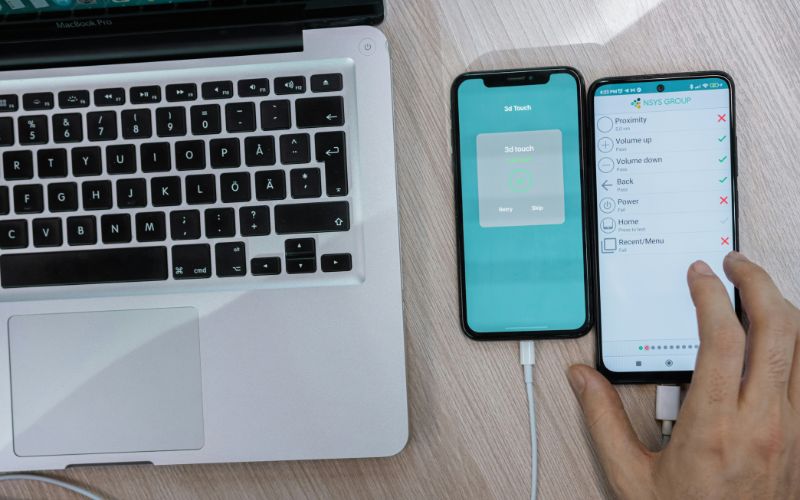
Does my phone support eSIM? Some main reasons why your phone may not support eSIM. (Image by Unsplash)
If you’ve been asking, does my phone support eSIM, the answer may depend on several technical and regional factors. Even devices that seem modern can lack eSIM capability due to hardware, firmware, or carrier limitations.
- Older Device: Smartphones released before widespread eSIM adoption may not include the required embedded SIM chip. Many models prior to 2018 simply do not have the hardware needed for digital activation.
- Carrier-Locked Firmware: Some phones are locked to specific carriers, and the firmware may disable eSIM functionality. Even if the hardware exists, the carrier’s software restrictions can block activation with other networks.
- Budget Model Without eSIM Hardware: Certain entry-level or lower-tier devices omit eSIM components to reduce manufacturing costs. In these cases, no software update can add eSIM capability because the physical chip is missing.
- Software Not Updated: Outdated operating systems can hide or disable eSIM settings. Installing the latest software version may restore access to the “Add eSIM” option if the hardware supports it.
- International Version Differences: The same phone model may vary by region. Some international variants include eSIM support, while others, particularly specific country versions, may not, depending on regulatory or carrier requirements.
4. FAQs About eSIM Support
Understanding eSIM support can be confusing because hardware, software, and carrier policies all play a role. Below are clear and accurate answers to common questions about device compatibility and functionality.
Does unlocked mean eSIM-compatible?
No, an unlocked phone is not automatically eSIM-compatible. “Unlocked” simply means the device is not restricted to a specific carrier’s network. eSIM compatibility depends on whether the phone includes built-in eSIM hardware and whether the carrier supports digital SIM activation for that specific model.
Can a software update add eSIM?
In most cases, no. If a phone does not have the physical eSIM chip built into the motherboard, a software update cannot add that capability. However, if the device already includes eSIM hardware, updating the operating system may enable the feature or fix activation-related issues.
Can I use eSIM and a physical SIM together?
Yes, many modern smartphones support Dual SIM functionality using one eSIM and one physical nano-SIM. This allows users to keep two phone numbers active on the same device, such as one for work and one for personal use. The exact functionality may vary depending on the device model and carrier support.
5. Final Words
If you’re still asking, does my phone support eSIM? It’s worth taking a moment to confirm compatibility before starting activation. eSIM support depends on your exact device model, carrier approval, and current software version, not just the brand name printed on the phone.
Checking these details in advance can help you avoid activation errors or unexpected service interruptions.